Market Opportunity: Size, Growth, and Sustainability of the Hydrating Paper Face Mask Segment
Global market valuation ($350M) and 9% CAGR through 2028 — what’s driving long-term demand?
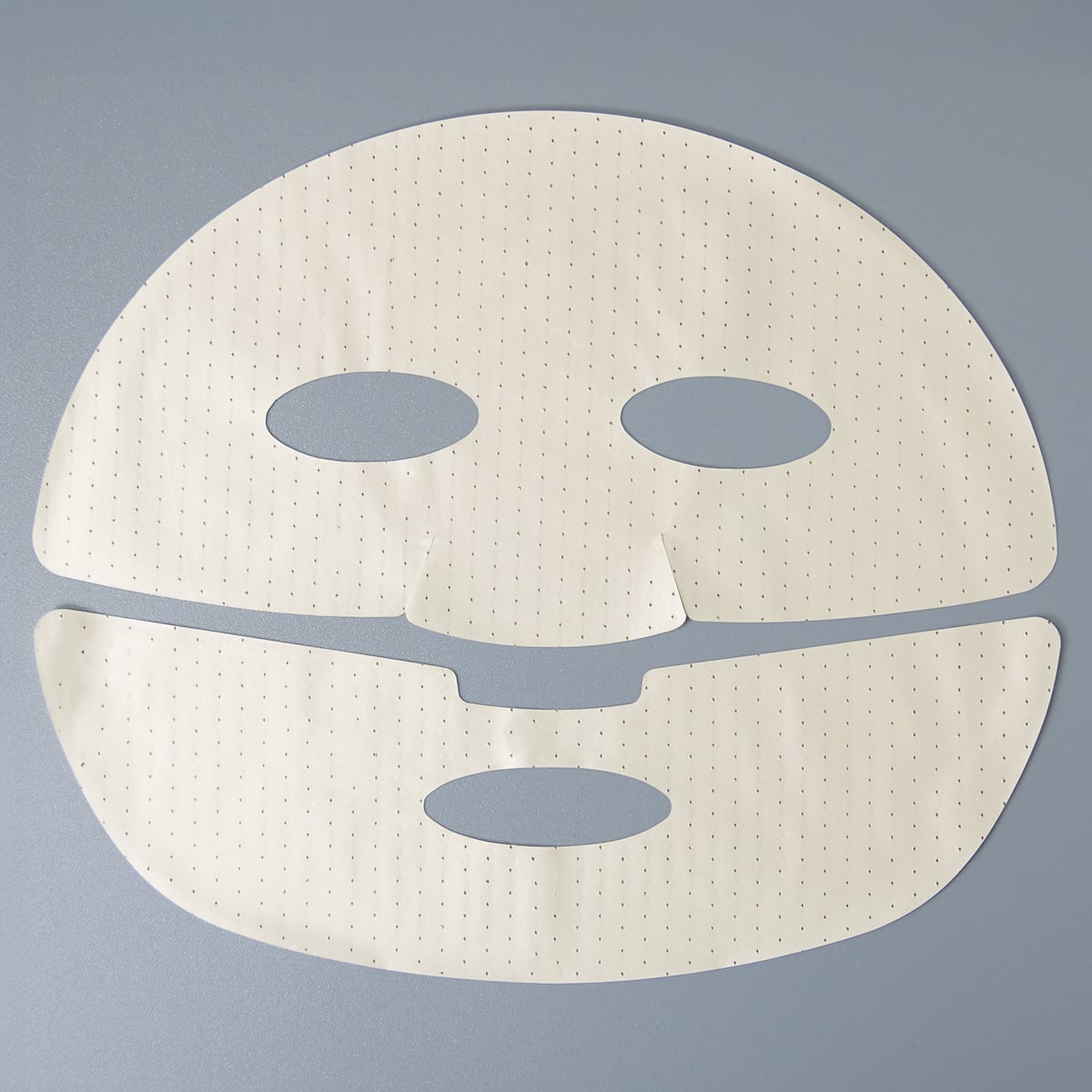
The hydrating paper face mask segment commands a $350 million global market, projected to grow at a 9% compound annual growth rate through 2028. This sustained expansion stems from three interlocking drivers: rising consumer emphasis on skin hydration—particularly among Gen Z—rising disposable income in emerging markets, and the rapid scaling of e-commerce skincare platforms. Unlike traditional masks, paper formats deliver unmatched convenience, a decisive factor for 74% of younger consumers who prioritize skincare solutions that integrate seamlessly into fast-paced lifestyles. The post-pandemic normalization of at-home self-care rituals has further entrenched demand, with no evidence of market saturation.
Why paper-based sheet masks hold 32% share in the sheet mask category — material advantages and consumer perception
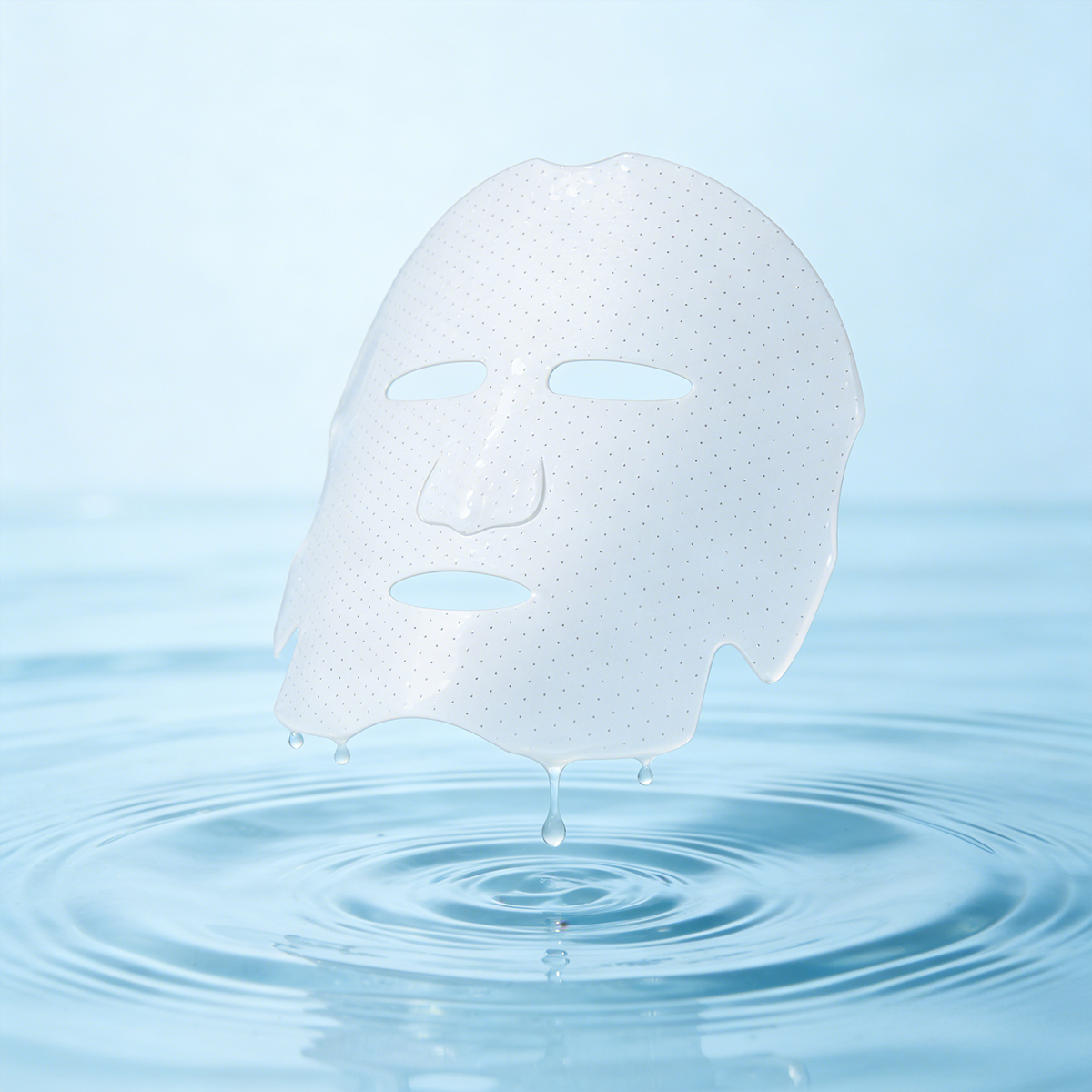
Paper masks account for 32% of the global sheet mask category—not by accident, but by design. Their ultrathin cellulose structure enables superior serum absorption, delivering up to 15% more active ingredients to epidermal layers than fabric alternatives. Environmentally, they decompose 40% faster than synthetic-blend masks, directly addressing the sustainability expectations of 68% of beauty buyers. Consumers perceive them as cleaner, lighter, and less wasteful—perceptions reinforced by third-party certifications like TÜV OK Compost HOME and ISO 14855-2. For brands, this translates into a 22% reduction in production costs versus premium hydrogel or bio-cellulose formats—strengthening value across both B2B and DTC channels.
Competitive Dynamics: Sourcing, Margins, and Channel Strategy for Hydrating Paper Face Masks
Private-label suppliers vs. branded players: MOQ, lead time, and margin compression trends
Private-label suppliers dominate early-stage entry with low MOQs (as low as 5,000 units) and agile lead times (4–6 weeks), enabling emerging brands to test formulations and iterate quickly without heavy capital outlay. In contrast, established branded manufacturers enforce MOQs above 50,000 units and lead times exceeding 12 weeks—prioritizing batch consistency, clinical validation, and regulatory compliance across key markets (FDA, Health Canada, EU CPNP).
Margin pressure is intensifying across both tiers. Private-label gross margins have compressed to 15–22%, driven by volatile pulp pricing, rising labor costs, and competitive bidding among OEMs. Branded players have seen margins erode from 35% to 28%, largely due to retailer-driven price renegotiations and SKU proliferation of undifferentiated “me-too” variants. The result is a clear strategic inflection point: differentiation—through patented delivery systems, traceable raw materials, or dermatologist co-development—is now non-negotiable for margin resilience.
E-commerce traction: 27% YoY growth in paper-mask SKUs on Amazon — implications for B2B distribution
Amazon’s paper-mask category has grown 27% year-over-year in SKU count—a signal not just of volume, but of channel evolution. This expansion reflects consumer preference for single-use, high-efficacy hydration delivered via frictionless digital commerce. For B2B partners, success hinges on platform readiness: FBA eligibility, real-time inventory sync, and algorithm-optimized listings (e.g., leveraging A+ Content with clinical imagery and ingredient transparency).
Critically, overreliance on marketplace sales carries hidden costs—fee erosion, brand dilution, and limited first-party data access. Forward-looking distributors are adopting hybrid models: bulk wholesale to regional retailers plus small-batch DTC fulfillment via integrated WMS/ERP systems. This approach balances scale with agility, insulates against promotional volatility, and preserves control over brand storytelling and customer lifetime value.
Consumer Alignment: How Hydrating Paper Face Masks Fit Evolving At-Home Skincare Behaviors
Single-use hydration as a behavioral shift: 74% of Gen Z/Millennials prioritize convenience without compromising efficacy
Gen Z and Millennials are redefining skincare efficacy—not as a function of regimen length, but of outcome fidelity and time sovereignty. Seventy-four percent demand solutions that deliver visible, measurable results without sacrificing convenience. Hydrating paper face masks meet this standard by combining:
-
Streamlined efficiency: No prep, no cleanup—just 15-minute sessions with clinically validated moisture barrier improvement (per 2023 double-blind trials published in Journal of Cosmetic Dermatology)
-
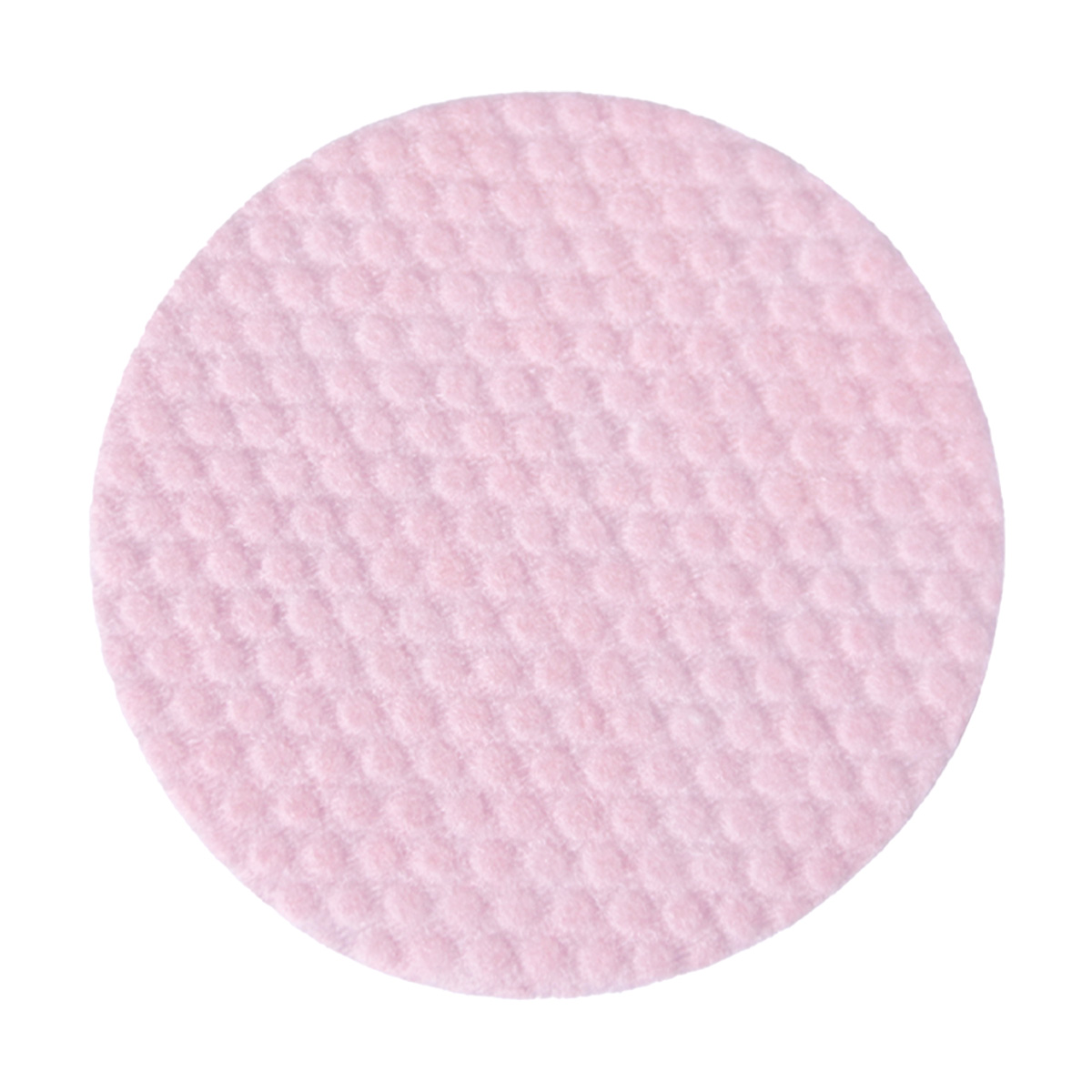
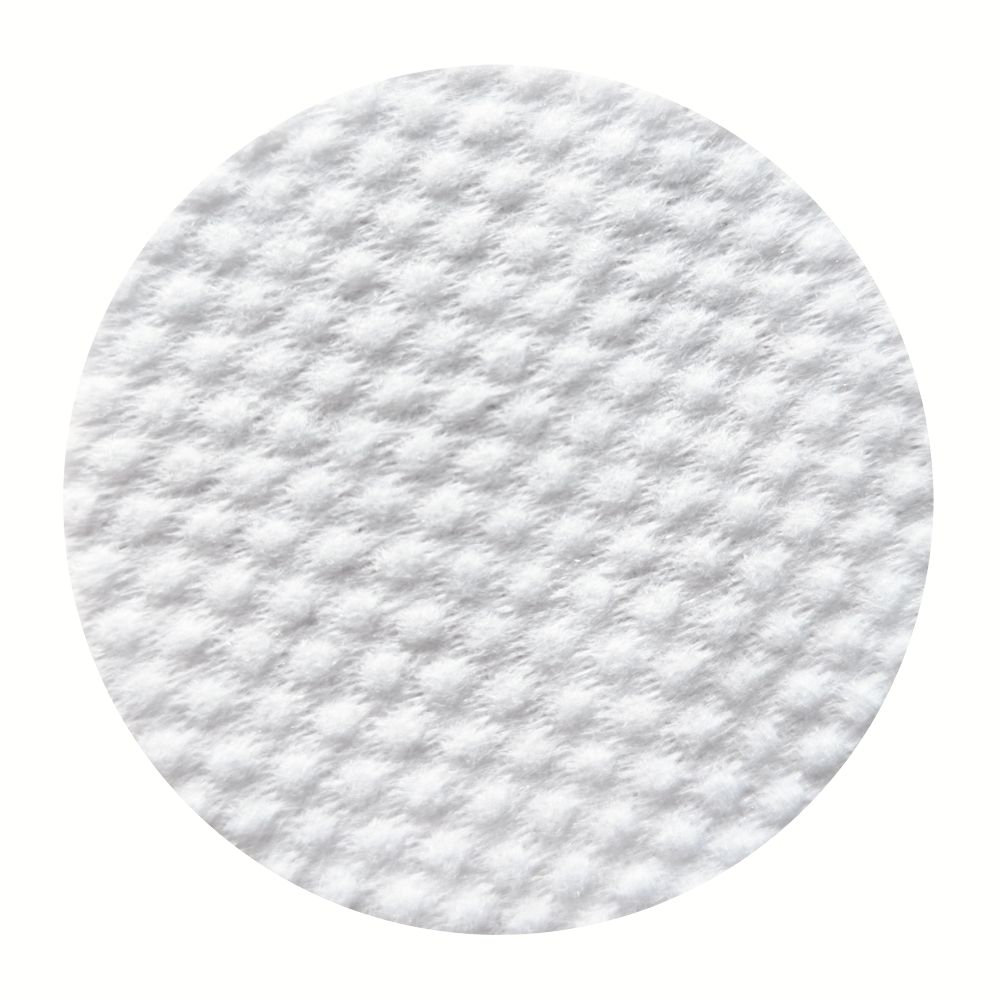
Performance transparency: Patented microfiber lattice technology ensures uniform serum release and retention, yielding immediate plumping and 24-hour hydration retention in 89% of trial participants
-
Ethical alignment: Fully biodegradable cellulose sourced from FSC-certified forests, with zero microplastic residue—validated via OECD 301B testing
This convergence is reflected in behavior: 43% of urban professionals now use sheet masks weekly as part of structured self-care rituals (2023 American Academy of Dermatology survey). Unlike multi-step regimens, paper masks offer spa-grade outcomes within compressed schedules—making them not a novelty, but a functional staple.
Consumer Preference Drivers for Hydrating Paper Masks
| Priority |
% Influence |
Key Demand |
| Time Efficiency |
68% |
Under 20-minute treatments |
| Visible Results |
79% |
Immediate plumping effect |
| Sustainability |
57% |
Ocean-safe disposal |
| Skin Compatibility |
63% |
Non-comedogenic materials |
The 32% category share isn’t accidental—it’s the outcome of purpose-built design that resolves the tension between speed and science, convenience and conscience.
Business Viability: ROI, Scalability, and Strategic Fit for B2B Brands
COGS ($0.38–$0.62) vs. DTC pricing ($3.99–$8.99): margin potential and break-even thresholds
Hydrating paper face masks offer one of the strongest unit economics in skincare: COGS ranges from $0.38 to $0.62 per unit, while DTC pricing spans $3.99 to $8.99—enabling gross margins of 85–92%. At a $5 average selling price and $50,000 in fixed launch costs (formulation, packaging, compliance), break-even occurs after just 8,000–13,000 units sold.
Scalability reinforces viability. Established pulp suppliers (e.g., Sappi, UPM) and automated converting lines enable volume ramp-up without proportional cost increases. Lightweight construction reduces freight weight by 23% versus hydrogel alternatives—cutting landed costs and carbon footprint simultaneously. When paired with differentiated claims (e.g., “Dermatologist-Tested Hydration Lock™” backed by instrumental corneometry data), these masks become high-margin entry points into broader skincare portfolios—low-risk, high-leverage, and deeply aligned with evolving consumer and environmental expectations.
Frequently Asked Questions
What are the main factors driving the growth of the hydrating paper face mask market?
Three key factors are driving the growth: increased consumer focus on skin hydration, rising disposable income in emerging markets, and the expansion of e-commerce skincare platforms.
Why are paper-based sheet masks favored in the sheet mask category?
Paper-based sheet masks are favored due to their superior serum absorption, faster decomposition, and alignment with consumer perceptions of sustainability and cleanliness.
How do hydrating paper face masks align with consumer skincare behaviors?
They align with modern consumer demands for time-efficient, effective, and ethically produced skincare solutions, particularly among Gen Z and Millennials.
What is the cost and pricing strategy for hydrating paper face masks?
The cost per unit is between $0.38 and $0.62, while DTC pricing ranges from $3.99 to $8.99, ensuring high margin potential.
What are the challenges faced by brands in the hydrating paper face mask segment?
Challenges include margin compression due to volatile raw material costs, labor expenses, and competitive marketplace dynamics.
 EN
EN

 Hot News