Selecting the right makeup remover pads for your beauty business is a critical decision that directly impacts customer satisfaction, brand reputation, and operational costs. Whether you operate a salon, spa, cosmetics counter, or e-commerce platform, the quality and performance of your makeup remover pads influence how clients perceive your professionalism and care standards. Many business owners overlook this seemingly simple product category, yet the choice of makeup remover pads can differentiate your brand in a competitive market. This guide provides a comprehensive framework for evaluating makeup remover pads to ensure you select options that align with your business values, customer expectations, and financial parameters.
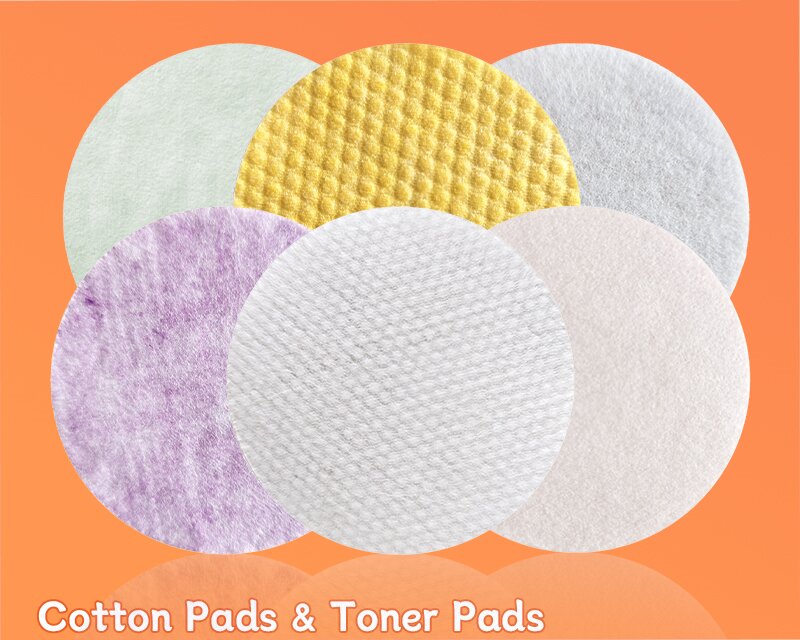
When evaluating makeup remover pads for your business, you need to consider multiple dimensions: material composition, absorbency, durability, packaging quality, supplier reliability, and cost structure. The right makeup remover pads should perform effectively across different skin types, remove makeup efficiently without irritation, and reflect the premium positioning of your brand. This comprehensive assessment helps you avoid costly mistakes and build customer loyalty through consistent product excellence.
Understanding Core Quality Metrics for Makeup Remover Pads
Material Composition and Fiber Structure
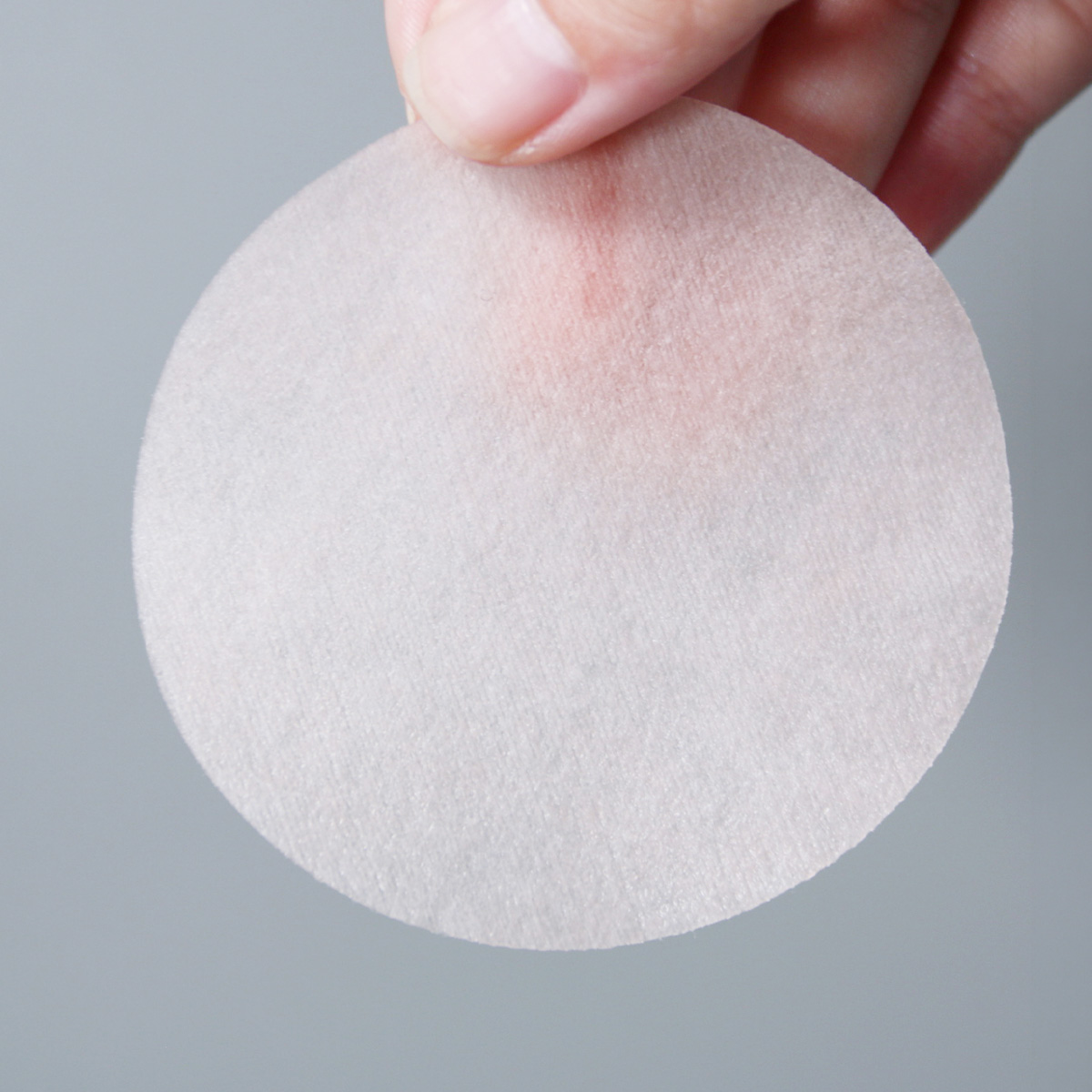
The foundation of quality makeup remover pads lies in their material construction. Premium makeup remover pads typically use multi-layered cotton blends, microfiber compositions, or specialized non-woven fabrics that balance softness with durability. Cotton-based makeup remover pads offer natural absorbency and skin compatibility, making them ideal for businesses targeting health-conscious consumers. The fiber density of your chosen makeup remover pads determines how effectively they hold liquids without dripping and how long they maintain structural integrity through repeated use. High-quality makeup remover pads feature reinforced edges that prevent fraying after washing, a critical factor if your customers plan to reuse them. Evaluating the weight per square inch and thread count of makeup remover pads helps you understand their durability expectations and long-term value.
Absorbency and Performance Benchmarks
When selecting makeup remover pads, absorbency testing reveals real-world performance capabilities. Superior makeup remover pads should absorb makeup remover solutions without becoming oversaturated, allowing users to control application and minimize waste. The thickness of makeup remover pads directly correlates with absorbency; thicker pads typically absorb more liquid while maintaining structural integrity during use. Testing makeup remover pads with various cosmetic products—foundation, waterproof mascara, long-wear lipstick—provides insights into their effectiveness across your customer base. Pads that hold too much liquid become heavy and uncomfortable, while those with insufficient absorbency require multiple applications to achieve complete makeup removal. This performance balance separates average makeup remover pads from premium options that justify higher price points.
Assessing Business-Specific Requirements and Customer Fit
Alignment With Your Brand Positioning
Your choice of makeup remover pads communicates implicit messages about your business quality to customers. Luxury beauty brands require premium makeup remover pads with superior texture, consistent sizing, and elegant packaging. Professional-grade makeup remover pads used in spas or salons should feel luxurious during application and demonstrate measurable superiority over drugstore alternatives. Budget-conscious retailers need makeup remover pads that maintain acceptable quality standards while supporting competitive pricing. The aesthetic presentation of makeup remover pads in packaging, color consistency, and uniformity either reinforces or undermines your brand narrative. When customers use premium makeup remover pads in your salon or receive them with their product purchase, that touchpoint either strengthens brand affinity or reveals quality compromises. Selecting makeup remover pads requires honest assessment of how these products fit your brand identity and customer expectations.
Scalability and Supply Chain Considerations
Growing businesses must evaluate whether their chosen makeup remover pads supplier can reliably scale production as demand increases. Inconsistent quality in makeup remover pads across production batches damages customer trust and strains operations. Reliable suppliers of makeup remover pads maintain detailed quality control protocols, provide consistent specifications, and communicate transparently about production timelines. Minimum order quantities for makeup remover pads should align with your storage capacity and cash flow management. Businesses planning rapid expansion need suppliers who can accommodate volume increases for makeup remover pads without compromising quality or delivery reliability. Building relationships with multiple suppliers of makeup remover pads protects your business against supply disruptions. The administrative simplicity of ordering and tracking makeup remover pads matters operationally; suppliers offering comprehensive tracking, flexible reordering, and responsive customer service reduce business friction.
Financial Analysis and Value Optimization
Total Cost of Ownership for Makeup Remover Pads
Calculating true costs requires looking beyond unit price for makeup remover pads to encompass total value. The cheapest makeup remover pads often require higher quantities to achieve comparable performance, increasing storage costs and capital requirements. Premium makeup remover pads with superior durability may provide better customer satisfaction and reduce return rates or complaints. Shipping costs per unit influence final pricing for makeup remover pads, making bulk ordering decisions critical. Waste rates during handling, application, and customer use vary by product quality; inferior makeup remover pads generate more waste through breakage or dissatisfaction. By comparing cost per application rather than cost per unit, you gain clarity on true economics of different makeup remover pads options. This analysis often reveals that mid-to-premium tier makeup remover pads deliver superior value despite higher initial unit costs.
Customization and Private Labeling Options
Differentiation through customized makeup remover pads creates competitive advantages for established beauty businesses. Private-label makeup remover pads with your brand name, custom sizing, or unique packaging reinforce professional positioning. Suppliers offering makeup remover pads customization typically require minimum volumes but provide pricing benefits that justify ordering larger quantities. Custom makeup remover pads packaging becomes a marketing tool, creating memorable unboxing experiences and encouraging social sharing. Evaluating whether your supplier provides makeup remover pads customization at competitive pricing helps you assess long-term strategic value. Many growing beauty businesses initially purchase standard makeup remover pads, then transition to private-label options as customer loyalty strengthens.
Implementation Framework and Selection Process
Creating Your Evaluation Checklist
Establish a structured approach to comparing makeup remover pads by creating a weighted scoring system that reflects your business priorities. Assign importance percentages to performance metrics, brand alignment, cost, supplier reliability, and scalability factors for your makeup remover pads decision. Request sample quantities of candidate makeup remover pads to conduct practical testing with real customers or staff before committing to large orders. Document specific feedback about how your makeup remover pads samples compare to competitors on softness, absorbency, color fastness, and overall user experience. This evidence-based approach to selecting makeup remover pads reduces subjective decision-making and builds confidence in your choice.
Testing and Validation Protocols
Rigorous testing of makeup remover pads before full-scale implementation protects your business investment. Conduct wash-and-wear tests to verify that your selected makeup remover pads maintain quality after multiple cleaning cycles if customers plan to reuse them. Test makeup remover pads with the specific product formulations you recommend—micellar water, cleansing oil, makeup remover balm—to ensure optimal compatibility. Involve diverse customer segments in testing makeup remover pads samples to identify any issues with different skin types or preferences. Collect written feedback documenting customer reactions to your makeup remover pads before you finalize supplier agreements. This validation phase prevents costly supply commitments to makeup remover pads that underperform in real-world conditions.
FAQ
What makes premium makeup remover pads different from budget alternatives?
Premium makeup remover pads feature higher-grade materials, superior absorbency, reinforced construction, and consistent quality across production batches. Budget makeup remover pads often use lower-density materials that deteriorate quickly, absorb unevenly, and fray at edges. The difference becomes apparent during use—premium makeup remover pads maintain structural integrity, feel softer against skin, and require fewer applications for complete makeup removal. For beauty businesses, this quality gap directly impacts customer satisfaction and brand perception, making premium makeup remover pads a worthwhile investment despite higher unit costs.
How should I determine the right size and thickness for makeup remover pads?
The ideal size and thickness of makeup remover pads depend on your intended use and customer preferences. Larger makeup remover pads (typically 3-4 inches) work well for full-face makeup removal in professional settings, while smaller makeup remover pads suit targeted touch-ups or eye makeup removal. Thickness should balance absorbency with comfort—pads that are too thick feel heavy and wasteful, while thin makeup remover pads lack durability. Testing your target customer demographic with different makeup remover pads sizes and thicknesses reveals preferences before you commit to a specific product specification.
What supply chain factors should I prioritize when evaluating makeup remover pad suppliers?
Prioritize suppliers who demonstrate consistent quality, transparent communication, reasonable lead times, and flexibility with order volumes for makeup remover pads. Verify that your makeup remover pads supplier maintains certifications for material safety and quality standards relevant to cosmetic products. Request references from other beauty businesses using makeup remover pads from the same supplier to validate reliability. Confirm that your supplier can provide documentation of makeup remover pads testing, material sourcing, and production processes for compliance purposes. Building long-term relationships with dependable suppliers of makeup remover pads reduces operational complexity as your business grows.

 EN
 Hot News