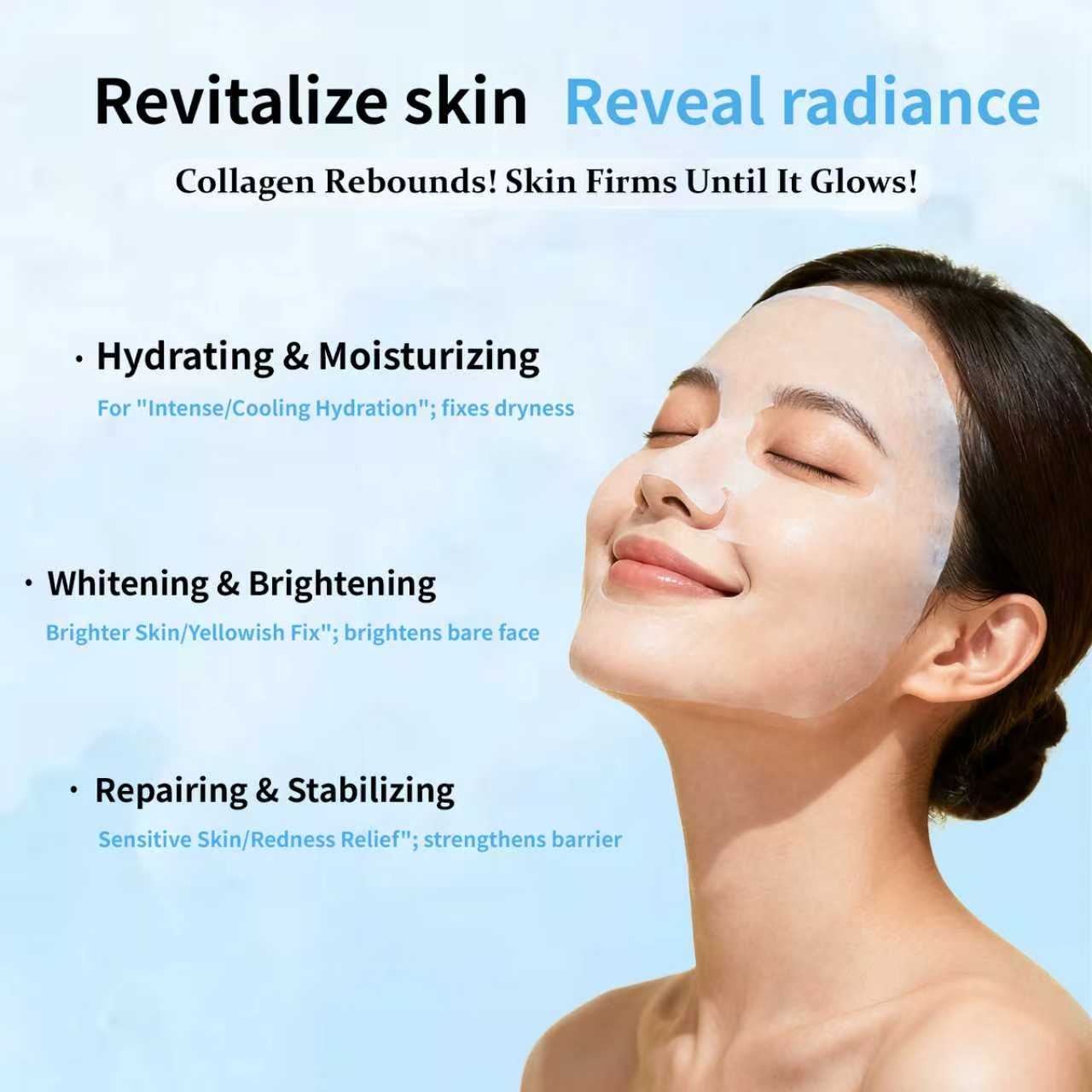
Selecting the right fabric for face mask production is one of the most critical decisions in skincare and protective product development. Whether you are sourcing materials for sheet masks, medical-grade masks, or daily wellness masks, the fabric directly determines how well the product performs. The wrong material can compromise comfort, reduce ingredient delivery, or even irritate sensitive skin. Understanding what makes a fabric for face mask truly effective helps buyers, formulators, and brand developers make smarter, more confident sourcing choices.
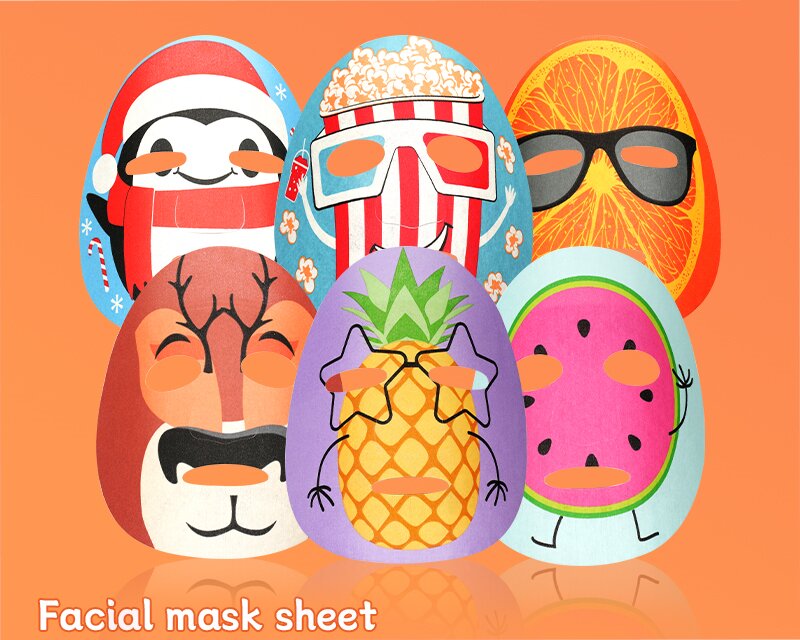
The global demand for high-quality fabric for face mask applications has grown significantly across both the cosmetic and personal protective equipment sectors. Brands are now under pressure to differentiate their products not just by formula, but by the tactile and functional quality of the substrate itself. A well-chosen fabric for face mask can enhance essence absorption, improve skin adhesion, and deliver a premium consumer experience that builds brand loyalty over time.
Softness, Skin Compatibility, and Comfort
Why Skin Feel Matters in Fabric Selection
When evaluating any fabric for face mask use, softness is typically the first criterion consumers notice. A fabric for face mask that feels rough, stiff, or scratchy on the skin will immediately undermine user satisfaction, regardless of how well-formulated the serum or essence is. For sheet mask applications, the fabric must conform naturally to facial contours, sit flat against the skin without sliding, and feel pleasant during the 15 to 20 minutes of typical wear. The tactile experience is inseparable from the perceived effectiveness of the product.
Skin compatibility goes beyond softness alone. A fabric for face mask must be hypoallergenic, free from harsh chemical finishes, and suitable for extended contact with facial skin. Materials that contain fluorescent brightening agents or formaldehyde-based treatments are unsuitable, especially for sensitive skin demographics. Certifications such as OEKO-TEX Standard 100 are strong indicators that a fabric for face mask has been tested and verified safe for direct skin contact. Sourcing teams should always request documentation when evaluating new suppliers.
Fabric Weight and Fit Against the Face
The weight and thickness of a fabric for face mask influence how well it adheres to the skin during use. Fabrics that are too heavy can feel burdensome, while overly thin materials may dry out too quickly or fail to hold sufficient essence. A balanced fabric for face mask should be lightweight enough to feel comfortable yet substantial enough to retain serum throughout the wearing period. This balance is particularly important in warm or humid climates where heavier fabrics may cause discomfort.
Absorption Capacity and Essence Retention
How Fabric Structure Affects Liquid Uptake
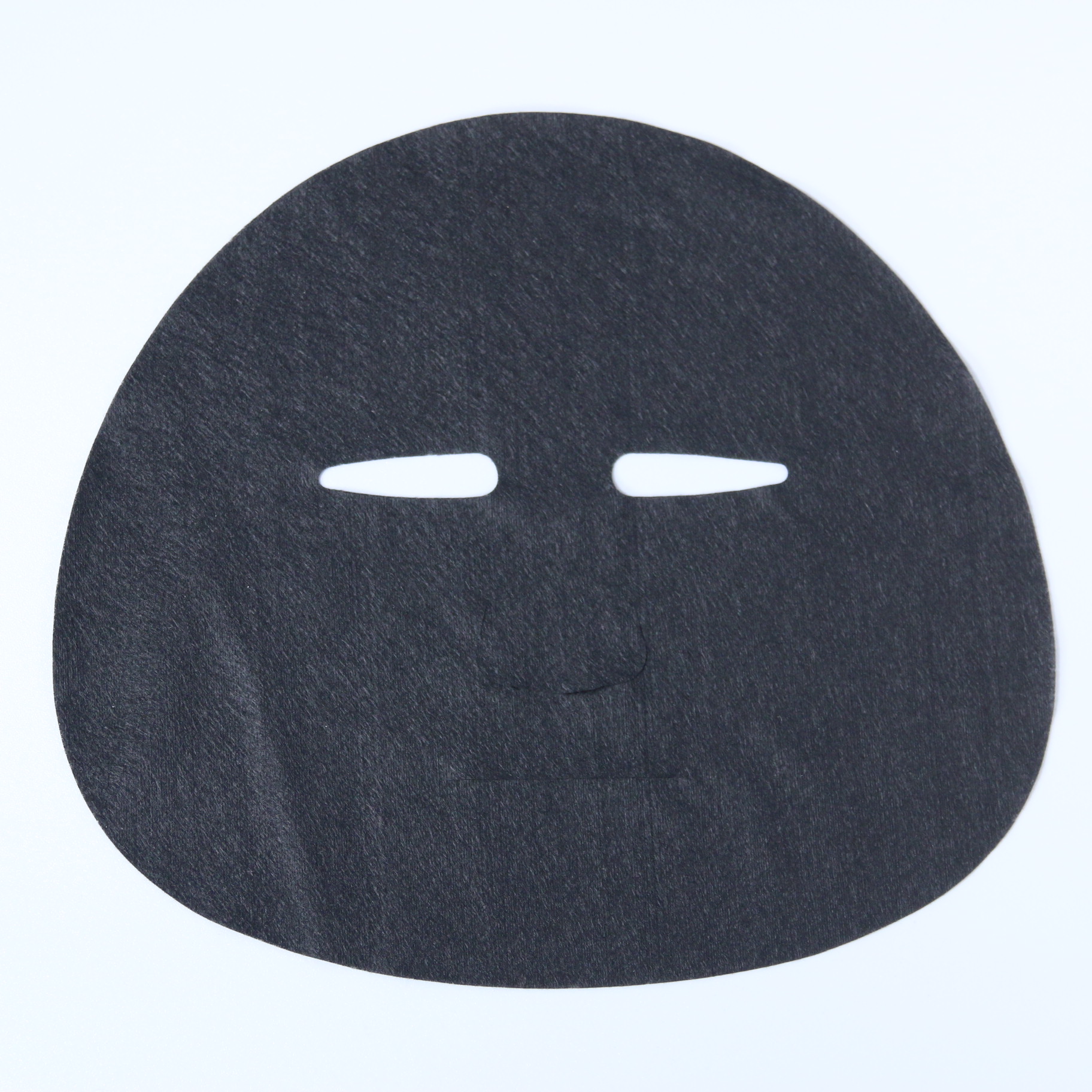
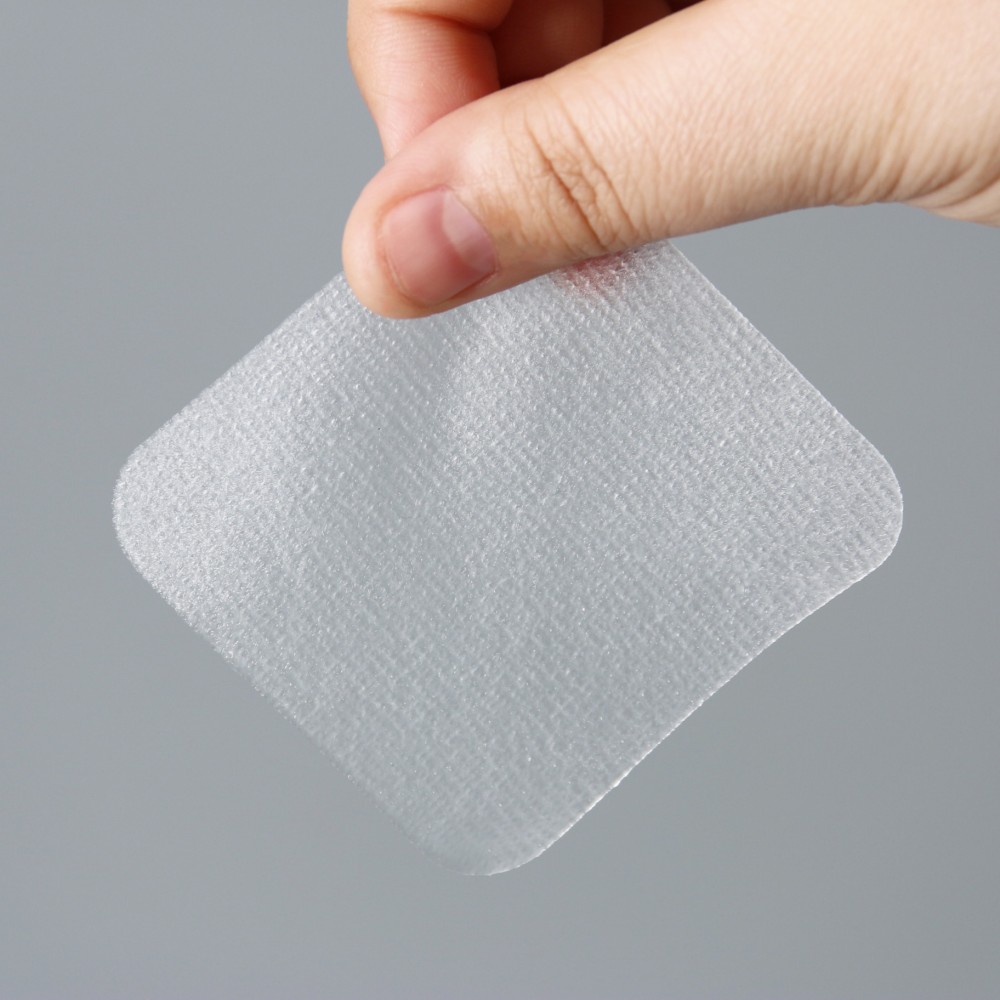
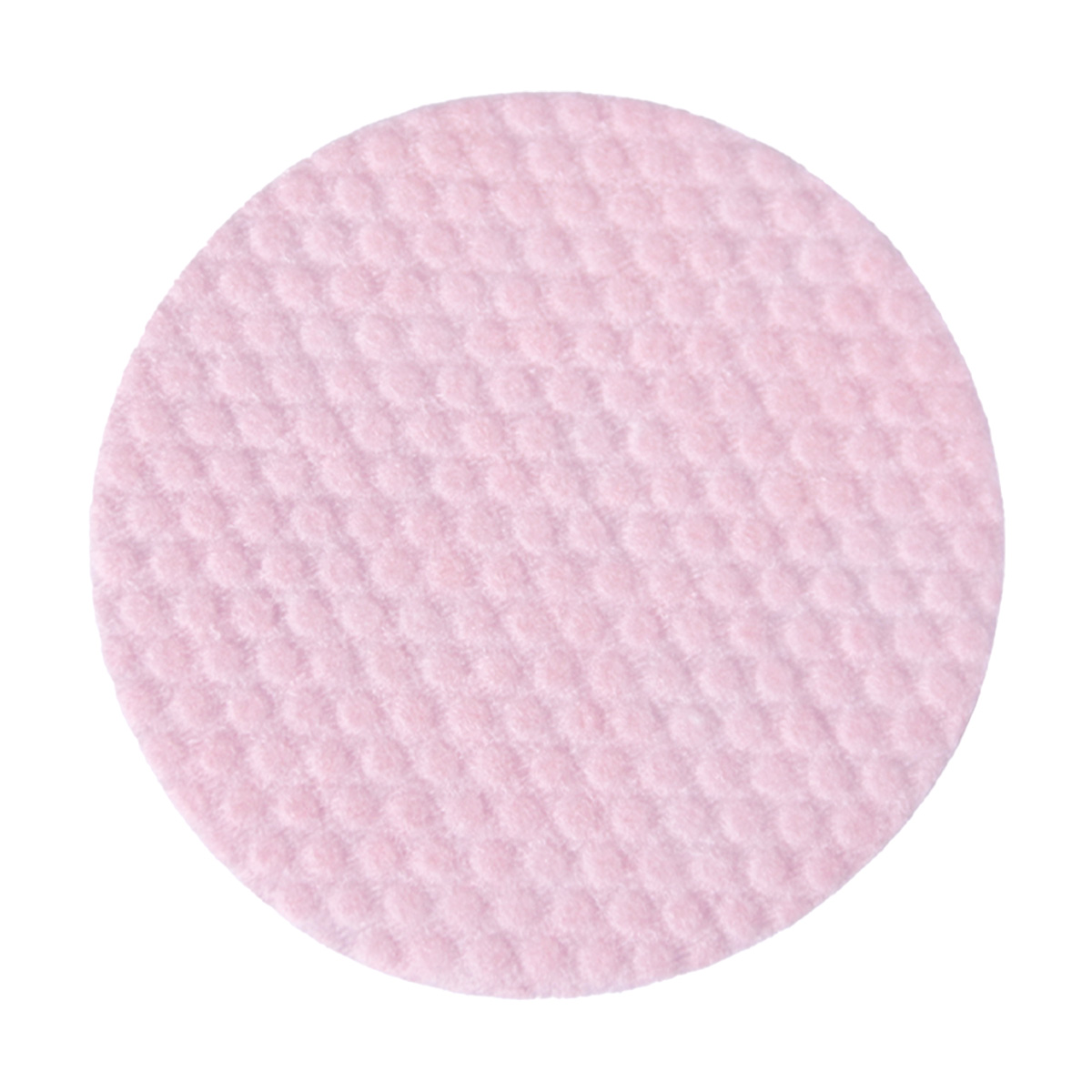
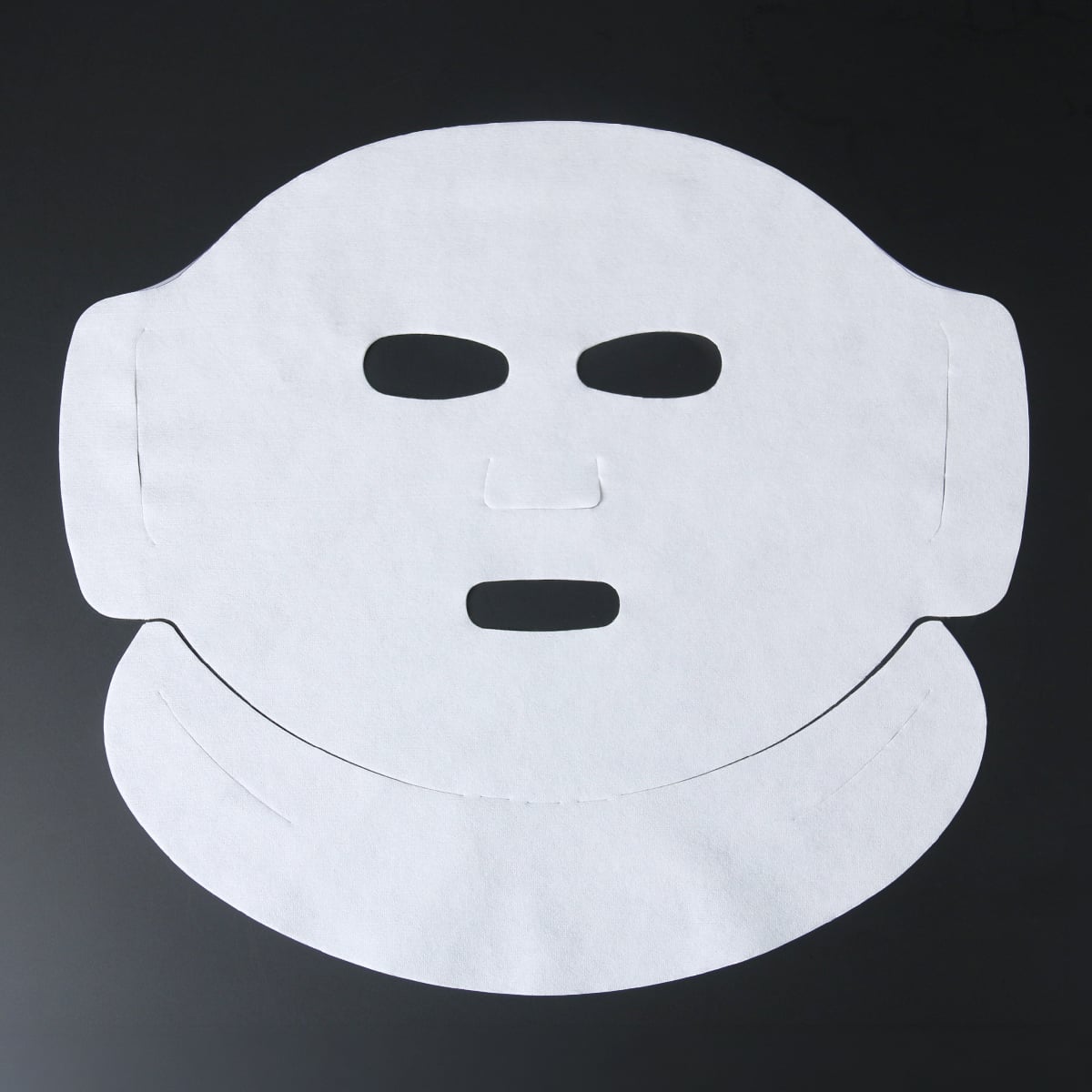
One of the most technically important properties of any fabric for face mask is its ability to absorb and retain liquid essence. The fiber structure, weave pattern, and surface treatment all directly affect how much serum a fabric for face mask can hold and how consistently it releases that serum during skin contact. Non-woven fabrics made from materials such as cellulose, lyocell, or microfiber are widely used because they offer strong absorption performance and a fine, smooth surface. Each material type brings a different balance of liquid uptake, release rate, and skin feel.
Lyocell-based fabric for face mask substrates, for example, are derived from natural wood pulp and are known for their high moisture retention and biodegradable profile. Cotton-based options offer breathability and familiarity but may absorb less efficiently than engineered fibers. Microfiber fabric for face mask materials tend to feel extremely soft and deliver strong adherence to the skin, making them popular for premium product lines. The right choice depends on the target consumer segment, formula viscosity, and intended wearing duration.
Serum Compatibility with Fabric Type
Not every fabric for face mask works equally well with every serum formulation. Thicker, gel-based formulas may not penetrate densely woven fabrics efficiently, while water-light essences may drain too quickly from loosely structured materials. Formulators and product developers should test their specific serum within the fabric for face mask substrate before finalizing production runs. Compatibility testing ensures that the fabric holds and delivers the correct volume of actives to the skin surface without excessive pooling or premature evaporation.
Sustainability and Material Safety Standards
Eco-Friendly Considerations in Fabric Sourcing
Sustainability has become a major evaluation factor when selecting a fabric for face mask in today's market. Consumers and retailers increasingly expect brands to demonstrate responsible sourcing, minimal environmental impact, and transparent supply chains. Biodegradable options such as bamboo fiber, lyocell, and organic cotton are gaining traction as preferred alternatives to synthetic nonwovens derived from petroleum. Choosing an eco-responsible fabric for face mask can strengthen brand positioning and meet the growing expectations of environmentally aware consumers across global markets.
Biodegradability alone does not guarantee safety or quality. A fabric for face mask must still meet performance thresholds for absorption, skin feel, and structural integrity even when made from sustainable raw materials. Brands should evaluate both the environmental profile and the functional performance of any fabric for face mask under consideration. Supplier transparency around fiber sourcing, processing chemicals, and certifications is essential to making a well-rounded procurement decision.
Compliance and Testing Requirements
Regulatory compliance is a non-negotiable aspect of selecting a fabric for face mask intended for commercial distribution. Different markets carry different requirements, ranging from cosmetic safety assessments in the European Union to FDA compliance in the United States. A fabric for face mask used in cosmetic applications must pass dermatological testing, cytotoxicity assessments, and relevant safety evaluations before being incorporated into finished products. Working with suppliers who proactively provide test reports and compliance documentation reduces sourcing risk and speeds up product approval timelines significantly.
FAQ
What is the most common fabric for face mask sheet production?
The most commonly used fabric for face mask sheet production includes lyocell, cellulose nonwoven, microfiber, and cotton. Each type of fabric for face mask offers different absorption rates, skin feel characteristics, and compatibility with serum formulations. Lyocell is particularly popular due to its smooth texture, high moisture retention, and biodegradable nature, making it a preferred fabric for face mask among premium skincare brands.
How do I evaluate the quality of a fabric for face mask before purchasing?
To evaluate the quality of a fabric for face mask, request fabric samples and conduct absorption tests with your specific serum formulation. Assess the fabric for face mask in terms of softness, skin adherence, liquid retention time, and structural integrity after saturation. Ask suppliers for safety certifications such as OEKO-TEX to confirm the fabric for face mask is free from harmful substances. Pilot testing with a small consumer group before full production is also strongly recommended.
Can the same fabric for face mask be used across different product lines?
While some fabric for face mask substrates are versatile, not every material suits all product lines. A fabric for face mask designed for a hydrating sheet mask may not perform equally well in a brightening or anti-aging formula with a different viscosity profile. It is advisable to test each fabric for face mask type against the specific serum formulation for each product line to confirm compatibility, delivery performance, and the final consumer experience before committing to large-scale production.

 EN
EN
 Hot News