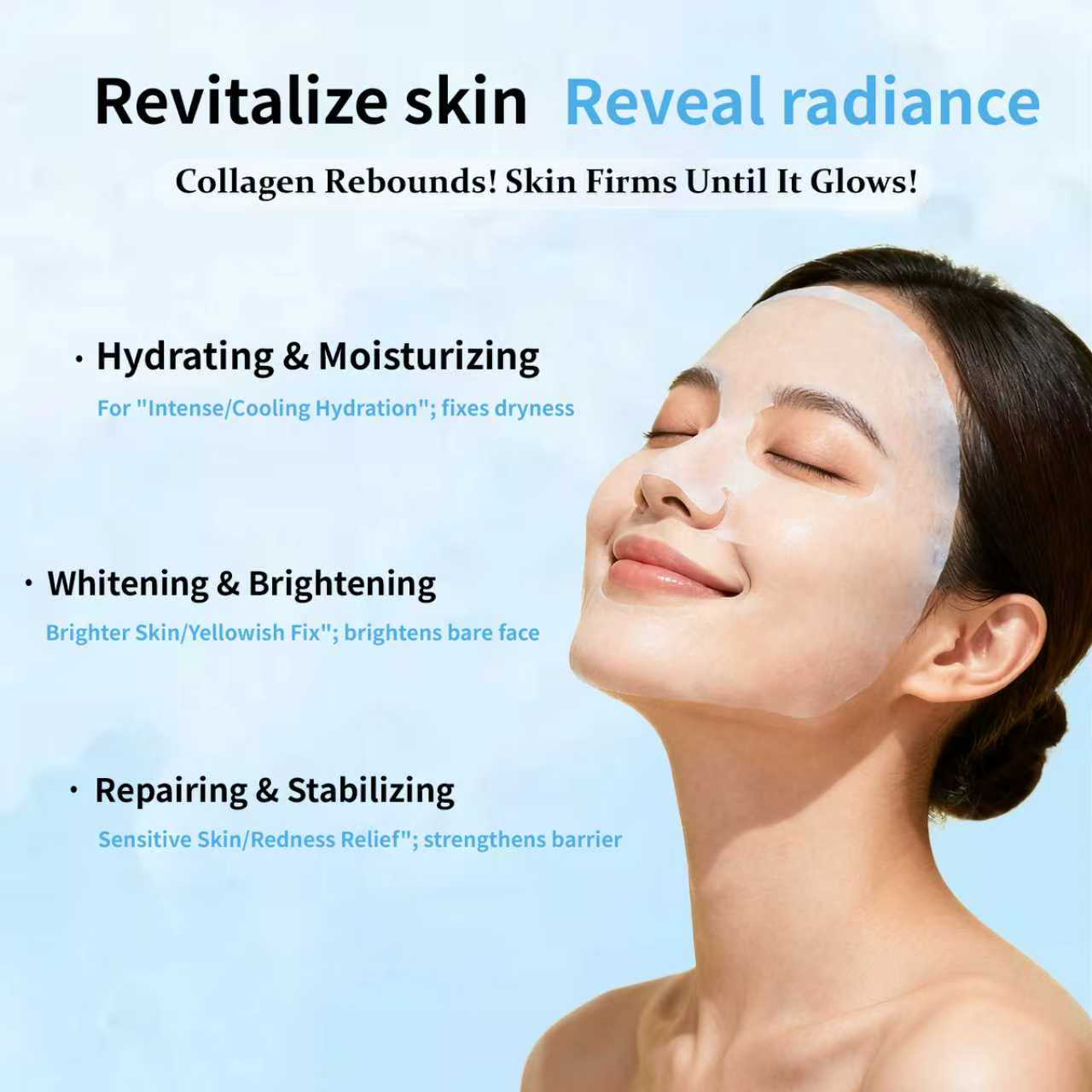
Dry patches, product that evaporates too quickly, and uneven application can make a skincare routine less effective or comfortable. Facial mask paper offers a practical way to hold a liquid formula against the face for a set period, helping address these everyday challenges through controlled contact rather than complicated steps. The material matters because fit, feel, and absorption influence how well the treatment works for the person using it.
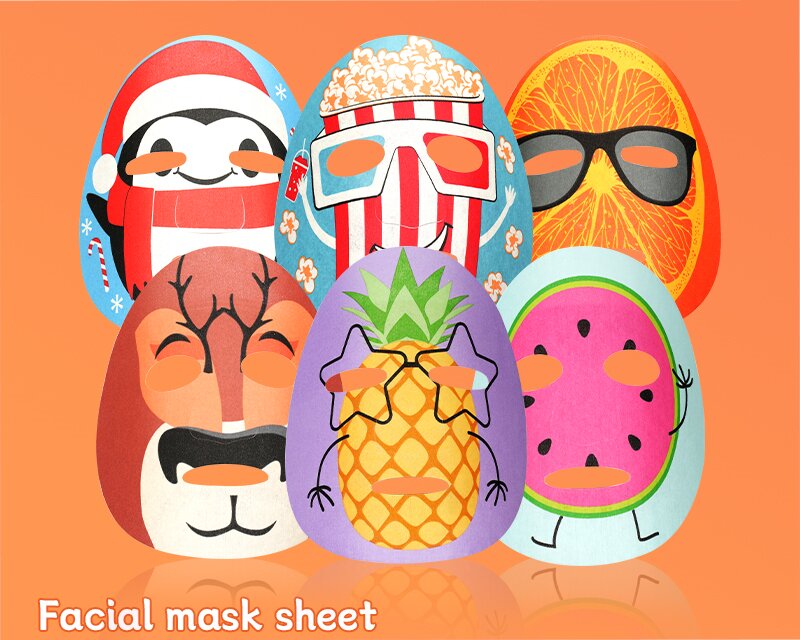
A sheet is not a cure for every skin concern, and its results depend on the serum, usage instructions, and individual response. Still, facial mask paper can make hydration-focused care easier to apply consistently, especially when creams are difficult to spread evenly or a short, measured treatment is preferred. Understanding how it addresses common problems helps skincare teams and product developers make informed choices.
How mask sheets address everyday skin concerns
Supporting temporary hydration
When skin feels tight after cleansing or exposure to dry indoor air, a moisturizing formula can help improve comfort. Facial mask paper keeps the formula in close contact with the skin during the application period, reducing the tendency for it to run off or transfer immediately to hands and clothing. The sheet itself does not supply hydration; the serum and the routine around it are central.
For this reason, facial mask paper should be considered a delivery format, not an active ingredient. A user can select a formula suited to their routine and follow its directions, then remove the sheet at the recommended time. Leaving a mask on for longer than directed is not automatically more beneficial and may leave skin feeling uncomfortable as the material dries.
Encouraging more even application
Applying liquid skincare by hand can lead to heavier coverage on one area and less on another, particularly around the cheeks, nose, and forehead. Facial mask paper provides a pre-shaped carrier that distributes a measured formula across much of the face. Its close contact can make a brief treatment simpler to repeat than applying a similar quantity manually.
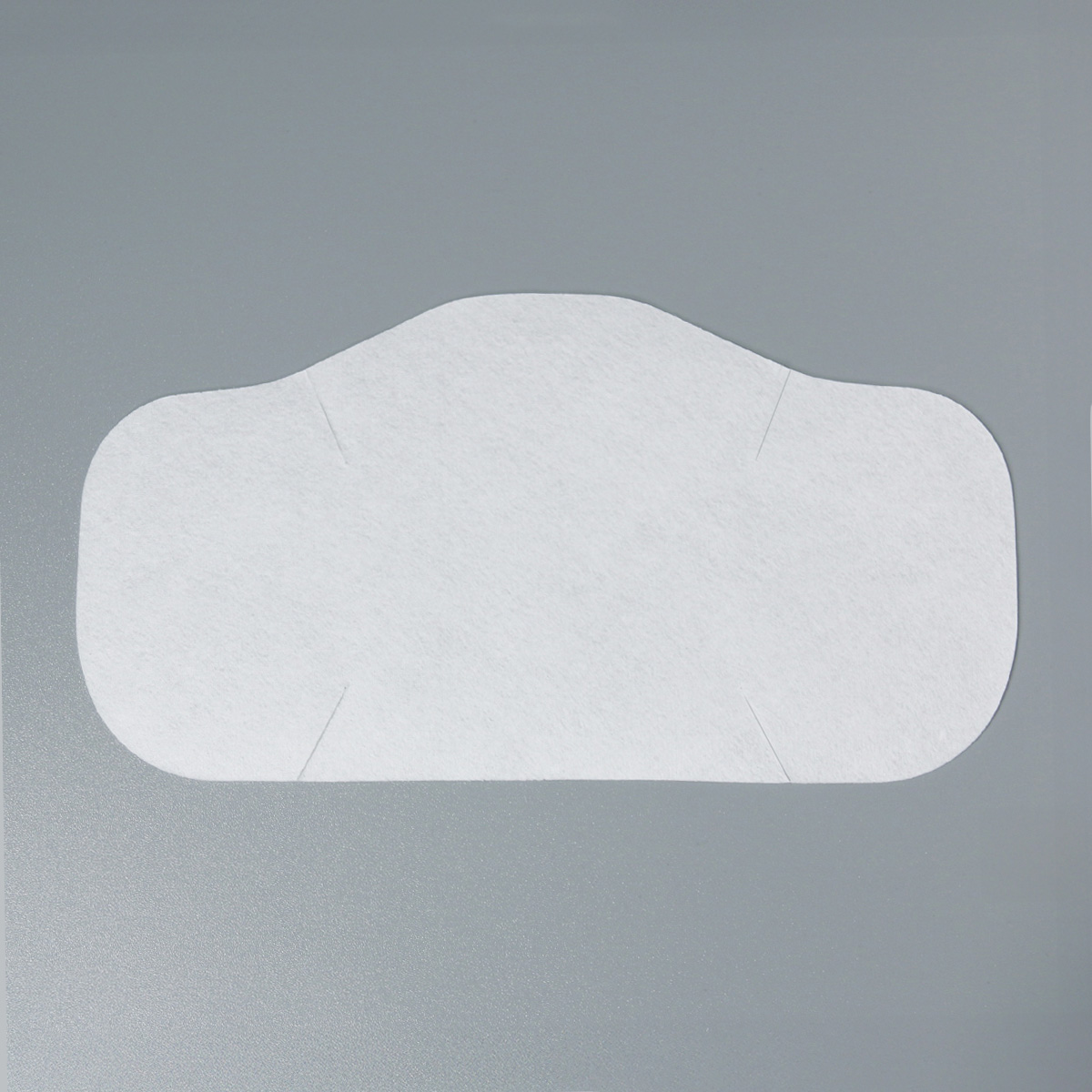
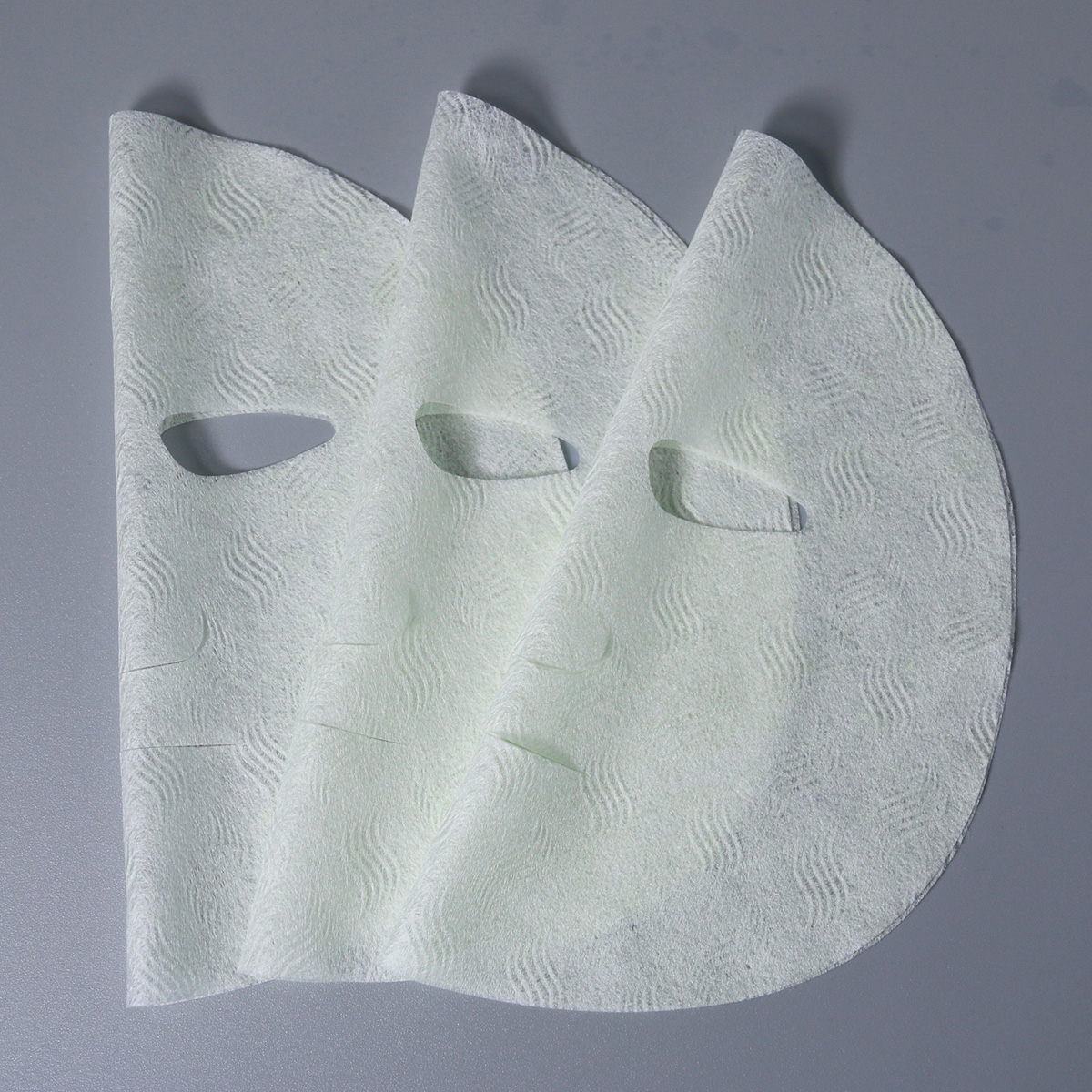
Fit affects this benefit. A sheet that is too large may fold, while one that is too small can leave areas uncovered or pull away during use. Facial mask paper with suitable openings and contours can sit more steadily, but users may still need to smooth it gently from the center outward. Avoid tugging at the skin when adjusting the sheet.
Choosing materials for comfort and usability
Matching feel to skin sensitivity
A scratchy, stiff, or heavily scented mask may distract from the treatment and can be unsuitable for people who are sensitive to particular ingredients or materials. Facial mask paper should feel comfortable enough to remain in place for the instructed duration. Since reactions can come from the serum as well as the sheet, evaluating the full product is more useful than judging the carrier alone.
For users with reactive skin, a cautious approach is appropriate: check the ingredient information, follow product directions, and stop use if irritation develops. Facial mask paper cannot make an irritating formula safe. Product developers can likewise assess softness, odor, wet strength, and skin contact as separate considerations, then test the complete mask under conditions that reflect actual use.
Balancing absorption and formula release
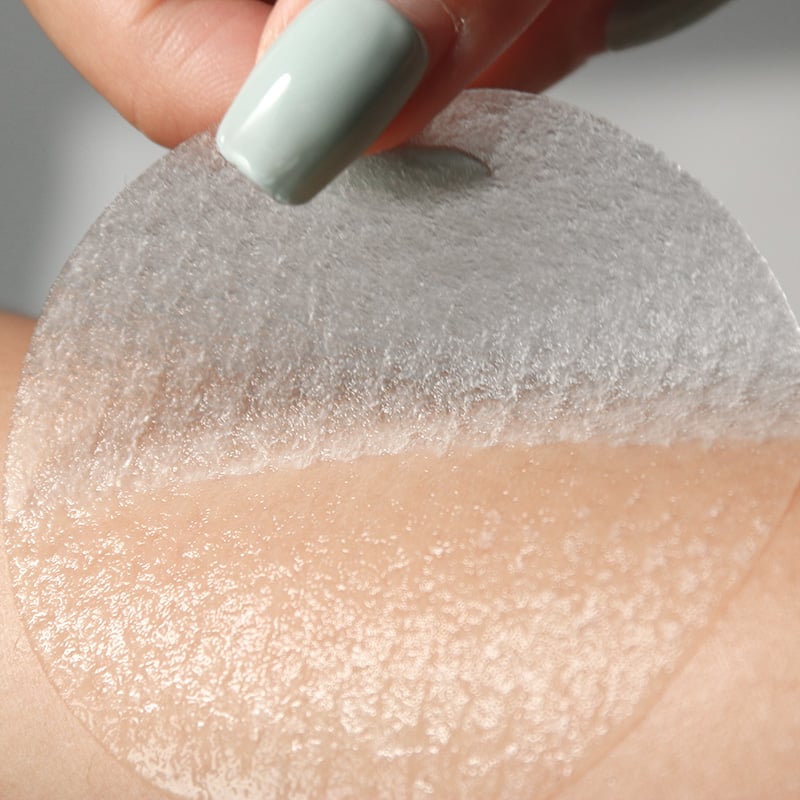
A mask needs to retain enough essence for application while releasing it to the skin during use. If facial mask paper absorbs too little, serum may pool or drip; if it holds the liquid too tightly, the user may find the sheet does not feel evenly moist. The right balance depends on the material structure, serum viscosity, package design, and intended application time.
A facial mask paper specification should therefore be evaluated with the intended formula, not in isolation. Practical checks include how consistently the sheet loads, whether it stays intact when lifted from the pouch, and how well it conforms to facial contours. These observations help identify usability issues before a product reaches routine use, without assuming that one material suits every formula.
Building a reliable and skin-conscious routine
Preparing and applying the sheet
Clean hands and a clean face help keep the application straightforward. Open the package carefully, unfold the sheet without stretching it, and position facial mask paper so its openings align comfortably with the eyes, nose, and mouth. Smooth out major folds, but avoid pulling the sheet tightly, since tension can make the experience uncomfortable and affect how evenly it contacts the skin.
Use the treatment for the time stated on its packaging and do not reuse a disposable sheet. After removal, follow the product directions for any remaining serum, and apply other routine products only if appropriate for the formula and personal needs. Facial mask paper is best treated as one step in a broader routine, rather than a substitute for daily cleansing, moisturizer, or sun protection.
Responding to common usage problems
Dripping often means the sheet is overloaded, poorly fitted, or difficult to handle; careful unfolding over the pouch can reduce spills. If facial mask paper slips, reposition it gently rather than repeatedly pressing or rubbing the skin. A persistent burning sensation, itching, or redness is a reason to remove the mask and rinse as needed, then seek professional advice if symptoms continue.
Dryness after masking may indicate that the product was left on too long, that the formula does not suit the user, or that the surrounding routine needs adjustment. Facial mask paper should not be used to conceal an ongoing skin problem or replace advice from a qualified professional. Keeping notes about the formula, timing, and response can help users identify patterns and make more considered choices.
FAQ
Can facial mask paper solve dry skin?
Facial mask paper can carry a moisturizing formula that supports temporary skin comfort, but the sheet is not itself a treatment for persistent dryness. Choose a suitable formula, follow its directions, and use regular skincare practices. Ongoing or severe dryness may need assessment by a healthcare professional.
How long should a sheet mask stay on?
Follow the time specified on the package, since formulas and materials differ. Facial mask paper should not be left on until it becomes uncomfortably dry. Longer wear does not guarantee better results and can be unpleasant for some users.
What should sensitive-skin users check?
Review the formula and material information, avoid known triggers, and stop if irritation appears. Facial mask paper does not prevent reactions to ingredients. When sensitivity is a concern, a qualified clinician can offer guidance suited to the individual.

 EN
 Hot News