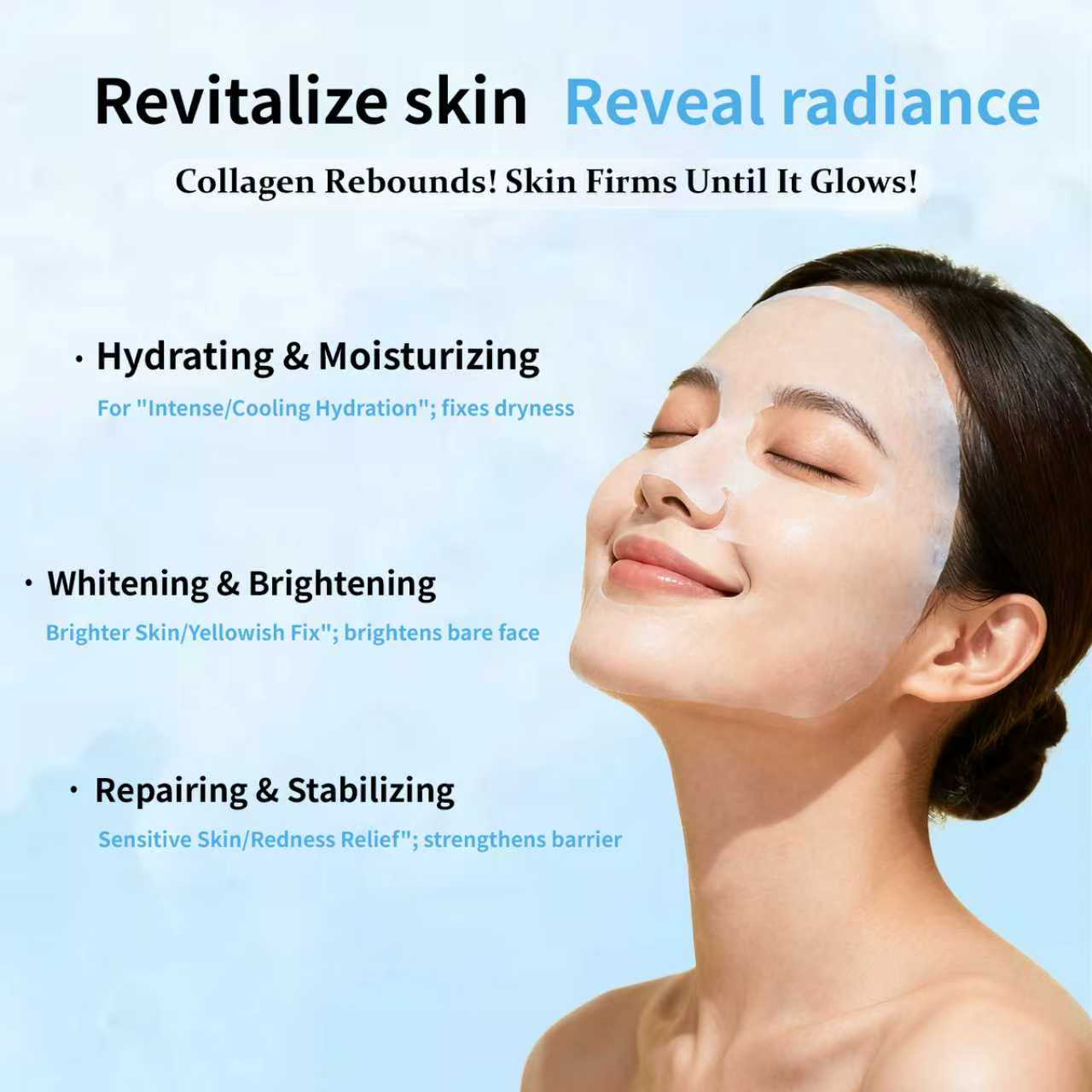
An activated charcoal face mask has become a cornerstone in modern skincare routines, especially for those seeking natural and eco-friendly solutions. The popularity of this product stems from its proven ability to draw out impurities, oil, and toxins from deep within pores. However, simply applying an activated charcoal face mask without understanding the correct usage strategies can lead to ineffective results or even skin irritation. Maximizing the benefits of your activated charcoal face mask requires knowledge of application timing, frequency, and complementary practices.

Sustainability-conscious consumers recognize that an activated charcoal face mask offers both environmental responsibility and personal skincare benefits. Unlike many chemical-laden alternatives, charcoal-based formulations align with eco-friendly beauty principles while delivering visible results. Understanding how to optimize your activated charcoal face mask routine ensures you get maximum value from every application while supporting your skin health and environmental goals.
Preparation and Pre-Application Strategies
Cleansing Before Mask Application
Before applying your activated charcoal face mask, proper preparation significantly enhances effectiveness. Start by gently cleansing your face with a mild, pH-balanced cleanser to remove surface dirt, makeup, and debris. This pre-cleansing step ensures that your activated charcoal face mask can penetrate deeply without surface contamination blocking pore access. Rinse thoroughly with lukewarm water and pat dry with a clean towel, leaving your skin slightly damp to aid mask adhesion and absorption.
Skin Assessment and Sensitivity Testing
Understanding your skin type before using an activated charcoal face mask prevents adverse reactions and optimizes results. Oily and combination skin types typically respond excellently to activated charcoal face mask treatments, while sensitive or dry skin may need modified frequency or shorter application times. Always conduct a patch test on a small area, such as your jawline or behind your ear, at least 24 hours before full-face application. This precaution with your activated charcoal face mask helps identify potential sensitivity or allergic reactions before committing to a complete facial treatment.
Optimal Application and Timing Techniques
Application Method and Coverage
Applying your activated charcoal face mask correctly ensures uniform benefits across all facial areas. Using clean fingers, a soft brush, or a dedicated mask applicator, spread the activated charcoal face mask in an even, thin layer across your entire face, avoiding the delicate eye and lip regions. Many users make the mistake of applying the mask too thickly, which can lead to extended drying time and potential over-drying of skin. A consistent, moderate layer of activated charcoal face mask typically provides optimal pore-cleansing benefits while maintaining skin comfort and preventing excessive tightness.
Duration and Frequency Guidelines
Determining how long to leave an activated charcoal face mask on your skin depends on your skin type and sensitivity level. For most users, keeping an activated charcoal face mask on for 10 to 15 minutes strikes an ideal balance between efficacy and safety. Do not exceed 20 minutes, as extended application of an activated charcoal face mask can over-dry your skin and compromise the moisture barrier. Regarding frequency, using an activated charcoal face mask once or twice weekly provides excellent results for most skin types, while sensitive skin may benefit from less frequent application, such as every 10 to 14 days.
Post-Application Care and Maintenance
Removal and Rinsing Process
Proper removal of your activated charcoal face mask is just as important as application technique. After the recommended time has elapsed, rinse your face thoroughly with lukewarm water, using gentle circular motions to help lift the activated charcoal face mask from your pores. Avoid harsh scrubbing or pulling, which can irritate skin and undo the benefits of your activated charcoal face mask treatment. Continue rinsing until all residue is completely removed, as any remaining activated charcoal face mask particles can clog pores and cause dryness if left on skin.
Hydration and Follow-Up Care
After removing your activated charcoal face mask, your skin requires immediate hydration to restore moisture balance. Apply a hydrating toner, essence, or facial mist while your skin is still damp from rinsing to lock in moisture after the detoxifying effects of your activated charcoal face mask. Follow with your regular moisturizer suited to your skin type, ensuring complete hydration restoration after the pore-cleansing action of the activated charcoal face mask. Many users also apply a lightweight facial serum or facial oil to reinforce the skin barrier, creating a comprehensive post-mask routine that maximizes the benefits of your activated charcoal face mask while preventing dehydration.
Advanced Usage Strategies and Integration
Combining With Other Skincare Products
Strategic integration of your activated charcoal face mask into a broader skincare routine amplifies overall results. Avoid applying your activated charcoal face mask on the same day as chemical exfoliants or strong active ingredients like retinoids or vitamin C serums, as combining these treatments can over-stress your skin barrier. Instead, use your activated charcoal face mask on days when you're not performing active treatments, or space applications at least two days apart. This approach maximizes the deep-cleansing benefits of the activated charcoal face mask while maintaining skin health and preventing irritation from product interaction.
Seasonal Adjustments and Environmental Considerations
Adjusting your activated charcoal face mask usage according to seasonal changes and environmental conditions improves effectiveness year-round. During humid summer months, your activated charcoal face mask may work more efficiently due to increased sebum production and open pores, potentially justifying slightly more frequent applications. In contrast, winter's dry climate may require reduced frequency of your activated charcoal face mask routine, with more emphasis on post-application hydration and barrier protection. Environmental pollution levels also affect optimal usage; individuals in highly polluted urban areas may benefit from weekly activated charcoal face mask applications to manage accumulated environmental toxins and particulate matter.
FAQ
How frequently should I use an activated charcoal face mask for optimal results?
Most skin types benefit from using an activated charcoal face mask once or twice weekly for optimal results. However, sensitive or dry skin should reduce frequency to every 10 to 14 days to avoid over-drying and skin barrier compromise. Pay attention to your skin's response and adjust your activated charcoal face mask schedule based on individual tolerance and results observed over 4 to 6 weeks of consistent use.
Can I use an activated charcoal face mask every day?
Using an activated charcoal face mask daily is generally not recommended for most skin types, as excessive application can severely dry out skin and disrupt the natural moisture balance. Even oily skin benefits from rest days between activated charcoal face mask applications to allow the skin barrier to recover and regenerate. Daily use of an activated charcoal face mask may lead to sensitization, increased irritation, and paradoxically, increased oil production as skin compensates for excessive dryness.
What should I do if my skin feels tight after using an activated charcoal face mask?
Tightness after an activated charcoal face mask application typically indicates that your skin needs more hydration or that the mask was left on too long. Immediately apply a hydrating toner and rich moisturizer to restore moisture balance, and reduce either the duration of your activated charcoal face mask application or the frequency of use. If tightness persists despite proper post-mask hydration, consider whether your skin is naturally dry or sensitive, and adjust your activated charcoal face mask routine accordingly or consult a dermatologist.

 EN


 Hot News