The demand for sustainable personal protective equipment has reached unprecedented levels as global awareness of environmental responsibility expands across industries and consumer segments. Organic cotton face masks represent a significant shift in how we approach daily hygiene without compromising ecological integrity. Unlike conventional masks made from synthetic petroleum-based materials, the organic cotton face mask offers a genuinely renewable alternative that addresses both immediate health needs and long-term planetary concerns. This transition reflects a broader industrial movement toward materials that decompose naturally and require substantially less chemical processing throughout their lifecycle.
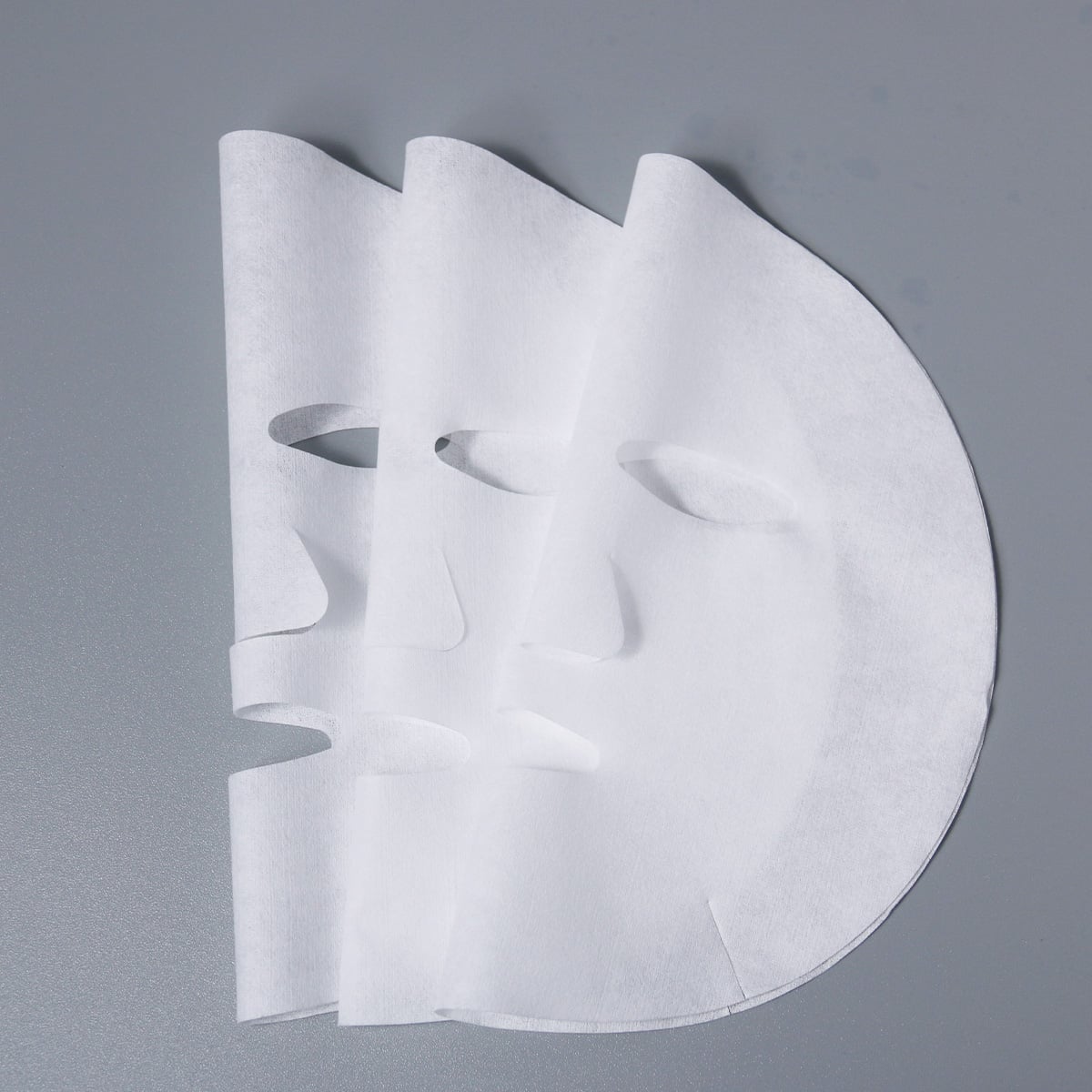
As we approach 2026, manufacturers and end-users increasingly recognize that the organic cotton face mask delivers tangible environmental advantages while maintaining performance standards comparable to synthetic alternatives. The eco-impact of transitioning to organic cotton face mask production extends beyond individual use cases into supply chain optimization, waste reduction, and soil health restoration across agricultural regions worldwide. Understanding these dimensions allows organizations and consumers to make informed decisions that align with sustainability commitments and corporate environmental responsibility targets.
Environmental Benefits of Organic Cotton Face Masks
Reduced Chemical Exposure in Agricultural Production
Conventional cotton farming accounts for approximately 16% of global insecticide use despite occupying only 2.5% of cultivated land, creating significant soil degradation and waterway contamination. Organic cotton face mask production eliminates synthetic pesticide applications entirely, relying instead on natural pest management techniques and biodiversity-supporting farming practices. Farmers cultivating cotton for organic cotton face mask manufacturing rotate crops strategically, build soil organic matter through composting, and implement integrated pest management systems that protect ecosystem health. This fundamental difference means that each organic cotton face mask represents a product created without the hazardous chemical residues that persist in synthetic alternatives and accumulate in ecosystems over decades.
Carbon Footprint Reduction Across Supply Chains
The manufacturing process for the organic cotton face mask typically generates 40-60% lower carbon emissions compared to polyester-based masks when evaluated across complete lifecycle assessments. Organic cotton requires no synthetic fertilizer production, which represents one of the most energy-intensive components of conventional textile manufacturing. Transportation efficiency improves because organic cotton face mask producers increasingly source materials from regional suppliers rather than maintaining global supply chains dependent on petroleum-based logistics. By 2026, advancement in local processing facilities will further reduce the carbon footprint associated with bringing an organic cotton face mask from field to consumer hands.
Biodegradability and Soil Recovery Impact
Complete Decomposition and Ecosystem Restoration
A standard organic cotton face mask decomposes fully within 5-6 months under appropriate composting conditions, eliminating the waste persistence problems associated with synthetic masks that remain in landfills for 200+ years. When an organic cotton face mask reaches end-of-life, it converts back into organic matter that enriches soil structure and microbial communities rather than leaching microplastics into groundwater. The biodegradable nature of the organic cotton face mask means that large-scale adoption creates opportunities for establishing circular agriculture models where textile waste becomes a resource rather than a liability. Composting facilities processing organic cotton face mask waste generate valuable soil amendments for regenerative farming operations, creating economic value from materials previously destined for disposal.
Water Conservation During Manufacturing
Organic cotton face mask production uses approximately 29% less water than conventional cotton processing, a critical advantage in water-scarce regions where textile manufacturing traditionally consumes vast quantities of freshwater resources. The organic cotton face mask manufacturing process avoids water-intensive synthetic dye fixation and chemical finishing treatments that require extensive rinsing cycles. Additionally, organic farming practices that support organic cotton face mask source materials build soil water retention capacity, reducing irrigation demands and improving agricultural resilience to drought conditions. These water conservation benefits compound when calculated across industrial-scale organic cotton face mask manufacturing, potentially conserving billions of liters annually if adoption rates continue accelerating toward projected 2026 targets.
Market Adoption and Business Implications
Corporate Sustainability Commitments Driving Adoption
Leading organizations across healthcare, hospitality, and consumer goods sectors have committed to transitioning supply chains toward sustainable materials, with the organic cotton face mask emerging as a preferred option for fulfilling these environmental pledges. Many Fortune 500 companies have announced targets to eliminate single-use synthetic masks by 2026, creating substantial procurement volume for organic cotton face mask manufacturers and distributors. The organic cotton face mask meets rigorous certification standards including GOTS (Global Organic Textile Standard) and Fair Trade requirements, providing transparent documentation of environmental and social compliance. Supply chain transparency for the organic cotton face mask allows businesses to substantiate sustainability claims and demonstrate genuine commitment to stakeholder environmental responsibility rather than performative greenwashing.
Consumer Demand Alignment with Environmental Values
Market research indicates that 67% of consumers actively prefer sustainable product alternatives when performance and pricing remain competitive, directly supporting increased demand for the organic cotton face mask across demographic segments. Younger consumers particularly favor the organic cotton face mask, viewing personal purchasing decisions as expressions of environmental values and drivers of broader market transformation. The organic cotton face mask represents an accessible entry point for consumers seeking to reduce their environmental footprint without requiring significant lifestyle disruption or premium pricing penalties. Educational initiatives explaining the eco-impact of organic cotton face mask choices create awareness that sustains demand growth and encourages retailers to expand inventory allocation toward sustainable options.
FAQ
How long does an organic cotton face mask remain effective during use?
An organic cotton face mask maintains protective effectiveness for 8-12 hours of continuous wear before filtration capacity diminishes, comparable to synthetic alternatives when constructed with appropriate fabric densities and proper fit protocols. Reusable organic cotton face mask designs can be laundered and effectively restored 50-100 times before replacement becomes necessary, dramatically extending product lifespan and amortizing environmental impact across extended usage periods.
What certifications validate the environmental claims of organic cotton face masks?
Global Organic Textile Standard (GOTS) certification confirms that organic cotton face mask manufacturing meets strict environmental and social criteria throughout cultivation, processing, and finished product stages. The OEKO-TEX Standard 100 validates that the organic cotton face mask contains no harmful substances or excessive chemical residues, while Fair Trade certification ensures equitable compensation for agricultural workers involved in organic cotton face mask production.
Can organizations compost organic cotton face masks at scale?
Yes, the organic cotton face mask composts successfully in industrial composting facilities capable of processing natural textiles, with most facilities accepting organic cotton face mask materials as appropriate feedstock for high-temperature composting processes that generate finished compost within 8-12 weeks for subsequent agricultural applications.
 EN




 Hot News