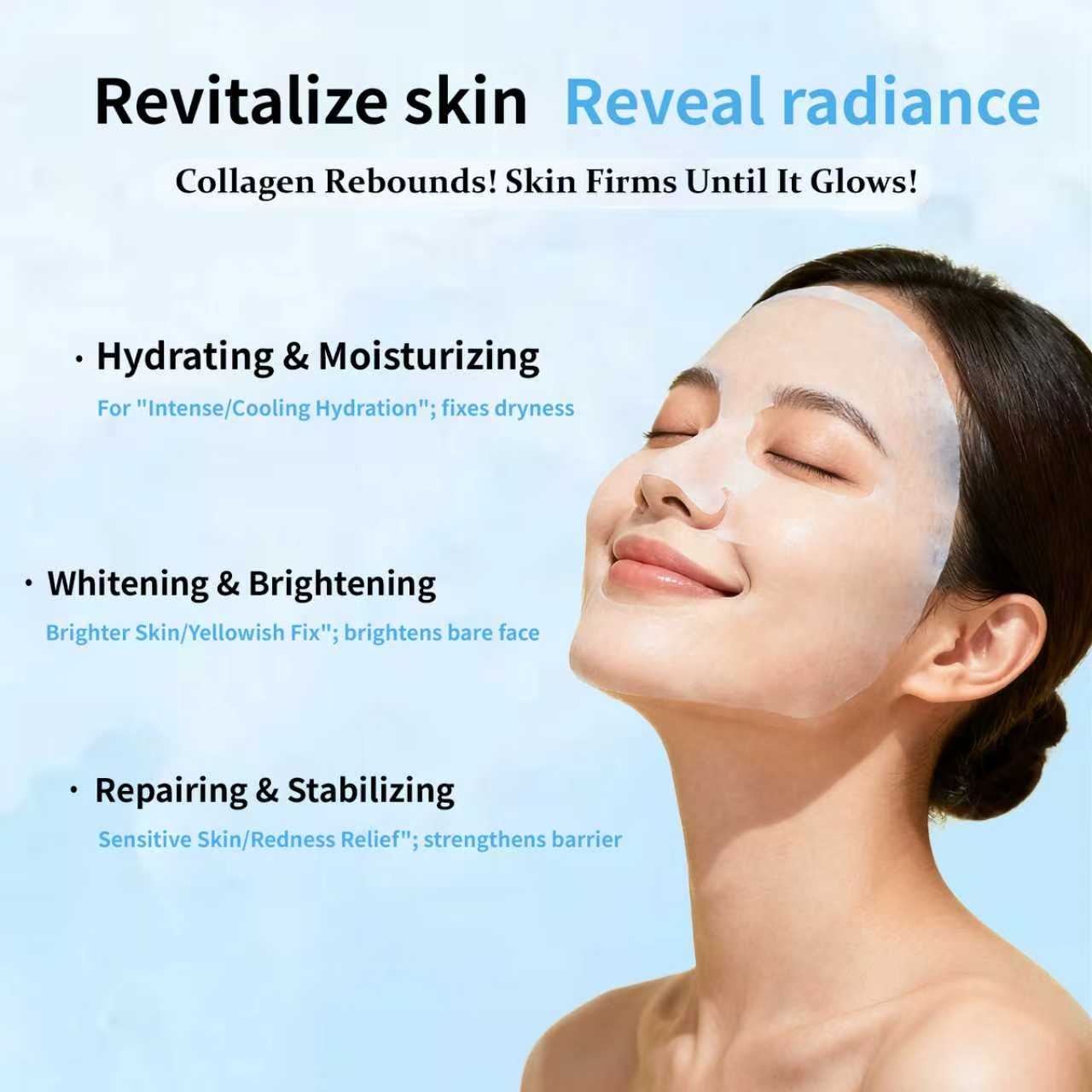
Eco-friendly charcoal masks have become one of the most talked-about product categories in the skincare and beauty industry. Brands across the globe are evaluating whether eco-friendly charcoal masks align with their product portfolio, their customer values, and their long-term positioning. If you are a brand owner, private label buyer, or product developer asking this question, you are already thinking in the right direction. The rise of conscious consumerism means that eco-friendly charcoal masks are no longer a niche trend but a mainstream demand signal that deserves serious strategic attention.
This article is designed to help you make that brand decision with clarity. We will walk through what makes eco-friendly charcoal masks a compelling category, how they fit different brand profiles, and what practical factors to evaluate before adding them to your lineup. Whether you are launching a new brand or expanding an existing one, eco-friendly charcoal masks offer a unique intersection of function, sustainability appeal, and consumer trust that few other product types can match.
What Makes Eco-Friendly Charcoal Masks a Strong Brand Category
The Consumer Pull Behind Eco-Friendly Charcoal Masks
Consumer demand for eco-friendly charcoal masks has grown steadily because buyers are increasingly combining skincare efficacy expectations with environmental awareness. Activated charcoal is widely recognized for its ability to draw out impurities, absorb excess sebum, and leave skin feeling deeply cleansed. When this functional ingredient is delivered through eco-friendly charcoal masks made with sustainable or biodegradable materials, the product becomes a strong match for the values of modern shoppers. Brands that carry eco-friendly charcoal masks send a clear signal that they care about both skin health and the planet.
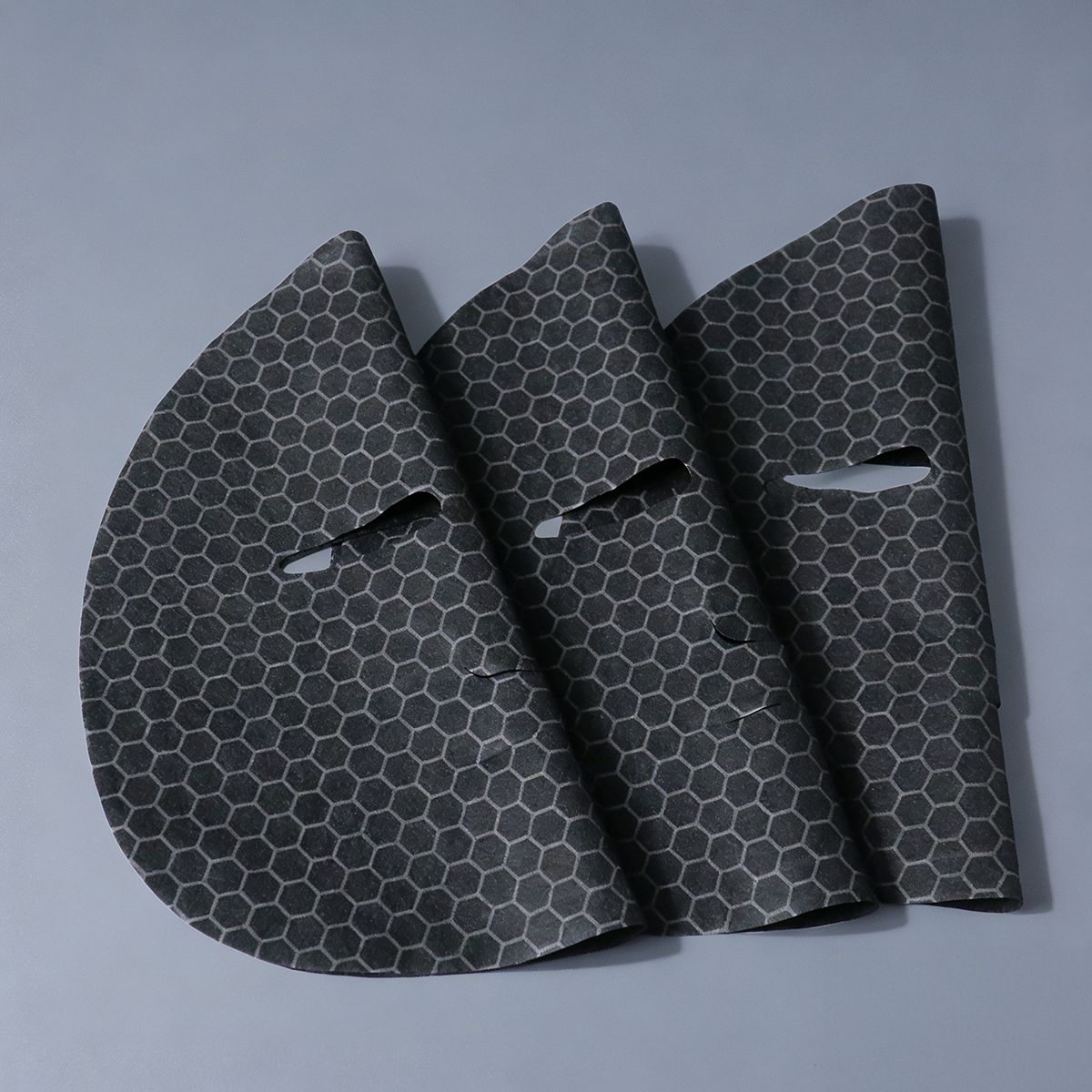
Eco-friendly charcoal masks also perform well in digital retail environments. Their visual identity, typically a striking black sheet mask format, creates strong social media appeal. This visual differentiation makes eco-friendly charcoal masks easier to market and helps brands stand out on crowded e-commerce platforms. The product category essentially does part of the brand storytelling on its own.
Functional Credibility of Eco-Friendly Charcoal Masks
Beyond aesthetics, eco-friendly charcoal masks carry genuine functional credibility. Activated carbon, the core ingredient in quality eco-friendly charcoal masks, is a well-established cosmetic material with documented adsorption properties. When formulated correctly and delivered through a high-quality sheet mask substrate, eco-friendly charcoal masks can offer real, visible results that support repeat purchase behavior. For brand owners, this means lower customer churn and stronger word-of-mouth conversion compared to products that rely purely on novelty.
How Eco-Friendly Charcoal Masks Fit Different Brand Profiles
Clean Beauty and Sustainable Skincare Brands
If your brand is positioned in the clean beauty or sustainable skincare space, eco-friendly charcoal masks are an almost natural fit. Customers in this segment expect products that deliver results without environmental compromise. Eco-friendly charcoal masks made with biodegradable or plant-based sheet materials directly address this expectation. Adding eco-friendly charcoal masks to a clean beauty line reinforces your brand promise and deepens the perceived authenticity of your product range. These customers are also willing to pay a premium for eco-aligned products, which gives eco-friendly charcoal masks strong margin potential.
For brands already communicating sustainability values through packaging or ingredient sourcing, eco-friendly charcoal masks become an extension of an existing brand language. The alignment requires minimal explanation to the customer because the product visually and functionally supports what the brand already stands for.
Mass Market and Multi-Category Brands
Even for brands operating in broader, more mainstream markets, eco-friendly charcoal masks represent a smart category expansion. Mass market consumers are increasingly influenced by eco-claims, and introducing eco-friendly charcoal masks as a featured or limited edition product can attract new customer segments without requiring a full brand repositioning. Eco-friendly charcoal masks also serve well as gift set components, promotional inclusions, or seasonal launches because of their strong visual and conceptual appeal. For multi-category brands, eco-friendly charcoal masks can anchor a dedicated 'deep cleansing' or 'detox' subcategory that gives consumers a clear reason to engage.
Key Factors to Evaluate Before Adding Eco-Friendly Charcoal Masks to Your Brand
Material and Substrate Standards for Eco-Friendly Charcoal Masks
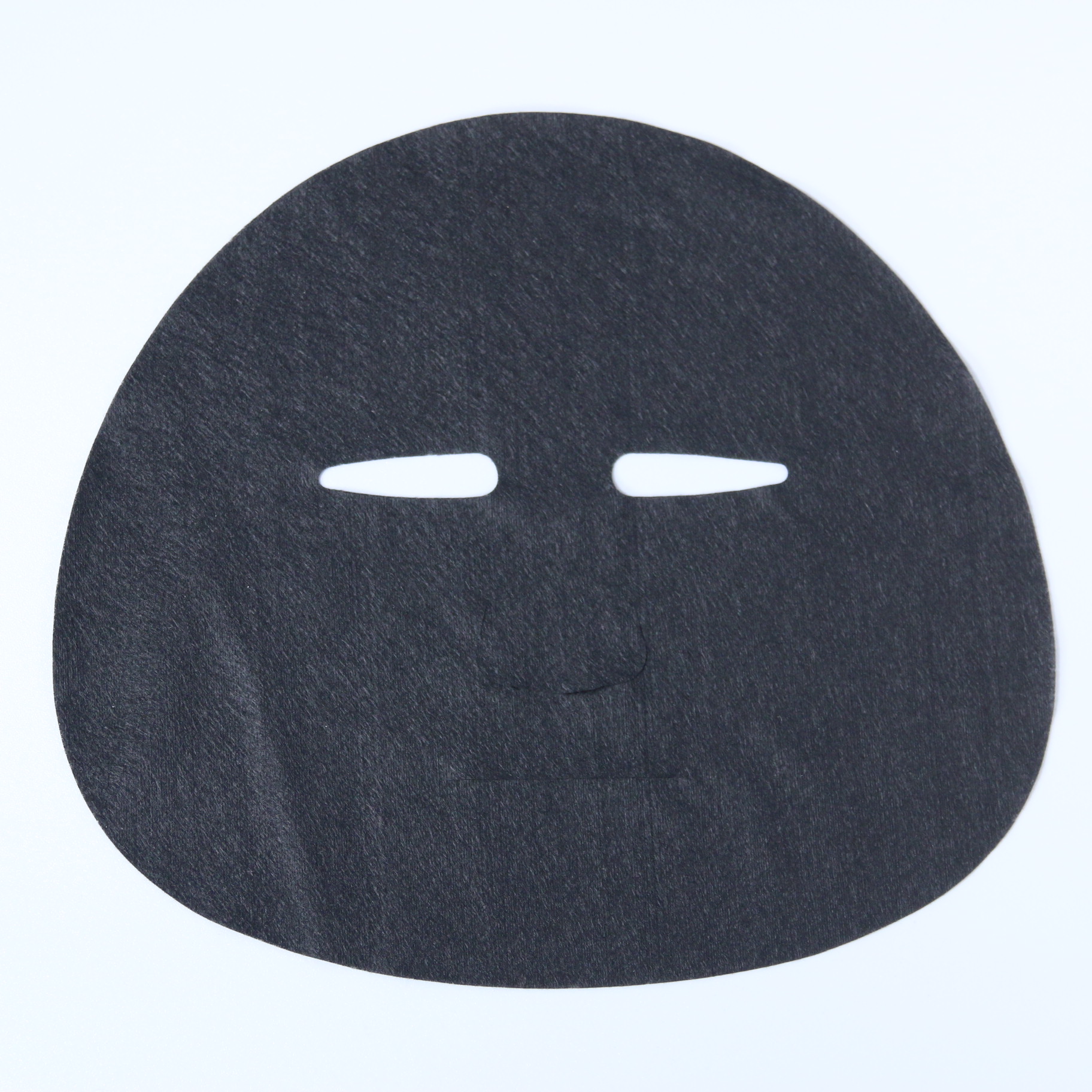
Not all products marketed as eco-friendly charcoal masks meet the same material standards. When evaluating suppliers or manufacturers, it is important to verify the substrate composition of the mask sheet itself. True eco-friendly charcoal masks should use biodegradable, compostable, or sustainably sourced materials such as bamboo fiber, lyocell, or other plant-derived nonwovens. The activated carbon loading and distribution within the sheet also affect product performance, so requesting product specification sheets and testing samples is a critical step. A reliable product like a eco-friendly charcoal masks made with 40gsm black activated carbon sheet material can serve as a useful benchmark for evaluating density, absorbency, and skin-fit quality.
Brand owners should also consider the serum or essence paired with eco-friendly charcoal masks. The sheet substrate is only one component of the total product experience. The formulation infused into the mask determines the skincare benefit delivery and directly shapes how consumers review and repurchase the product.
Regulatory and Labeling Considerations for Eco-Friendly Charcoal Masks
Brands adding eco-friendly charcoal masks to their product range must also account for labeling accuracy. Claims made on packaging around sustainability, biodegradability, or activated charcoal content must be substantiated. Regulatory environments in key markets such as the EU, US, and Southeast Asia are increasingly scrutinizing green claims. Before launching eco-friendly charcoal masks, work with your compliance team or supplier to ensure that all environmental and ingredient claims are properly documented and defensible. Inaccurate labeling on eco-friendly charcoal masks can damage brand trust and create legal exposure, which makes due diligence on this front a non-negotiable step.
FAQ
What types of brands benefit most from adding eco-friendly charcoal masks?
Brands in the clean beauty, sustainable skincare, and wellness segments benefit most directly from eco-friendly charcoal masks because the product fits naturally into their existing brand story. However, mass market and multi-category brands can also benefit by using eco-friendly charcoal masks as a targeted expansion product that attracts eco-conscious buyers without requiring a full brand overhaul.
Are eco-friendly charcoal masks suitable for private label programs?
Yes, eco-friendly charcoal masks are very well suited for private label programs. The format allows for flexible branding, custom serum formulation, and personalized packaging design. Many suppliers specializing in eco-friendly charcoal masks offer MOQ options that accommodate both emerging brands and established buyers scaling their product range.
How do I verify that eco-friendly charcoal masks are genuinely sustainable?
To verify sustainability claims, request material certificates from your supplier, including biodegradability test reports, fiber composition documentation, and any relevant third-party certifications. Reputable manufacturers of eco-friendly charcoal masks should be able to provide transparency about the sourcing and composition of their mask sheet substrates and confirm that no harmful synthetic nonwovens are used in the product.
 EN
EN
 Hot News