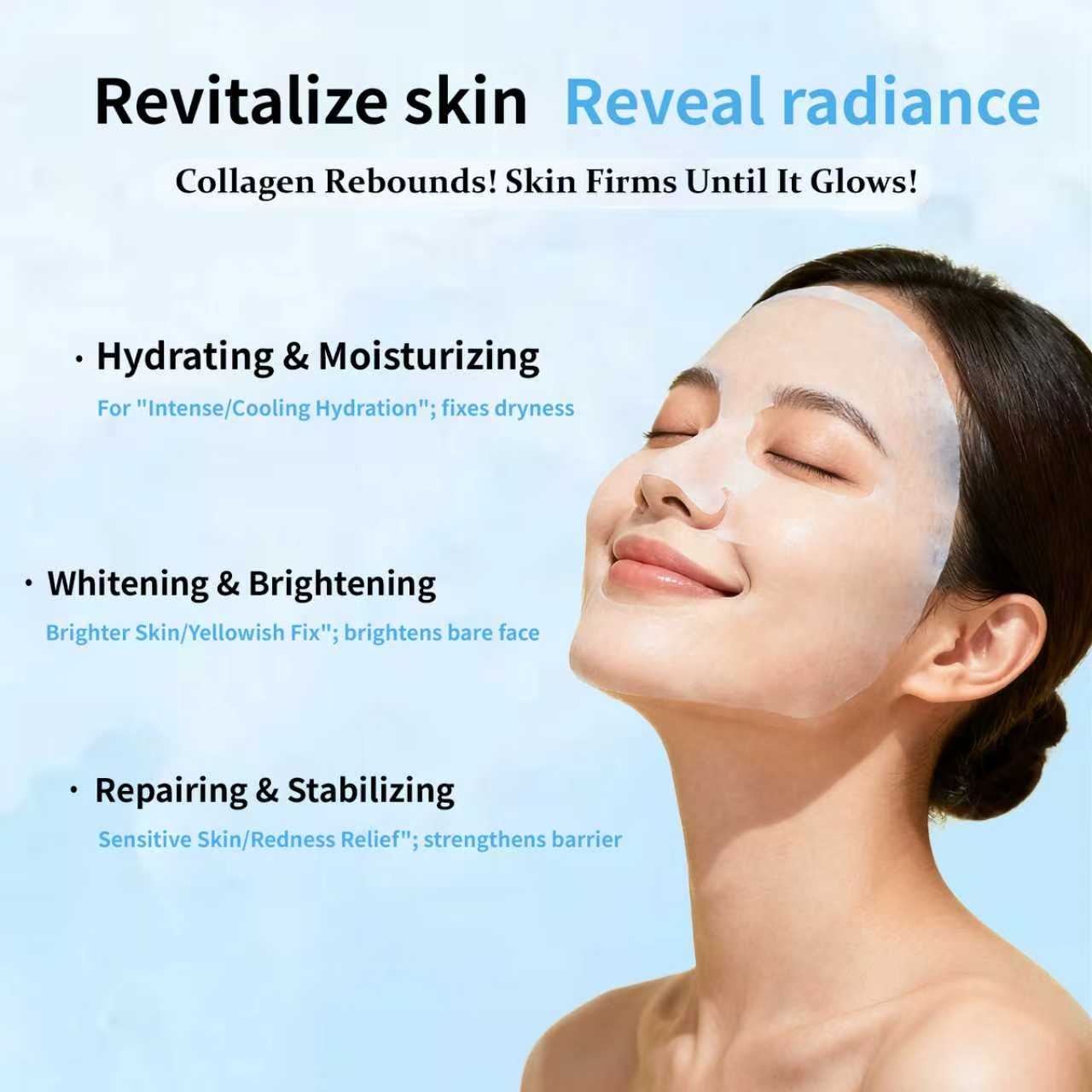
The conversation around sustainable beauty has moved far beyond packaging. Today, cotton pads are at the center of a broader rethinking of how everyday skincare tools can be made smarter, more effective, and more environmentally responsible. As consumers and brands alike scrutinize every step of their routines, cotton pads have emerged as one of the most discussed and reconsidered items in the bathroom cabinet. Understanding why requires a closer look at what cotton pads actually do, how they have evolved, and what genuinely sets a better cotton pad apart from a generic one.
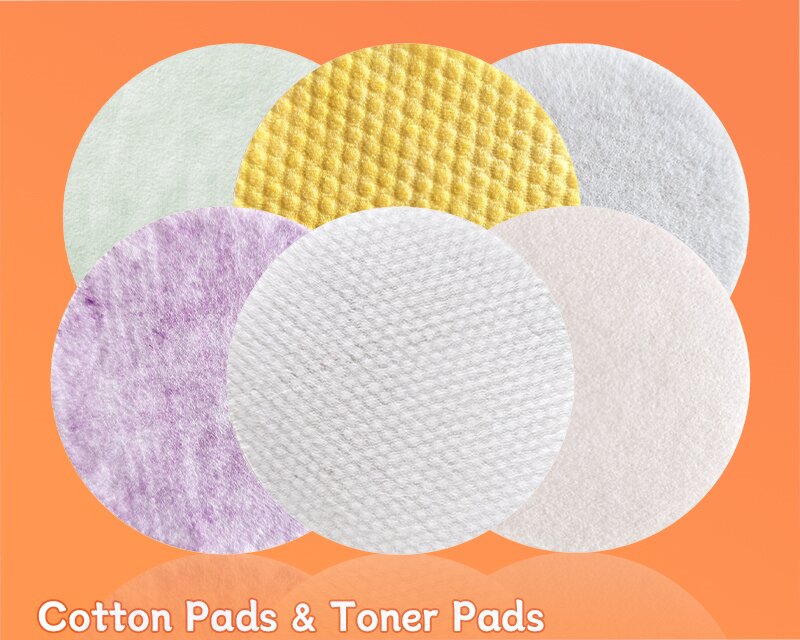
For decades, cotton pads were treated as a throwaway afterthought — cheap, disposable, and interchangeable. That perception is shifting. Modern cotton pads are designed with texture, absorbency, fiber quality, and skin compatibility in mind. Whether used for toner application, makeup removal, or targeted treatments, cotton pads now represent a deliberate choice in skincare, not just a convenience. This article explores the real factors that make cotton pads worth rethinking, from material science to daily application logic.
What Makes Cotton Pads More Than a Simple Tool
The Role of Fiber Quality in Skin Interaction
Not all cotton pads are made equal, and fiber quality is the first reason why. Cotton pads produced from 100% natural cotton offer a softer, more breathable surface compared to blended or synthetic alternatives. When cotton pads come into direct contact with skin, the fiber structure determines how gently they interact with the skin barrier. Rough or loosely woven cotton pads can cause micro-friction, which over time may irritate sensitive or reactive skin types. High-quality cotton pads minimize this risk by offering a denser, smoother weave that glides rather than drags.
Cotton pads also vary in their linting behavior. Lower-grade cotton pads tend to shed fibers during use, which can clog pores or leave residue on the skin. Premium cotton pads are engineered to resist linting while maintaining flexibility and softness. For anyone using cotton pads with active ingredients like exfoliating toners or serums, fiber integrity matters significantly — it affects both product delivery and post-use skin feel.
Absorbency and Product Efficiency
A frequently overlooked quality of cotton pads is their absorbency ratio. Cotton pads that absorb too aggressively will soak up product before it reaches the skin, leading to waste and inconsistent application. Well-designed cotton pads strike a balance — they hold enough product to enable smooth distribution without absorbing the majority of the formula. This is especially relevant for toner pads and essence application, where cotton pads serve as the delivery mechanism for water-based actives. Choosing cotton pads with controlled absorbency helps maximize every drop of product and ensures more consistent skincare results.
The Reusability Factor in Modern Skincare Thinking
Reusable Cotton Pads and the Sustainability Case
The shift toward reusable cotton pads reflects a wider movement in conscious consumption. Disposable cotton pads contribute to significant daily waste, particularly for users who incorporate multiple cotton pad steps into their morning and evening routines. Reusable cotton pads address this directly by offering washable, durable alternatives made from organic or recycled cotton. A set of reusable cotton pads can replace hundreds of disposable cotton pads over their lifespan, reducing both material waste and ongoing cost. For skincare brands targeting environmentally aware consumers, offering or recommending reusable cotton pads has become an expectation rather than a differentiator.
It is important to note that not all reusable cotton pads perform identically across repeated wash cycles. The quality of reusable cotton pads degrades if the fabric is not tightly constructed or if the cotton blend is not suited to frequent laundering. Well-made reusable cotton pads should retain their shape, absorbency, and softness after dozens of washes. When sourcing reusable cotton pads for retail or private label purposes, durability testing across multiple wash cycles is a necessary evaluation step.
Toner Pads as a Specialized Evolution
Toner pads represent a specific innovation within the broader cotton pads category. These are cotton pads pre-saturated with toning or exfoliating solutions, designed to simplify the skincare routine by combining the tool and the formula into one step. Toner pads typically feature a textured side for gentle exfoliation and a smooth side for soothing application, making them more functional than standard cotton pads used with separate toner. Their popularity in Korean beauty routines has driven global adoption, and they are now a growing segment in Western skincare markets as well. For B2B buyers, toner pads represent a high-margin product that appeals to convenience-driven consumers.
Practical Considerations for Sourcing and Retail
What B2B Buyers Should Evaluate in Cotton Pads
For businesses sourcing cotton pads for retail, private label, or professional use, several criteria deserve close attention. First, the cotton pads must meet material safety standards applicable to the target market — this includes testing for pesticide residues, bleaching agents, and synthetic additives that can cause skin reactions. Certified organic cotton pads offer greater traceability and are increasingly demanded by health-conscious retail buyers. Second, the packaging of cotton pads should reflect the product positioning — cotton pads marketed as premium or sustainable need packaging that communicates those values clearly to the end consumer.
Production consistency is another key concern when sourcing cotton pads at scale. Cotton pads must maintain uniform size, weight, and texture across production batches to ensure a reliable consumer experience. Inconsistent cotton pads — even if the formula or material is sound — will generate returns and erode brand trust. Requesting batch samples and establishing clear quality benchmarks before committing to large volume orders of cotton pads is a standard and necessary practice for responsible buyers.
Cotton Pads in Professional Skincare Settings
Beyond retail, cotton pads play a functional role in professional skincare environments such as spas, aesthetic clinics, and beauty salons. In these settings, cotton pads must meet higher standards for softness and sterility. Single-use cotton pads used during professional treatments should be individually wrapped or packaged in sealed units to prevent contamination. Cotton pads used for chemical peel application or post-treatment cleansing need to be especially lint-free and non-reactive. Sourcing the right cotton pads for professional contexts requires engagement with suppliers who understand clinical-grade requirements and can provide relevant certifications.
FAQ
What is the difference between regular cotton pads and toner pads?
Regular cotton pads are plain, dry pads used with separately applied skincare products, while toner pads are pre-soaked cotton pads that combine a toning or exfoliating formula directly within the pad. Toner pads often feature a dual-textured surface, making them a more convenient and multi-functional version of standard cotton pads.
How should reusable cotton pads be cared for to maintain quality?
Reusable cotton pads should be washed after each use with a gentle, fragrance-free cleanser or placed in a mesh laundry bag for machine washing. Avoiding high heat during drying helps preserve the fiber structure of reusable cotton pads. Proper care extends the lifespan of cotton pads and maintains their softness and absorbency over time.
Are cotton pads suitable for all skin types?
Yes, cotton pads made from 100% natural or organic cotton are generally suitable for all skin types, including sensitive skin. The key is to select cotton pads with a smooth, lint-free surface and avoid cotton pads that contain synthetic fibers or chemical treatments that may trigger reactions in reactive skin types.

 EN
EN


 Hot News