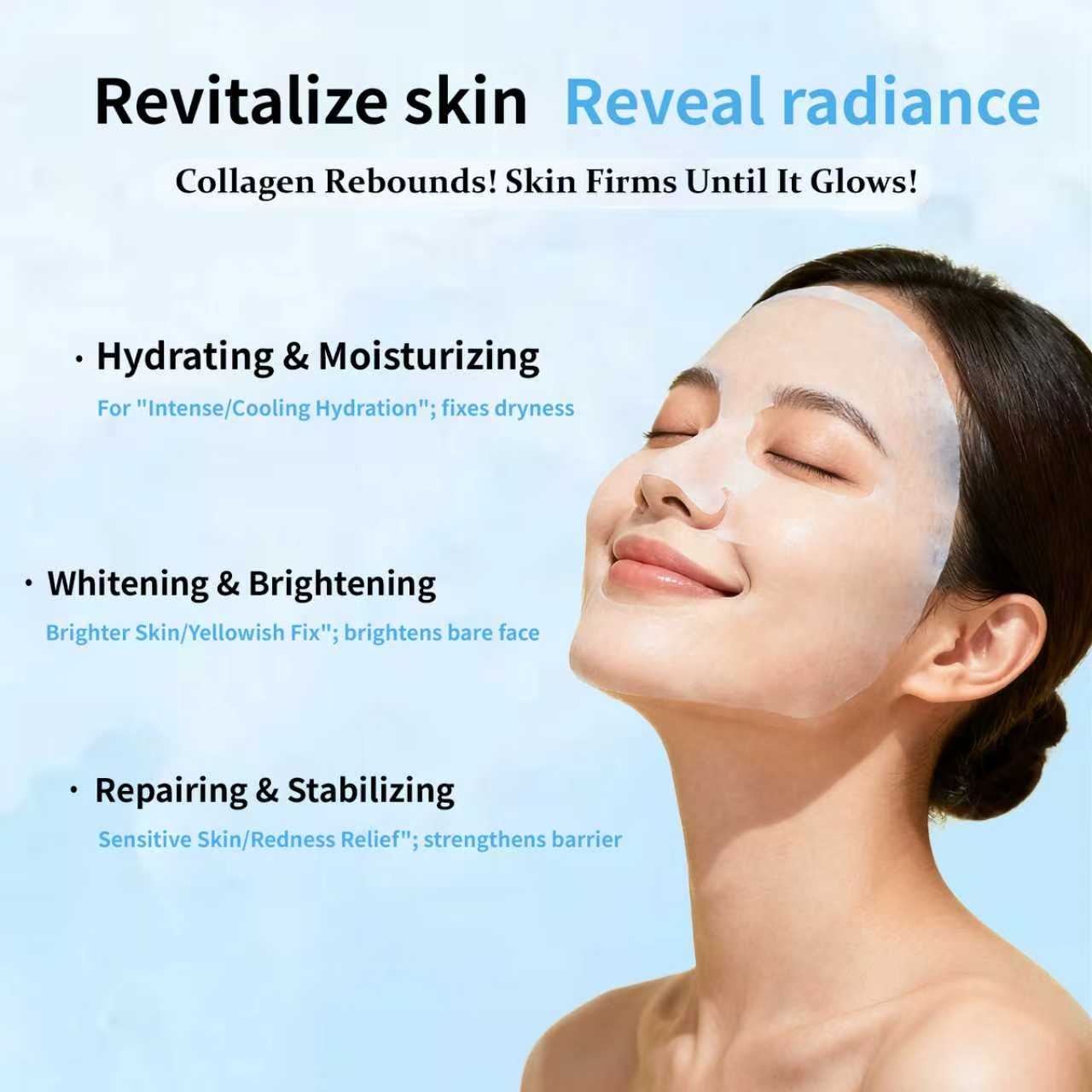
Key Material Properties That Define Hydrating Paper Face Mask Performance
Biocellulose vs. Bamboo Fiber vs. Cotton: Absorption Rate, Skin Conformity, and Moisture Lock-In
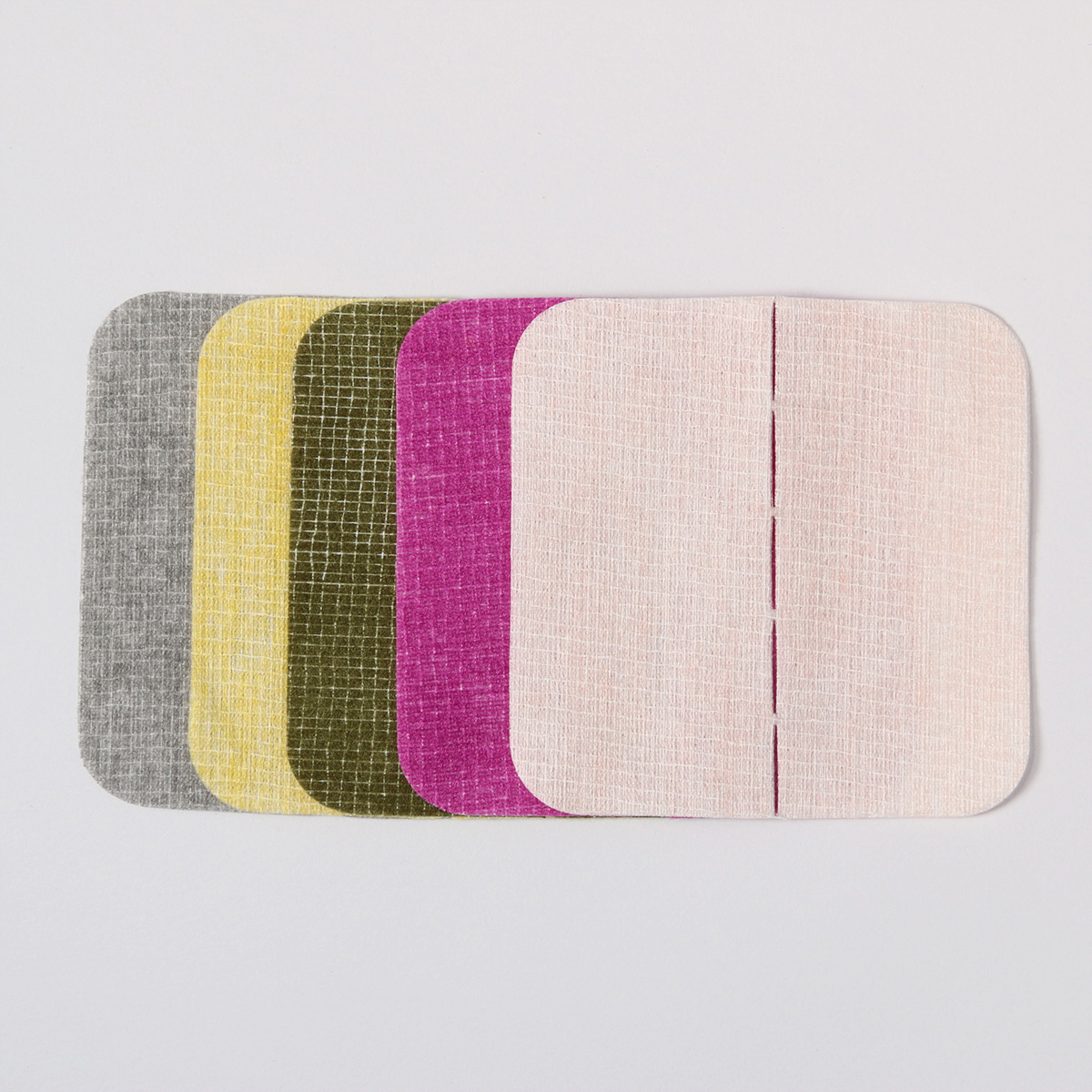
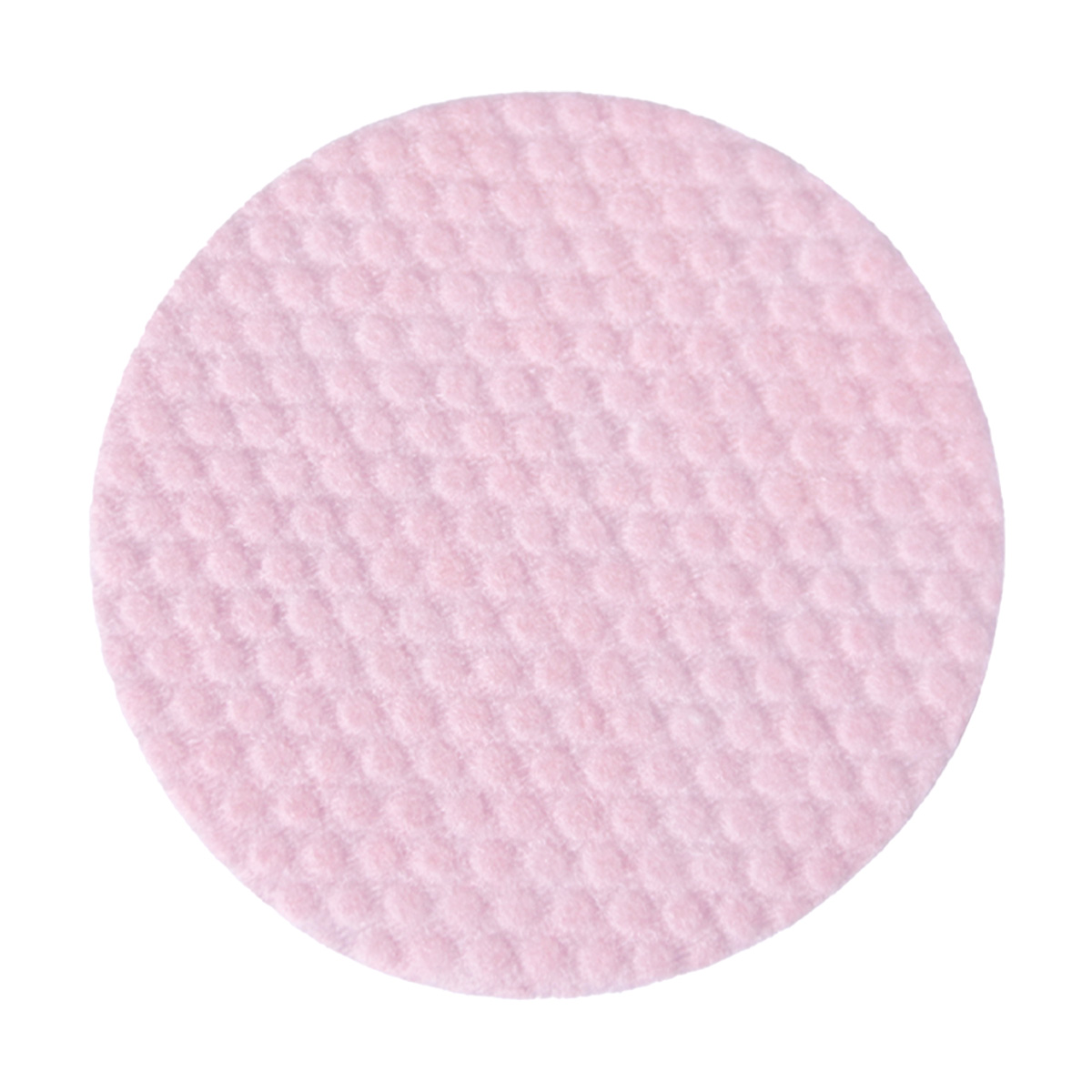
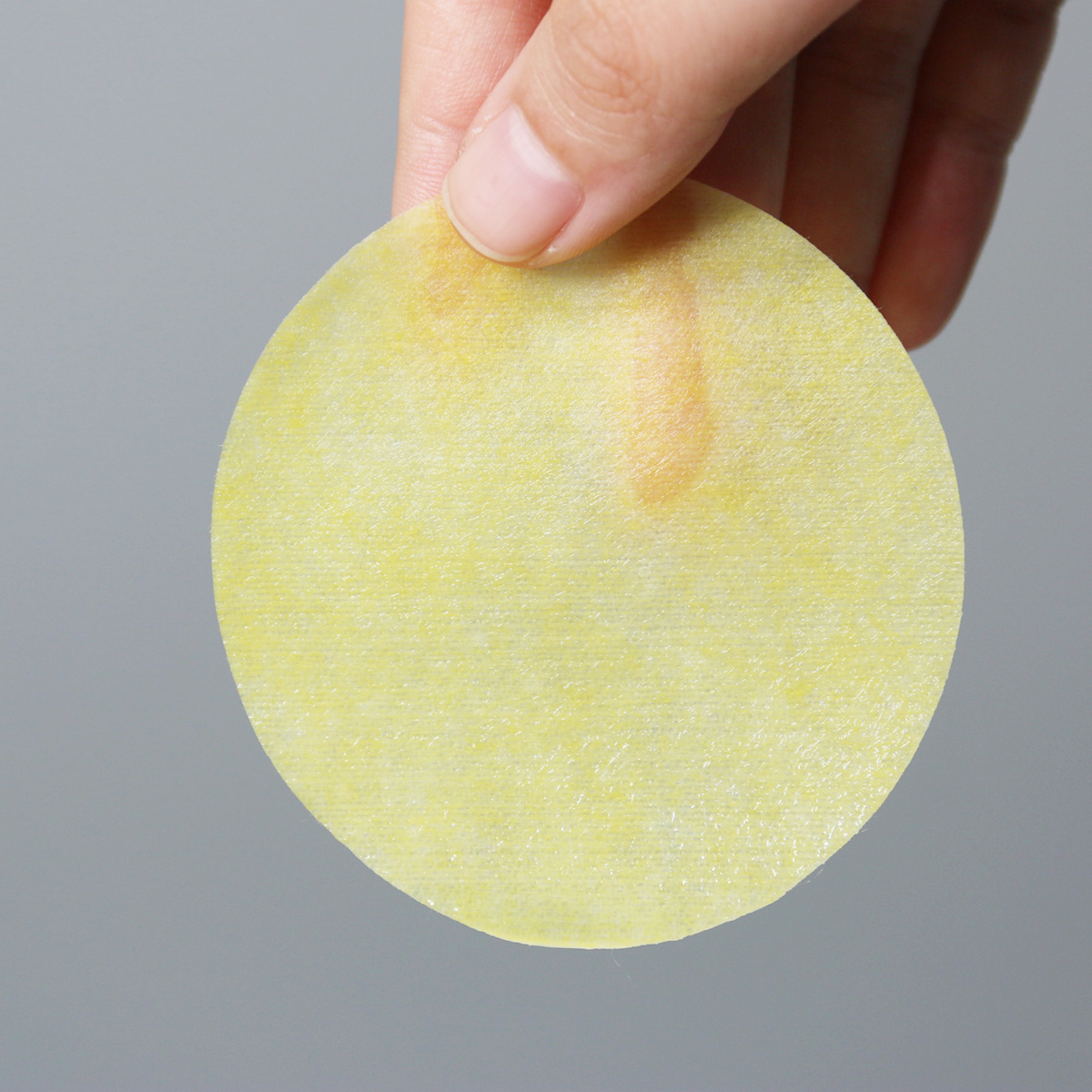
What materials go into making hydrating paper face masks really matters for how well they work. Take biocellulose, which comes from microbes fermenting stuff. It has this tight network of tiny fibers that mold right onto the face, almost like a second skin that still lets air through. Masks made with this stuff hold onto serums about 60% better than regular fibers and let active ingredients get deeper into the skin around 40% more effectively than bamboo or cotton alternatives. Bamboo is okay too, holding about 45% of hydration and being pretty eco friendly. But there's a catch sometimes because the way it's processed might leave impurities behind if not cleaned properly. Cotton is great for sensitive skin since it doesn't cause irritation much, but folks often notice around 30% of the serum drips off during application because the fibers aren't as tightly packed. Finding the sweet spot between quick absorption and proper moisture control is key. Too much moisture trapped against the skin can actually mess with the skin's natural balance, while not enough just means all that expensive serum goes to waste.
Non-Comedogenic Safety and Biodegradability Trade-Offs in Single-Use Hydrating Paper Face Masks
There's this ongoing problem with single-use products where they need to be both safe for skin and good for the environment. Most people care a lot about things breaking down naturally, with around 70 something percent wanting biodegradable options according to recent surveys. But getting those products not to clog pores usually means adding chemicals that actually make them harder to compost, sometimes cutting compostability by half based on what the 2023 cosmetic research found. Let's talk specifics: bamboo breaks down quickest, taking about eight weeks in soil conditions, though it might leave behind allergy-causing stuff unless properly cleaned up first. Biocellulose takes longer, around twelve weeks to decompose, but stays cleaner making it better suited for folks with sensitive or acne-prone skin. A big issue remains with petroleum-based glues used in nearly 70% of face masks to keep them from falling apart during use. These substances can block pores and stick around landfills for almost a year and a half. Some companies are starting to switch to enzyme-treated cellulose structures instead. They maintain the necessary strength while still breaking down naturally, all without needing synthetic ingredients. Still, adoption across the industry has been slow going despite these benefits.
Formulation Integrity: Active Ingredients and Regulatory Compliance for Hydrating Paper Face Masks
Clinically Validated Hydration Actives: Hyaluronic Acid Gradients and Glycerin Synergy (TEWL Evidence)
The real workhorses when it comes to keeping skin hydrated are clinically tested ingredients like hyaluronic acid (HA) and glycerin. What makes these so effective is how they work together at different levels. Lower molecular weight HA actually gets into the outer layer of skin, while the heavier molecules sit on top forming a protective shield. When combined with glycerin's ability to pull moisture from the air, skin can hold onto water about 40% better than products with just one ingredient doing all the work. Studies measuring transepidermal water loss show skin stays significantly less dry after application, around 25 to 30% improvement. Plus there's an extra bonus as the skin's natural barrier gets reinforced against moisture loss. Most dermatologists recommend keeping the HA to glycerin ratio around 2 to 1 in formulas. Going beyond that usually doesn't help much and might even leave skin feeling sticky instead of soft.
Fragrance-Free, Hypoallergenic, and Region-Specific Certifications (Korea MFDS, Japan PMDA, EU CPNP)
Global market access hinges on region-specific regulatory alignment. Fragrance-free, hypoallergenic formulations are non-negotiable, eliminating all 26 EU-identified common allergens. Three certifications serve as gateways to key markets:
-
Korea MFDS mandates preservative efficacy testing and animal-free clinical trials
-
Japan PMDA requires stability testing under extreme temperature conditions
-
EU CPNP enforces full ingredient traceability and mandatory disclosure of nanomaterials
Non-compliant products face a 74% higher recall risk. Brands targeting multiple regions must adapt pH (4.5–5.5 preferred in Asia vs. 5.0–6.0 in the EU) and preservative systems accordingly. Third-party hypoallergenic certification—backed by repeat patch testing—reduces adverse reaction incidence by 90% and has become a decisive trust signal for discerning consumers.
Supplier Vetting Essentials: Transparency, Scalability, and Quality Assurance for Hydrating Paper Face Masks
GMP Certification, Ingredient Traceability, and Batch Stability Testing as Non-Negotiables
When choosing suppliers, companies need to check off three key quality areas that work together. First up is GMP certification, which shows a supplier follows global standards for cleanliness, record keeping, and process controls. This matters a lot when making masks with high moisture content because it helps stop germs from getting into the product during manufacturing. For ingredients, good tracking systems matter too. Some companies use blockchain technology or connect their systems with enterprise resource planning software. These tools let manufacturers track materials all the way from where they come from to the final product. According to Quality Management Review in 2023, this kind of transparency can cut down on recall costs by almost half compared to supply chains where nobody knows what's going on. Testing batches under stress conditions like storing them for three months at 45 degrees Celsius and 75% humidity tells us if the masks will stay hydrated properly, remain safe from microbes, and keep their serum intact until they reach consumers. Companies that skip these checks risk fines from regulators, customers getting different experiences with the product, and damage to their brand reputation. Smart manufacturers don't just ask for paperwork they want actual proof that these procedures are being followed properly before bringing new suppliers onboard.
Regional Market Alignment: Matching Hydrating Paper Face Mask Attributes to Consumer Expectations
What people want from hydrating paper face masks varies quite a bit depending where they live, which means companies need to get pretty specific about what features matter most in each region. The Asia Pacific market really wants those fancy ingredients these days. Think things like complex hyaluronic acid blends and sheets loaded with ceramides. Brands there also need approval stamps from Korean and Japanese regulators before anyone will take them seriously. Over in Europe, green credentials are basically table stakes now. Most customers expect their masks to come from biodegradable materials, have that EU allergy registration mark, and sit in packaging that actually gets recycled instead of ending up in landfills. North Americans tend to ask for proof behind all the marketing claims. They hunt down details about how much moisture loss gets reduced, want to see factory certifications, and care deeply about knowing exactly where every ingredient came from. For mask makers trying to sell globally, understanding all these local rules and being able to tweak formulas for different climates is absolutely critical. Just imagine having to make a thicker serum for humid tropical regions while keeping it light enough for arid desert conditions somewhere else entirely.
Frequently Asked Questions
What are the benefits of using biocellulose in face masks?
Biocellulose offers superior absorption and skin conformity, holding onto serums 60% better than conventional fibers, helping active ingredients penetrate the skin more effectively.
How does the biodegradability of mask materials differ?
Bamboo fibers dissolve in about eight weeks but may leave impurities, while biocellulose takes around twelve weeks to break down, being more suited for sensitive skin.
What should be the HA to glycerin ratio in face mask formulations?
Most dermatologists suggest maintaining a 2 to 1 HA to glycerin ratio to achieve optimal moisturization without leaving the skin feeling sticky.
Why is regional compliance important for face mask brands?
Regional compliance ensures safety and acceptance across different markets. Non-compliance can lead to increased recall risks and loss of consumer trust.

 EN
EN
 Hot News