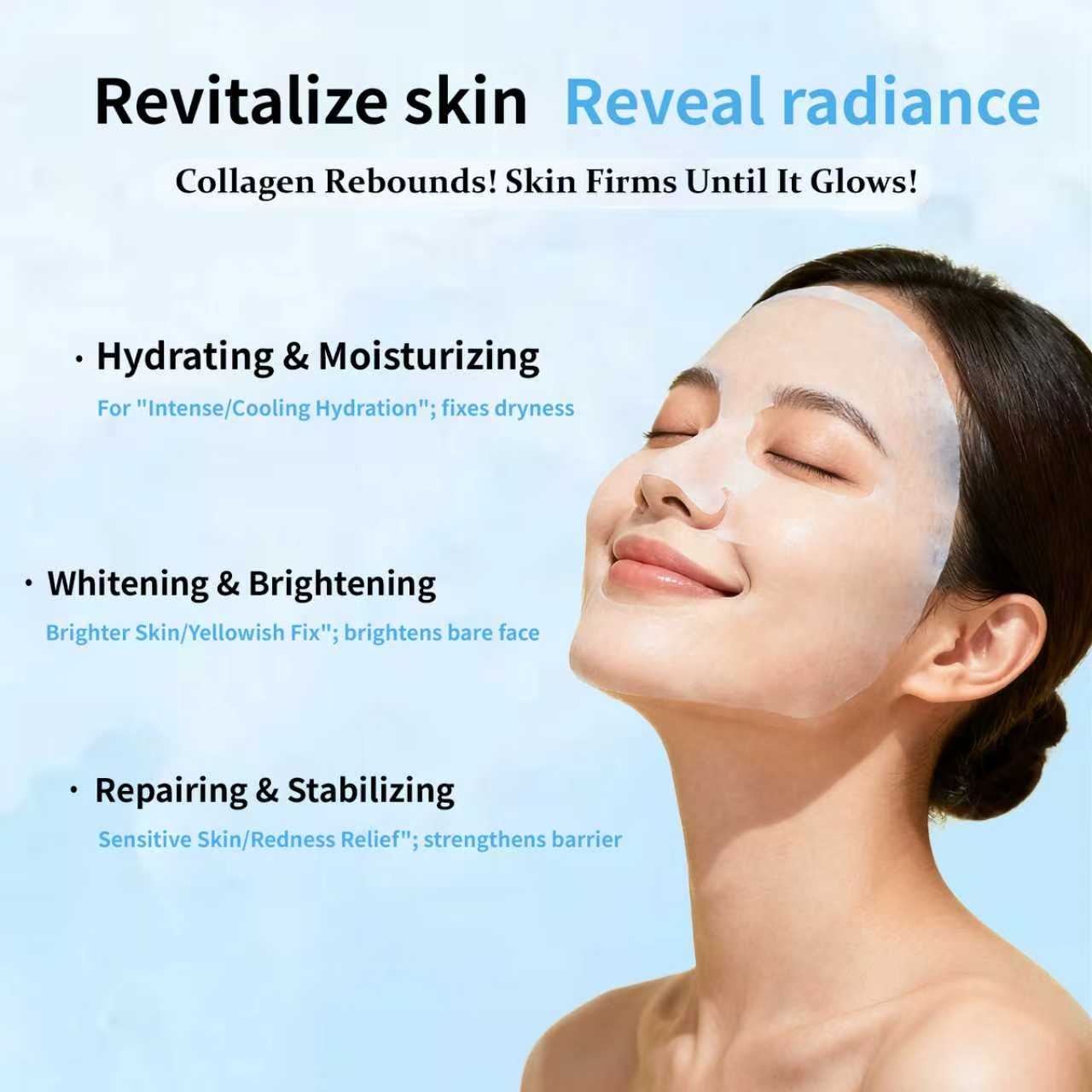
Filtration Performance of Tissue Paper Face Mask Against Respiratory Aerosols
Lab Test Results: Particle Capture Efficiency for 0.3–5 µm Aerosols
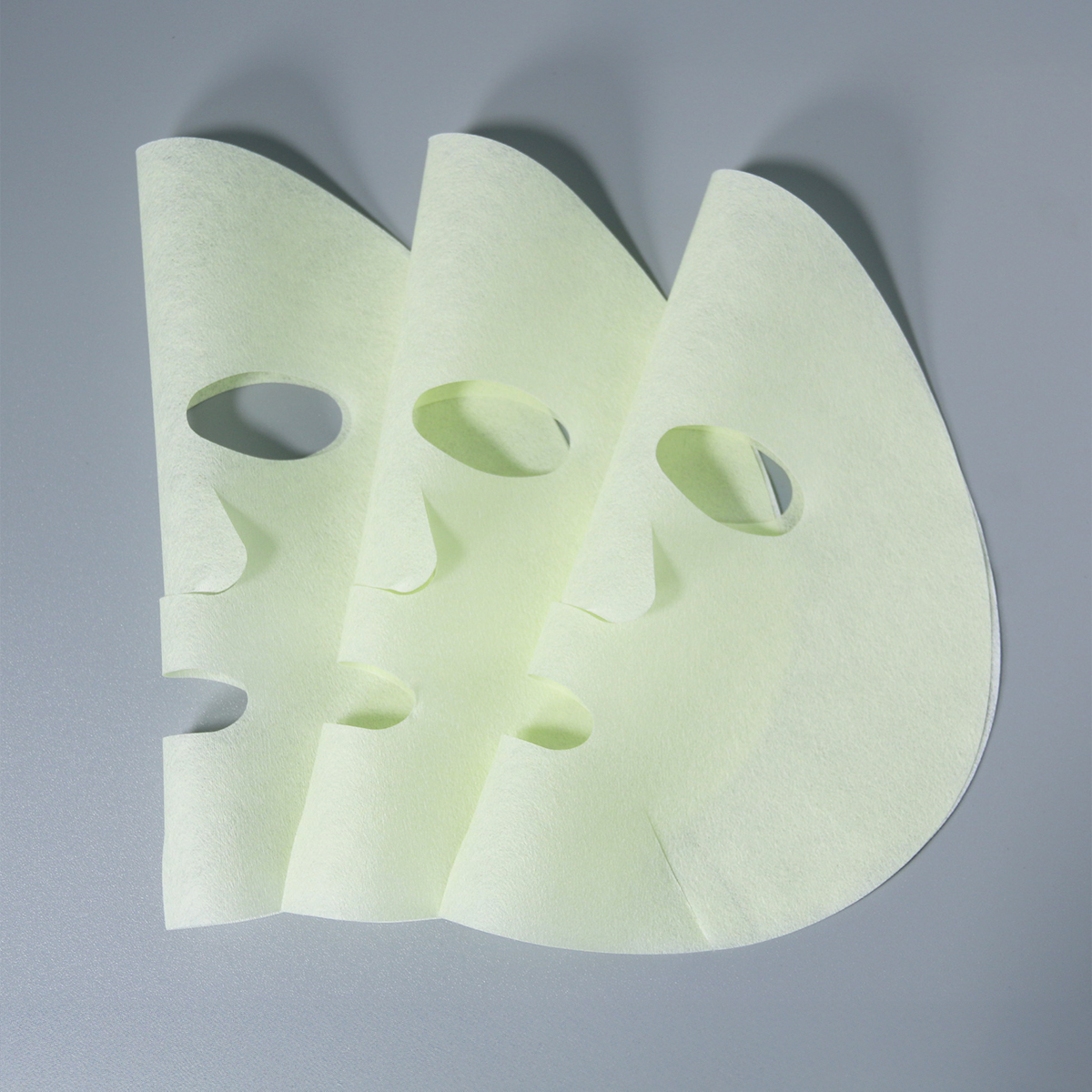
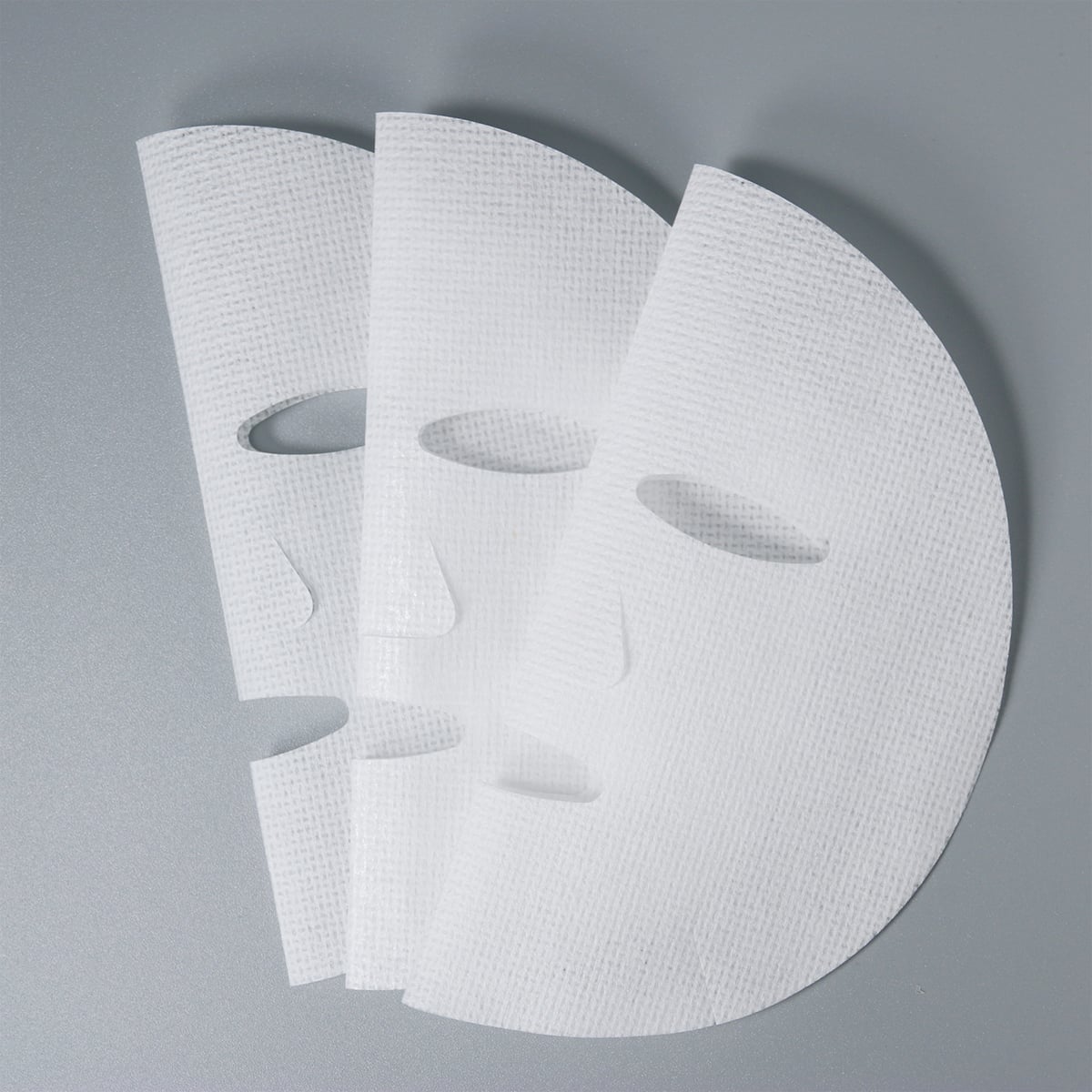
Tests in labs show that regular tissue paper masks don't filter very well at first against those tiny droplets we breathe out when talking or coughing. They only catch around 30 to 45 percent of particles between 0.3 and 5 microns wide, which happens to be exactly the size viruses travel in. These basic masks miss out on something important that proper respirators have those special layers that help grab even smaller particles through static electricity. What really kills their effectiveness is our own breath moisture. After just half an hour of wearing one, the mask's ability to stop germs plummets below 20 percent as water vapor soaks into the paper fibers. By the time someone wears it for a full hour, most masks become almost useless against all kinds of airborne particles.
Critical Limitations: Rapid Degradation Under Humidity and Poor Structural Integrity
Tissue paper face masks suffer severe structural instability under realistic use conditions. At 60% relative humidity matching typical exhaled breath material rigidity decreases by over 70% within 15 minutes, leading to:
- Collapse against the mouth and nose, increasing airflow resistance
- Widening gaps along cheek contours (3 mm)
- Fiber disintegration releasing inhalable particulates
Wet tissue paper sheds up to 12× more inhalable cellulosic fragments than dry conditions. Combined with its already low baseline filtration (<50%), this creates net negative protection increasing overall respiratory exposure rather than reducing it.
Tissue Paper Face Mask vs. Certified Respiratory Protection
Surgical Masks (ASTM F2100 Level 3) and KN95/N95 Respirators: Benchmark Filtration & Fit Standards
Respiratory protection that has been officially certified actually hits certain performance standards that just aren't there when people make do with whatever they can find. Take ASTM F2100 Level 3 surgical masks for instance. These things block at least 98 percent of bacteria and also stop around the same percentage of tiny particles as small as 0.1 microns. Plus they handle fluids pretty well too during those tests. Then there are NIOSH approved N95 respirators which catch about 95% of those tricky 0.3 micron aerosol particles that tend to slip through other materials. What makes all this really important is that proper fitting gets checked out through specific protocols where testers move around while wearing them to ensure the seal stays tight. Tissue paper on the other hand doesn't go through any kind of standard testing process whatsoever when it comes to how well it filters stuff or holds together under normal conditions.
Fit Factor Gap: <10% Seal Integrity in Tissue Paper Face Mask vs. >80% in Properly Fitted N95
The seal around the face makes all the difference when it comes to how well masks actually work. Regular tissue paper masks barely reach 10% effectiveness because they just fall apart when someone breathes in, creating lots of little escape routes for air. Tiny spaces form around the nose area and cheeks, letting over 90% of air bypass whatever filtering material exists inside these cheap masks. That means even if some particles get caught, most don't stand a chance against those gaps. On the other hand, good quality N95 respirators approved by NIOSH can hold onto their shape much better, keeping about 80% of air from leaking out. These masks have adjustable nose pieces and stretchy bands that help them stick closer to the face, so leakage drops below 2%. This kind of solid construction explains why N95s perform so much better in situations where tiny airborne particles are spreading disease.
Hidden Risks: Particle Shedding and Respiratory Exposure from Tissue Paper Face Mask Use
Microfiber Release Confirmed via SEM: Wetted Tissue Paper Generates Inhalable Cellulosic Debris
When people breathe normally while wearing tissue paper face masks, the moisture from their breath causes these masks to break down pretty quickly. Studies using scanning electron microscopy have shown that as the mask degrades, it actually releases tiny cellulosic particles smaller than 10 microns right into where someone is breathing. These microscopic fibers manage to get past whatever protection remains in the damaged mask material and end up going deep into the lungs. Even though these are natural materials rather than synthetic plastics like microplastics, they can still cause inflammation problems for people with sensitive respiratory systems. Asthmatics and those suffering from COPD might find themselves dealing with additional irritation because of these particles floating around inside their masks.
| Risk Factor |
Tissue Paper Face Mask Impact |
| Particle Size |
0.5–10 µm cellulosic fibers |
| Release Mechanism |
Hydraulic stress from breath moisture |
| Exposure Pathway |
Direct inhalation through mask material |
Shedding intensifies with prolonged use, creating cumulative exposure risks. Structural disintegration also accelerates fit failure enabling simultaneous exposure to external pathogens and internally generated particulates a dual-exposure hazard unique to degraded, non-certified barriers.
When Might a Tissue Paper Face Mask Be Considered? Contextual Guidance for 2026
Tissue paper face masks really aren't worth considering except in those rare situations where there's absolutely nothing else available. Even then, they should just be used as a stopgap solution until better options can be found. These masks might catch a few droplets during quick, low risk activities like picking up mail from a mailbox in a nicely ventilated space. But don't expect them to work at all in hospitals, crowded places, or anywhere someone needs protection over an extended period. The problem is these paper masks fall apart fast when they get damp from breathing or humidity. They lose most of their filtering ability within about 15 minutes of being worn, and they barely stay on the face properly anyway. If someone has to wear one by accident, try to keep it under five minutes max and definitely avoid talking or coughing while wearing it. And watch out for humid conditions too since performance drops off sharply above 40% humidity. Whenever dealing with possible germs, airborne particles, or anyone standing close enough to share breath, switch immediately to proper surgical masks rated at level 3 according to ASTM standards or NIOSH approved respirators that actually maintain good filtration rates over time. Just because something is easy to find doesn't mean it works well enough. Paper masks in emergencies simply won't protect against serious respiratory threats.

 EN
EN
 Hot News