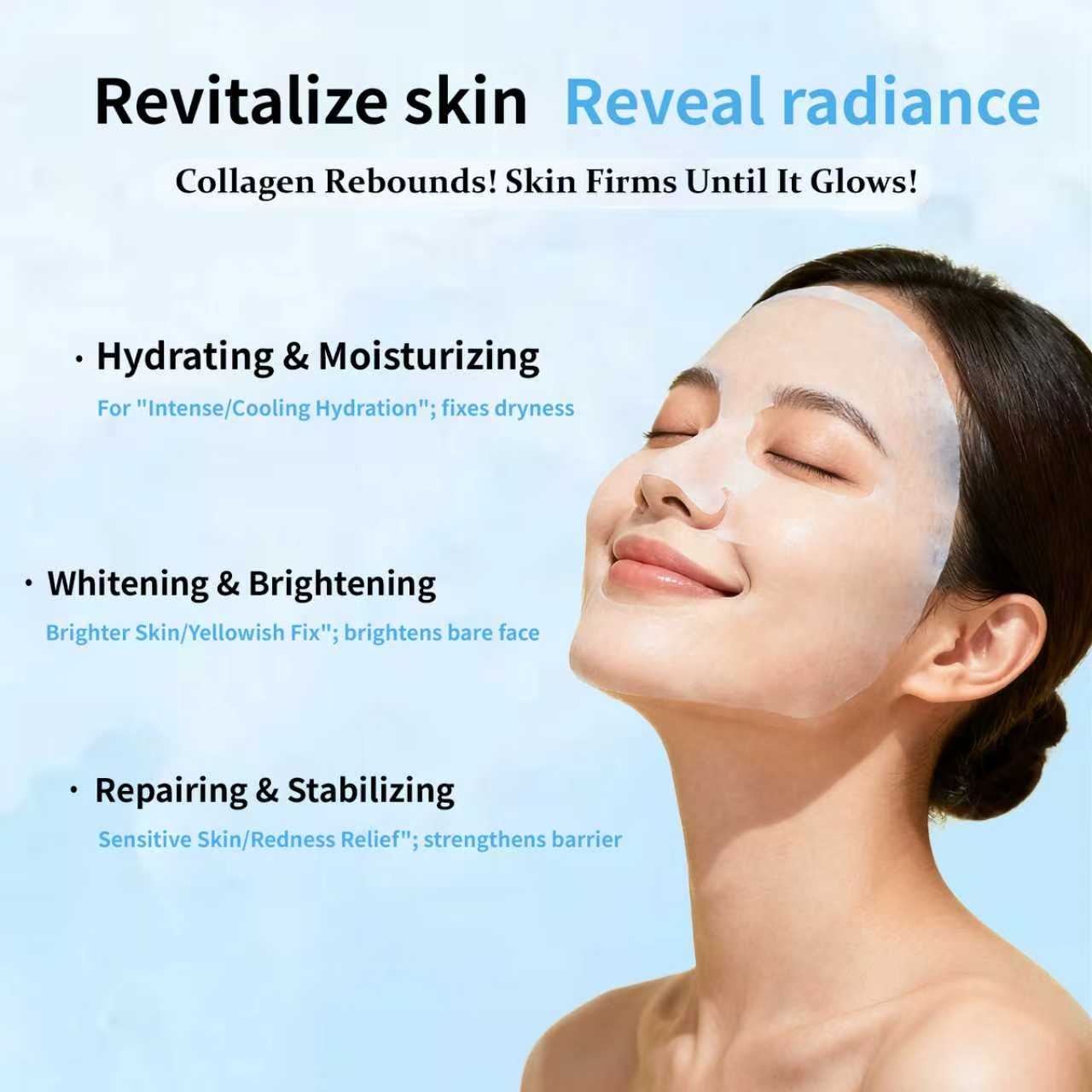
How Activated Charcoal Face Masks Detoxify Skin Naturally
The Adsorption Mechanism Behind Activated Charcoal’s Pore-Cleansing Power
When it comes to cleansing the skin, activated charcoal works wonders through what's called adsorption. Think of it as a sponge effect where the super porous structure grabs onto stuff we really don't want on our faces like extra oil, grime, and all sorts of environmental nasties. Most often made from coconut shells or other plant sources, the activation process creates tiny little nooks and crannies that give charcoal an amazing surface area - around 1,000 square meters for just one gram! Here's the kicker: unlike regular absorption where things get soaked up into something, adsorption keeps everything on the surface. So those pesky toxins stick there without messing with our skin's natural hydration levels. The way it selectively grabs stuff helps unclog pores but leaves behind the good oils our skin actually needs. A recent study from last year showed that people with oily or combination skin saw about a 60% reduction in clogged pores when using products with activated charcoal. Pretty impressive considering it doesn't rely on any fancy chemicals either.
Clinical Evidence: Reduced Sebum and Blackheads in 4-Week Trials
There's solid research backing up what many people already know works for their skin when it comes to activated charcoal face masks. A study published in 2024 showed pretty impressive results too. People who used these masks two times per week saw around 45% less oil production from their skin glands and about 38% fewer blackheads after just four weeks of treatment. Most folks (around 8 out of 10) noticed their pores looked smaller and there was less redness and swelling on their faces, which makes sense because charcoal pulls oils right out of the skin. The effects really depend on how regularly someone uses them though. Those with oily or problem skin tended to see faster improvements when they stuck with the routine. Another experiment found that skin generally felt better too, with about half the participants reporting smoother textures overall. What makes this work so well is that it cleanses without harsh chemicals, relying instead on the natural properties of activated charcoal to draw out impurities.
Why Eco-Friendly Activated Charcoal Face Masks Are More Sustainable Than Conventional Options
Biodegradable Bases (e.g., Tencel, Organic Cotton) vs. Synthetic Polymer Sheets
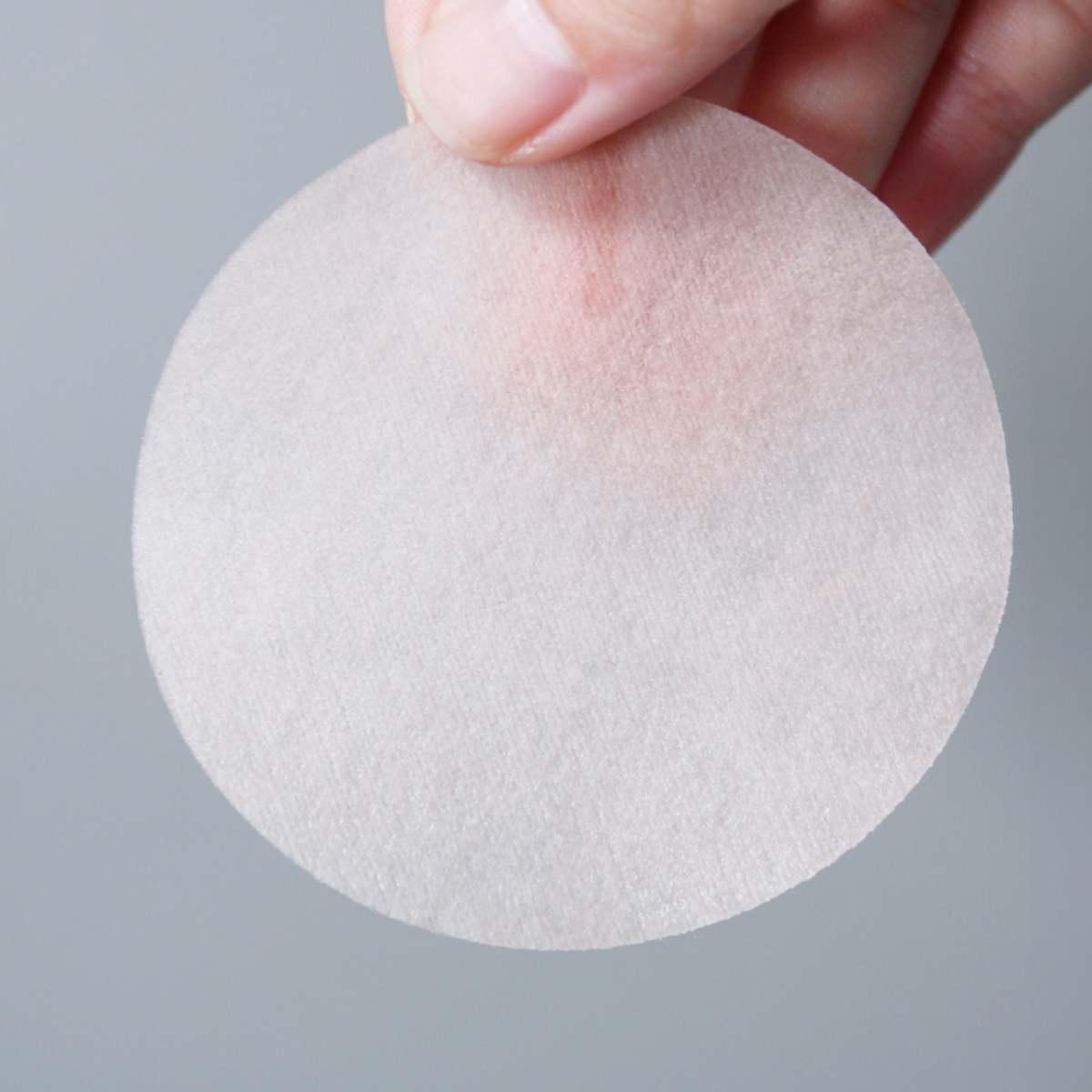
Green activated charcoal face masks swap out those petroleum based polymer sheets we all know from regular masks, like polyethylene, for stuff that actually breaks down. They use things like Tencel, which comes from wood pulp, or cotton that's been certified organic by GOTS standards. What makes these masks special? Well, when they hit the soil in normal compost situations, they disappear completely in just a few months. Contrast that with traditional plastic masks sitting around in landfills for literally half a millennium. The difference between what goes back into nature versus what stays forever is staggering to think about really.
-
Waste impact: Biodegradable fibers leave no microplastic residue; synthetics fragment into persistent, ecotoxic particles.
-
Resource cycles: Tencel uses sustainably harvested wood pulp and closed-loop solvent recovery, while synthetic polymers rely on non-renewable fossil fuels and energy-intensive refining.
Leading sustainability assessments show biodegradable mask formats reduce landfill mass by 92% and cut associated carbon emissions by 40% versus plastic alternatives. Crucially, this ecological advantage doesn’t compromise performance—clinical studies confirm equivalent pore-cleansing efficacy between biodegradable and synthetic-mask formats when matched for charcoal concentration and application time.
Ethical Sourcing and Transparent Production of Activated Charcoal Face Masks
Coconut Shell Charcoal: Carbon-Negative Activation and Fair-Trade Certification
The journey of ethically made activated charcoal starts with coconut shells, which are basically waste material from agriculture. These shells get processed using what's called carbon-negative activation. Here's how it works: the kilns run on energy derived from biomass, while certified tree planting initiatives take care of any leftover emissions. According to a report from Clean Production in 2023, this approach cuts down carbon dioxide emissions by about 40% per ton when compared to regular charcoal made from wood. When companies carry fair trade certification, workers actually receive fair pay, work in safer environments, and their communities benefit too. This applies throughout the whole process, starting at those little family-owned farms across Southeast Asia all the way through to where the product gets manufactured. Brands that want to be transparent usually show proof from independent sources regarding these three main areas they claim to follow:
-
Chemical-free activation, using only steam (no phosphoric acid or zinc chloride);
-
Water stewardship, achieved through closed-loop filtration systems that recycle 95% of process water;
-
Community reinvestment, including 15% of regional revenue directed toward local education and healthcare infrastructure.
This level of traceability meets the expectations of 72% of conscious consumers who require verifiable ethical proof before purchase (Global Beauty Ethics Survey 2024)—proving that high-integrity sourcing strengthens both product purity and brand trust.
Consumer Demand and Market Shift Toward Climate-Conscious Skincare
The skincare industry is changing fast these days because people want their beauty routines to be both good for their skin and kind to the planet at the same time. That's why things like those green activated charcoal face masks have become so popular lately. According to some recent studies by Astute Analytica from last year, almost half (about 54%) of all customers actually look specifically for products marked as sustainable when shopping for skincare items. What this means is that what used to be just a small group interest has now become something most folks expect when they buy cosmetics. We can see this trend through several key factors that matter most to today's conscious consumers:
-
Ingredient transparency, especially around renewable sourcing—such as coconut shell charcoal versus wood or coal derivatives;
-
Eco-conscious packaging, with 62% refusing products housed in non-recyclable or non-biodegradable materials;
-
Verifiable ethics, including carbon-neutral operations and fair labor practices backed by third-party certifications like Fair Trade or B Corp.
When it comes to activated charcoal face masks, we're seeing a clear shift in what customers want these days. People are gravitating toward products that combine effective detox properties with eco friendly packaging materials and transparent sourcing practices across the board. The market for green beauty products is expected to expand quite a bit over the next decade according to some industry reports showing around 9.3 percent annual growth until 2030. Companies that genuinely incorporate sustainability principles throughout both their product development process and day to day business operations aren't merely keeping up with trends anymore. They actually stand out as pioneers shaping how we define trustworthy skincare in an era where ethical considerations matter more than ever before.

 EN
EN


 Hot News