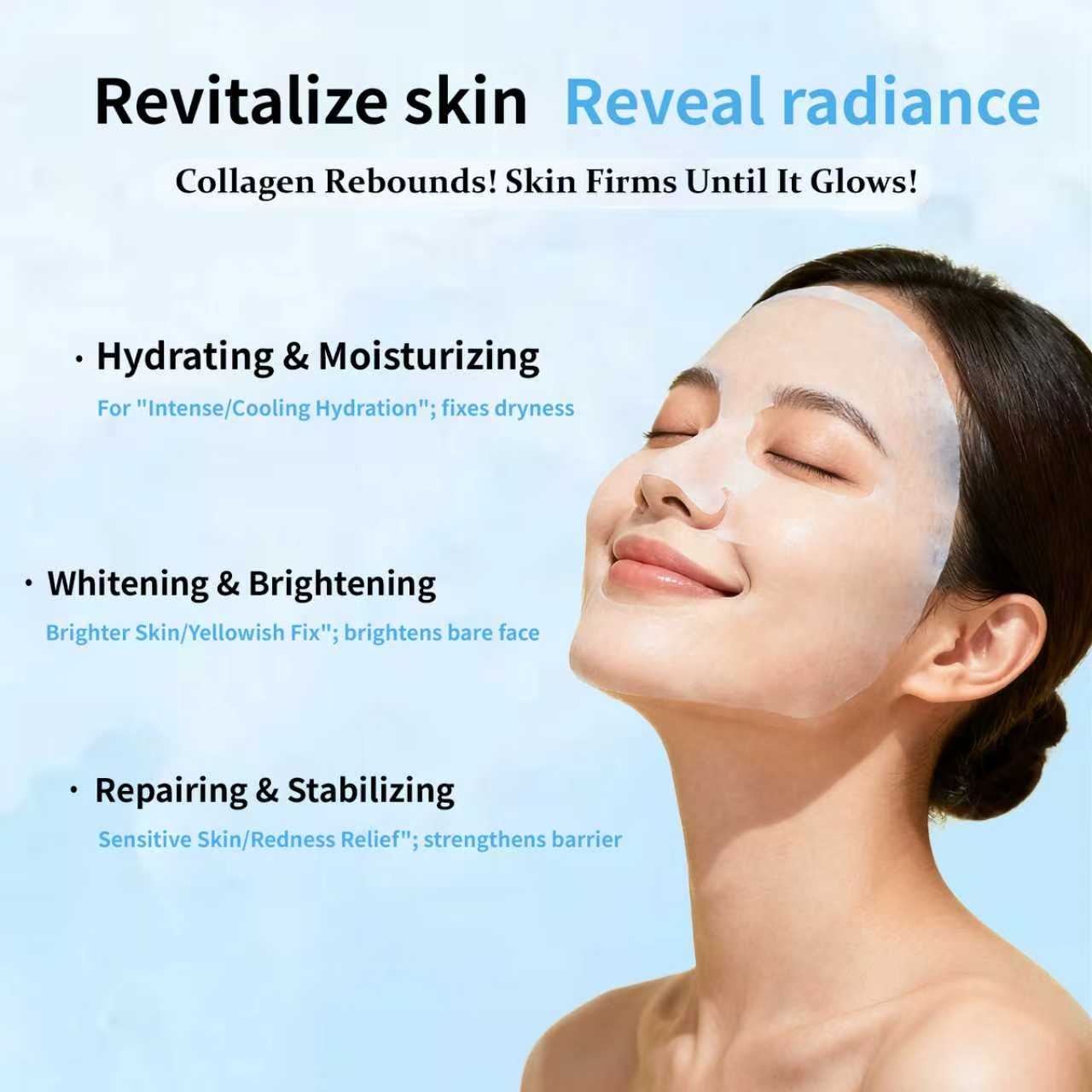
The tissue paper face mask has become one of the most talked-about formats in modern sustainable skincare. As consumers grow more conscious of what they apply to their skin and how those products affect the environment, the tissue paper face mask stands out as a format that bridges effective skincare with genuine eco-responsibility. Understanding its role in eco-friendly beauty routines helps both consumers and formulators make smarter, more sustainable choices.
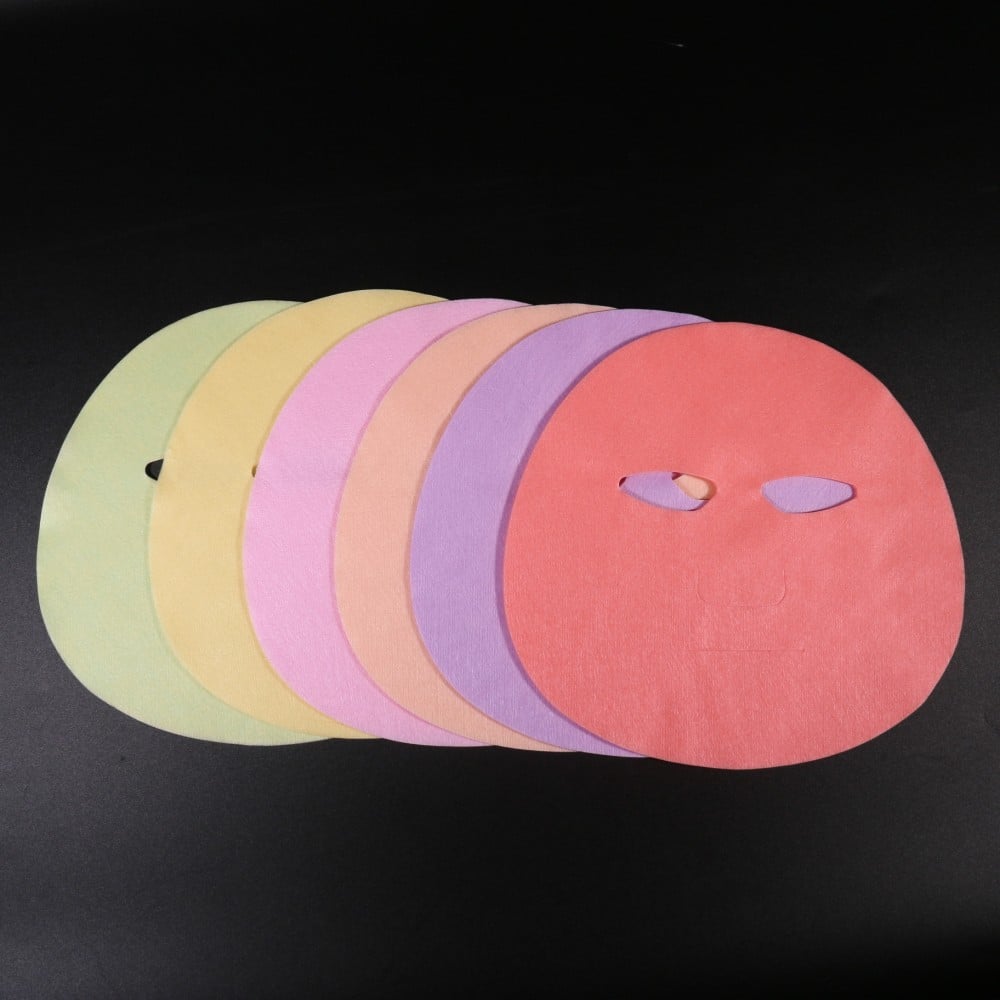
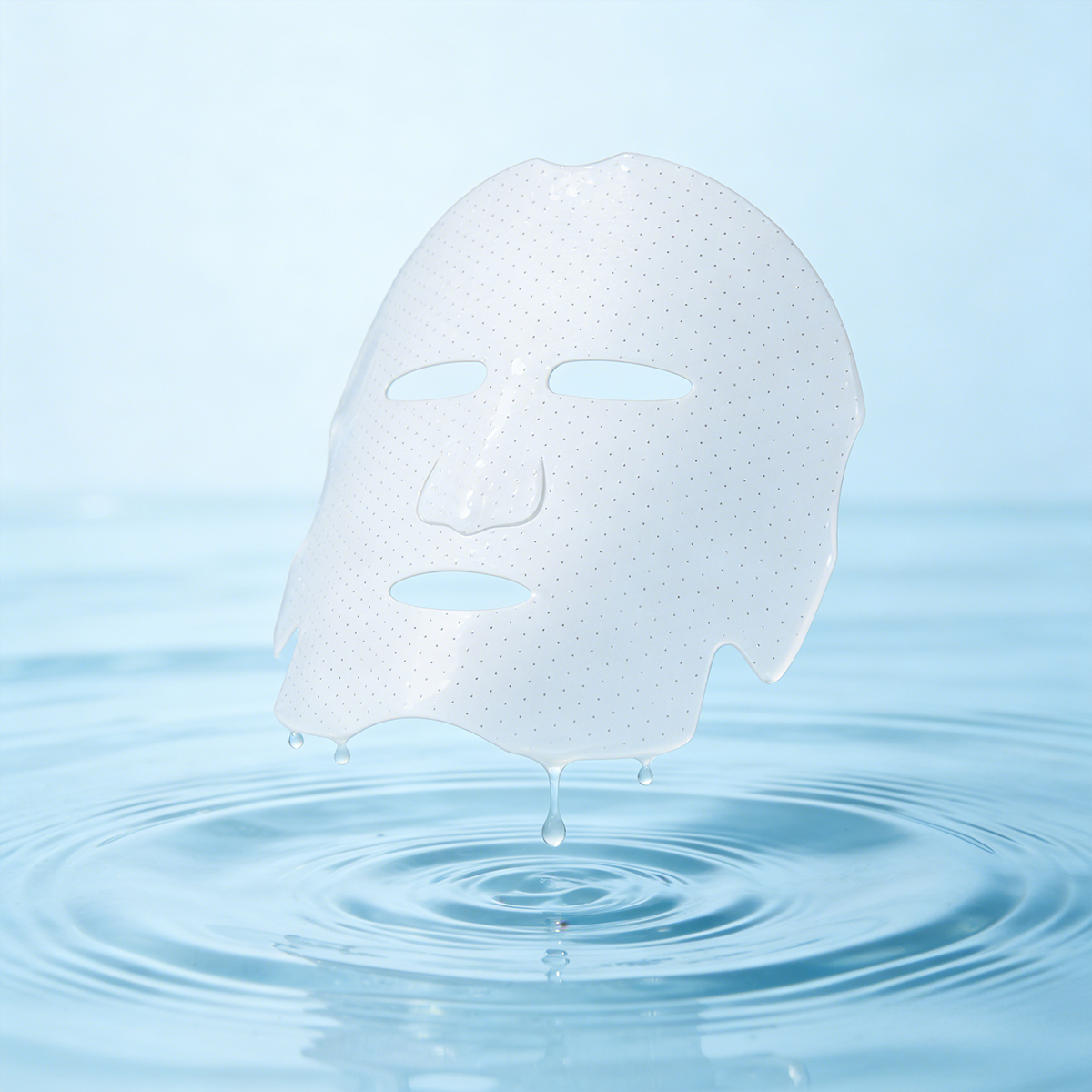
A tissue paper face mask uses a thin, plant-derived fiber sheet as its carrier substrate, allowing concentrated serums and botanical actives to be held close to the skin for enhanced absorption. Unlike rinse-off formats or synthetic sheet masks, a well-formulated tissue paper face mask can be crafted from biodegradable materials that reduce long-term waste. This combination of performance and environmental responsibility is precisely why the tissue paper face mask has earned a central role in the eco-friendly skincare conversation.
What Makes a Tissue Paper Face Mask Eco-Friendly
Plant Fiber as the Foundation
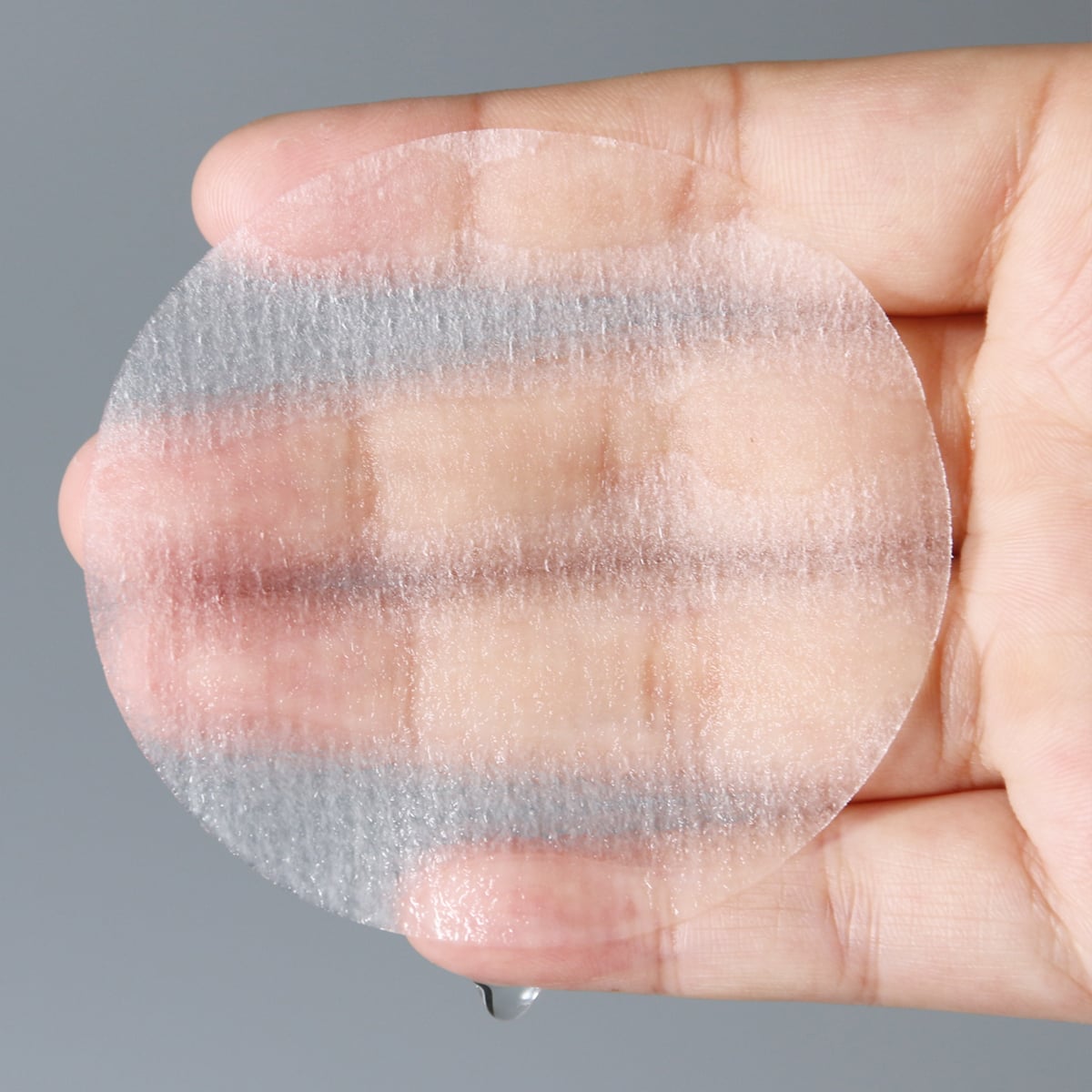
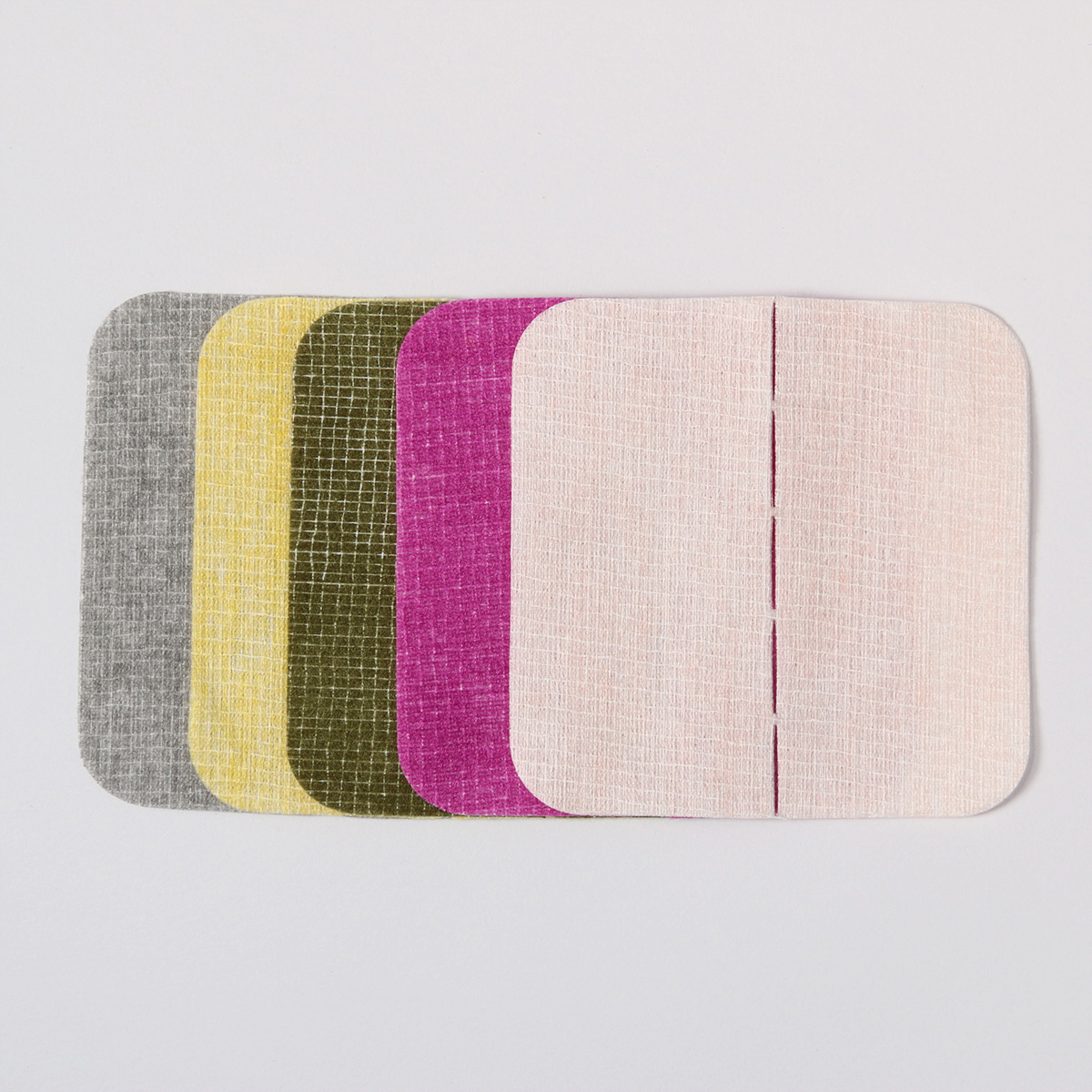
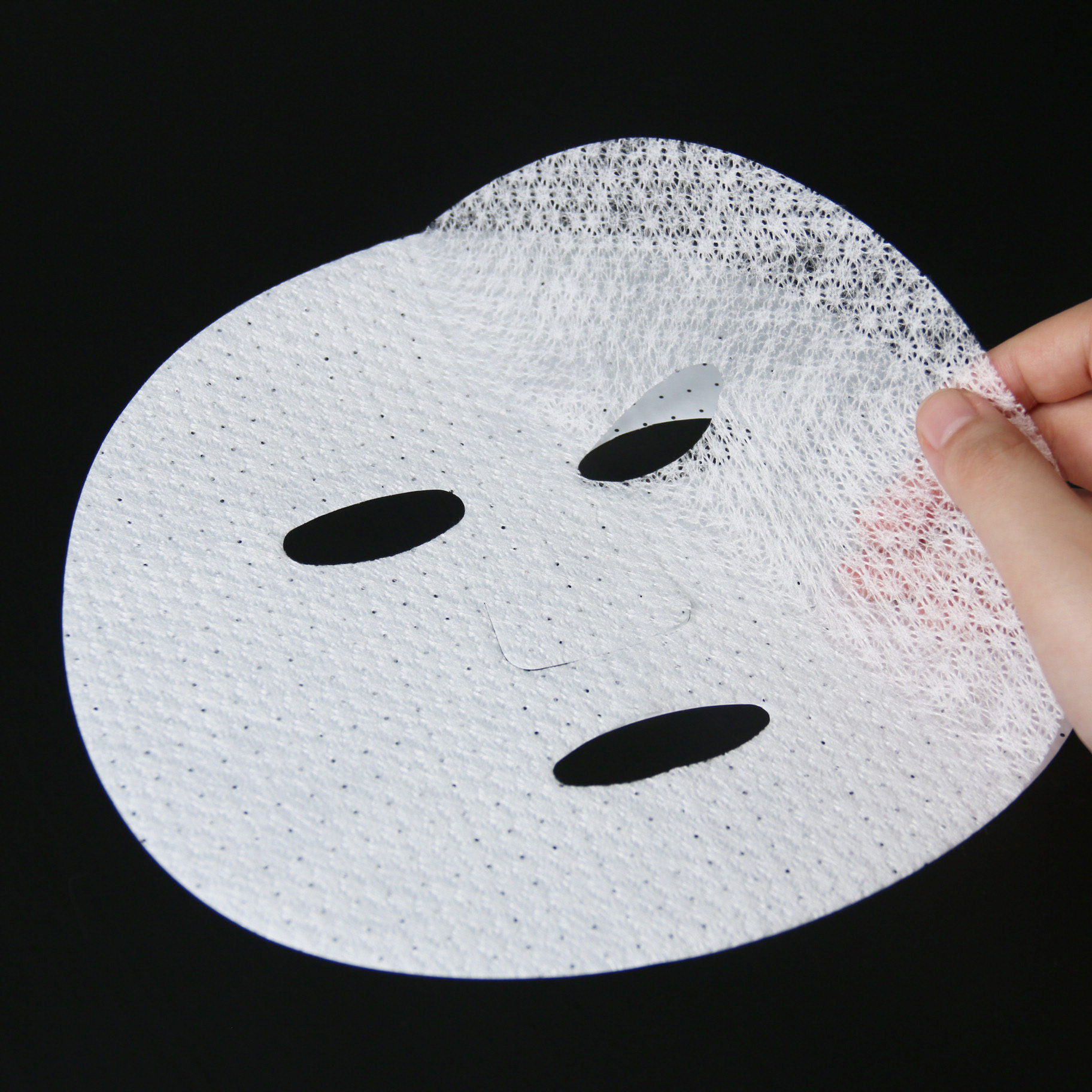
The eco-friendly credentials of any tissue paper face mask begin with its substrate. Traditional synthetic sheet masks often rely on polyester or nylon fibers that do not biodegrade easily, contributing to textile waste in landfills. In contrast, a tissue paper face mask built from ultra-fine plant fibers — such as bamboo, wood pulp cellulose, or other natural botanical sources — offers a substrate that breaks down far more readily after disposal. When a tissue paper face mask uses colorful ultra-fine plant fiber technology, the material remains lightweight and skin-conforming while still maintaining its biodegradable properties. This choice of raw material is the single most important factor in determining whether a tissue paper face mask can genuinely claim an eco-friendly identity.
Minimal Processing and Clean Formulation
An authentic eco-friendly tissue paper face mask also demands attention to how the serum or essence is formulated. Many brands producing a tissue paper face mask are moving away from synthetic preservatives, artificial dyes, and petrochemical-derived humectants in favor of plant-based alternatives. A tissue paper face mask that carries botanical actives such as green tea extract, aloe vera, or fermented plant compounds reduces the overall chemical load entering waterways after use. The packaging of a tissue paper face mask is equally important — recyclable foil pouches or compostable wrapping further strengthen the sustainability profile of each individual tissue paper face mask unit. Every element of the tissue paper face mask, from fiber to formula to packaging, contributes to or detracts from its eco-friendly standing.
The Skincare Performance of a Tissue Paper Face Mask
Occlusive Delivery and Absorption Efficiency
Beyond its environmental advantages, the tissue paper face mask delivers real skincare results that make it a practical daily or weekly treatment. When a tissue paper face mask is applied to clean skin, the sheet acts as an occlusive layer that prevents the serum from evaporating. This forces active ingredients deeper into the stratum corneum, improving absorption compared to simply applying a serum with fingertips. A tissue paper face mask saturated with hydrating actives can deliver measurable improvements in skin moisture levels within a single use. For consumers seeking both performance and sustainability, the tissue paper face mask eliminates the need to choose between effective treatment and responsible beauty habits.
Suitability Across Skin Types
One reason the tissue paper face mask has gained such wide adoption is its versatility across different skin types. Whether formulated for oily, dry, sensitive, or combination skin, a tissue paper face mask can be customized through its serum composition to address a specific concern. A tissue paper face mask designed for sensitive skin would typically feature calming plant extracts and a fragrance-free formula, while a tissue paper face mask targeting dull or uneven skin tone might include brightening botanical acids. The inherently gentle nature of plant fiber substrates also means that a tissue paper face mask is less likely to cause friction or mechanical irritation during use. This broad compatibility makes the tissue paper face mask a versatile tool within an eco-conscious skincare regimen.
The Broader Impact of Choosing a Tissue Paper Face Mask
Reducing Single-Use Plastic in Skincare
Single-use plastic packaging represents one of the most pressing waste issues within the beauty industry. Every time a consumer selects a tissue paper face mask over a synthetic-substrate alternative, the decision carries a small but cumulative environmental benefit. A plant-fiber tissue paper face mask typically requires less energy-intensive processing than petroleum-based sheet formats. When millions of consumers shift toward a tissue paper face mask with biodegradable substrates, the aggregate reduction in non-degradable skincare waste becomes significant. Brands that invest in developing a high-quality tissue paper face mask are also sending a clear market signal that eco-friendly formats can compete on performance without compromise.
Supporting Sustainable Beauty Certification Trends
The global beauty market is increasingly shaped by certifications and transparency standards. A tissue paper face mask that uses verified plant fiber substrates and clean formulations is better positioned to meet criteria set by eco-certification bodies and retail sustainability programs. Retailers and distributors sourcing a tissue paper face mask for their eco-conscious product lines benefit from the clear storytelling that plant fiber materials enable. As clean beauty standards evolve, the tissue paper face mask sits at the intersection of consumer demand, regulatory alignment, and genuine environmental responsibility. Choosing the right tissue paper face mask substrate today positions brands ahead of tightening sustainability expectations tomorrow.
FAQ
Is a tissue paper face mask truly biodegradable?
A tissue paper face mask made from ultra-fine plant fibers such as bamboo or wood pulp cellulose is generally biodegradable under the right conditions. However, the biodegradability of any tissue paper face mask also depends on the serum ingredients and any coatings applied to the sheet. Always check the material disclosure of a tissue paper face mask before making sustainability claims.
How often should a tissue paper face mask be used in an eco-friendly routine?
Most skin care professionals recommend using a tissue paper face mask two to three times per week for optimal hydration and active ingredient delivery. Because a plant-fiber tissue paper face mask is gentle by nature, even daily use is tolerated by many skin types. Integrating a tissue paper face mask consistently into a routine maximizes both skincare results and the cumulative environmental benefit of choosing a biodegradable format.
What should I look for when choosing an eco-friendly tissue paper face mask?
When selecting a tissue paper face mask for an eco-friendly routine, prioritize plant-derived fiber substrates, clean serum formulations free from synthetic dyes and parabens, and recyclable or compostable packaging. A reputable tissue paper face mask supplier should be able to provide transparency on substrate sourcing and biodegradability testing. Verifying these details ensures the tissue paper face mask you choose genuinely supports your sustainability goals rather than simply carrying eco-friendly branding.

 EN
EN
 Hot News