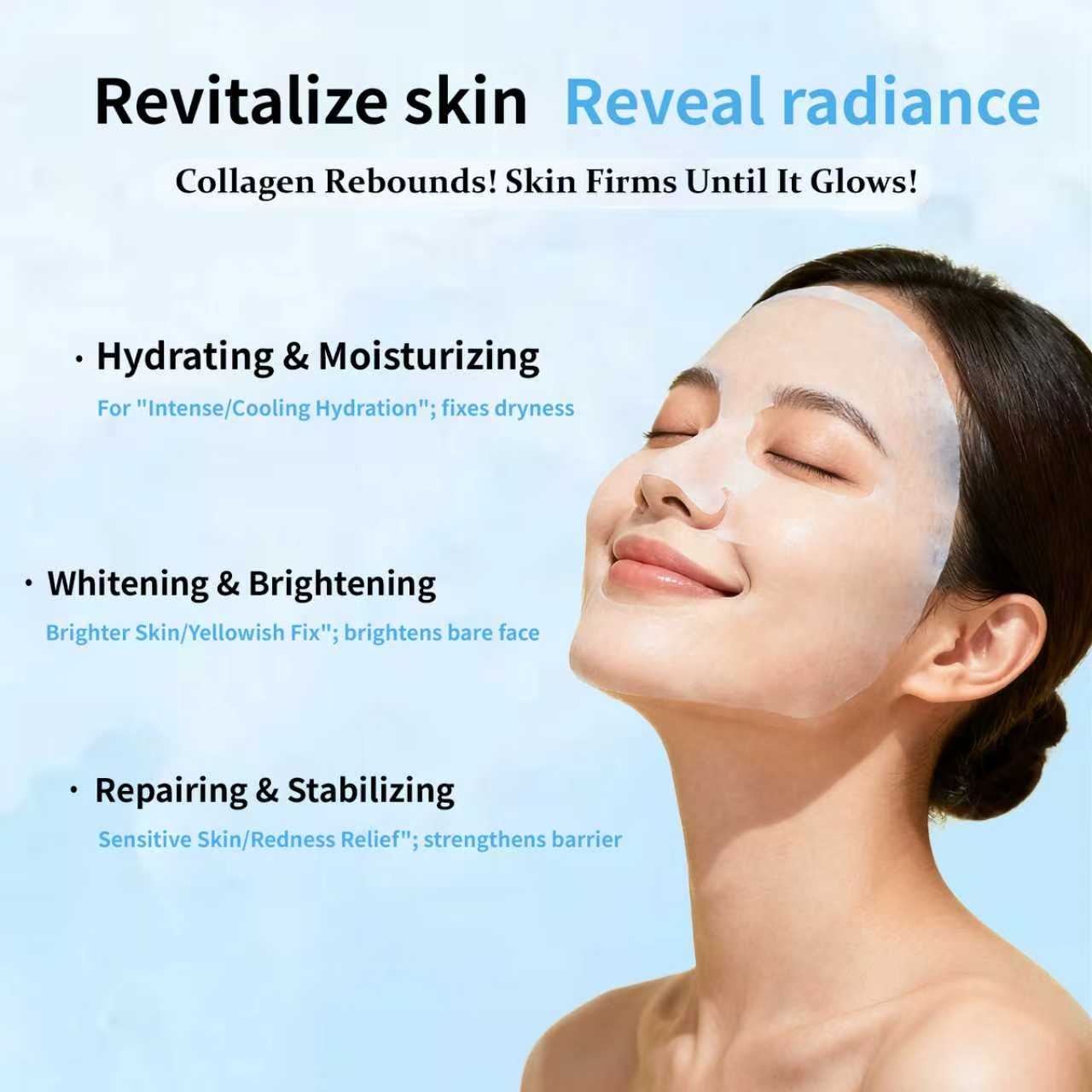
Choosing the right facial mask sheet is one of the most important decisions in skincare product development and personal care routines. The facial mask sheet serves as the carrier for active serums and essences, meaning its material directly determines how effectively ingredients are absorbed into the skin. With so many cloth options available today, understanding the differences between each type helps brands, formulators, and consumers make smarter choices.
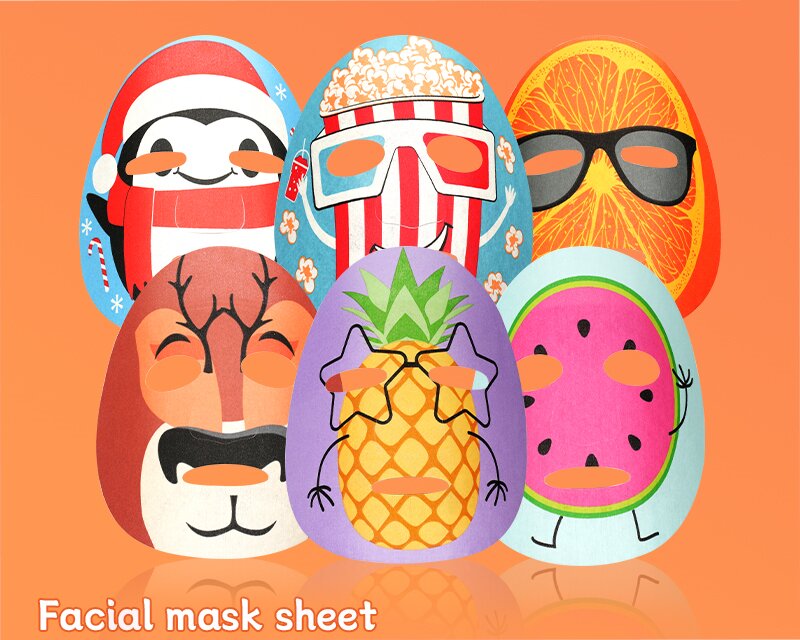
Every facial mask sheet material has its own unique set of strengths and limitations. From classic non-woven fabrics to advanced bio-cellulose and hydrogel versions, each facial mask sheet type fits different skin goals, production requirements, and price points. This guide walks through the most common facial mask sheet cloth options, comparing their pros and cons so you can identify the best fit for your specific needs.
Cotton and Non-Woven Facial Mask Sheet Materials
The Classic Cotton Facial Mask Sheet
The cotton facial mask sheet has been a staple in the sheet mask industry for decades. This type of facial mask sheet is soft, widely available, and relatively affordable to produce at scale. Cotton naturally absorbs serum well, allowing the facial mask sheet to hold a generous amount of essence. It is suitable for sensitive skin types due to its gentle texture, and it conforms reasonably well to facial contours.
However, the cotton facial mask sheet does have notable drawbacks. Cotton fibers tend to dry out faster than other materials, which means the facial mask sheet may lose its moisture before the recommended wear time is complete. Additionally, a cotton facial mask sheet often fits less precisely on the face compared to more elastic alternatives, which can reduce ingredient contact in areas like the nose bridge and chin.
Non-Woven Facial Mask Sheet Advantages and Limitations
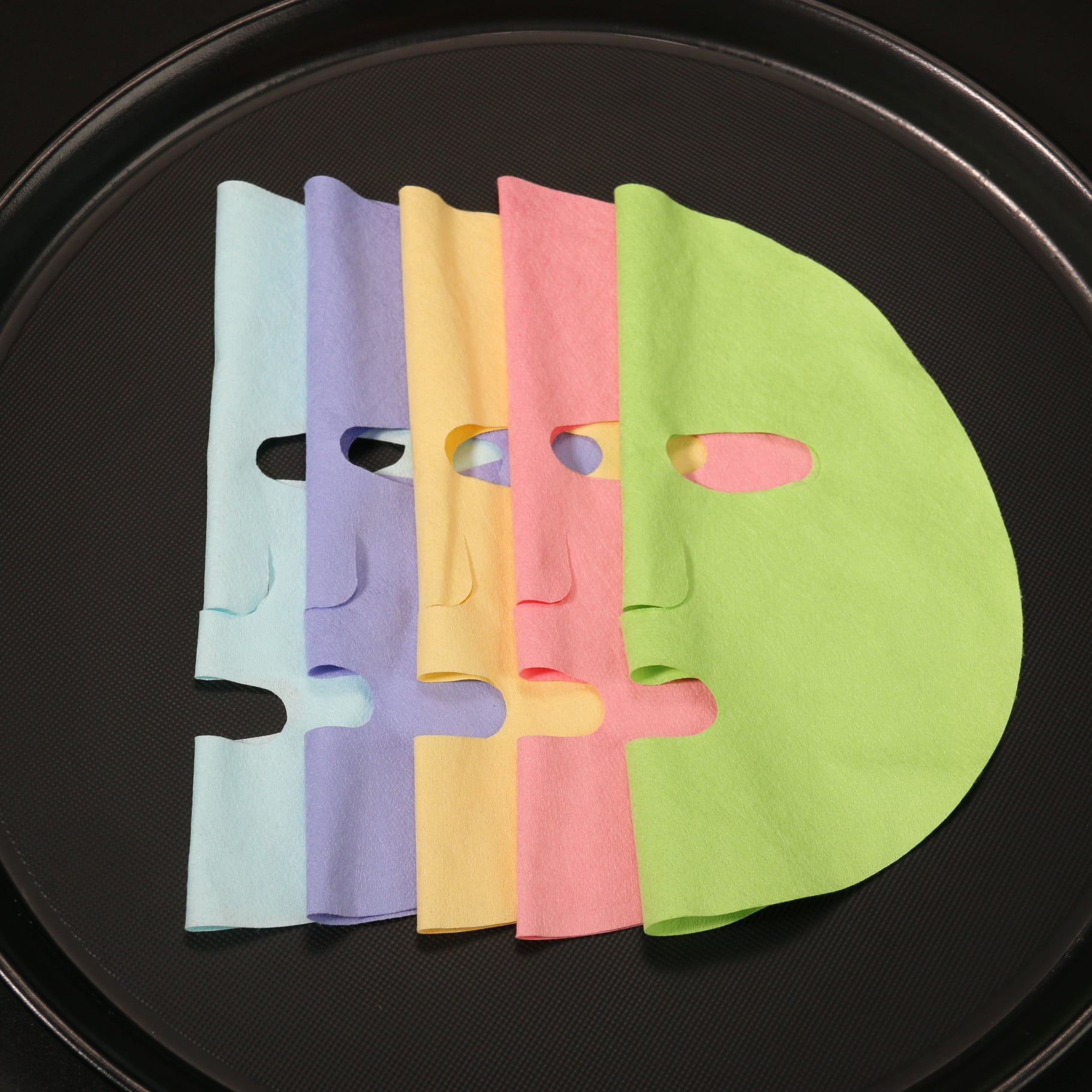
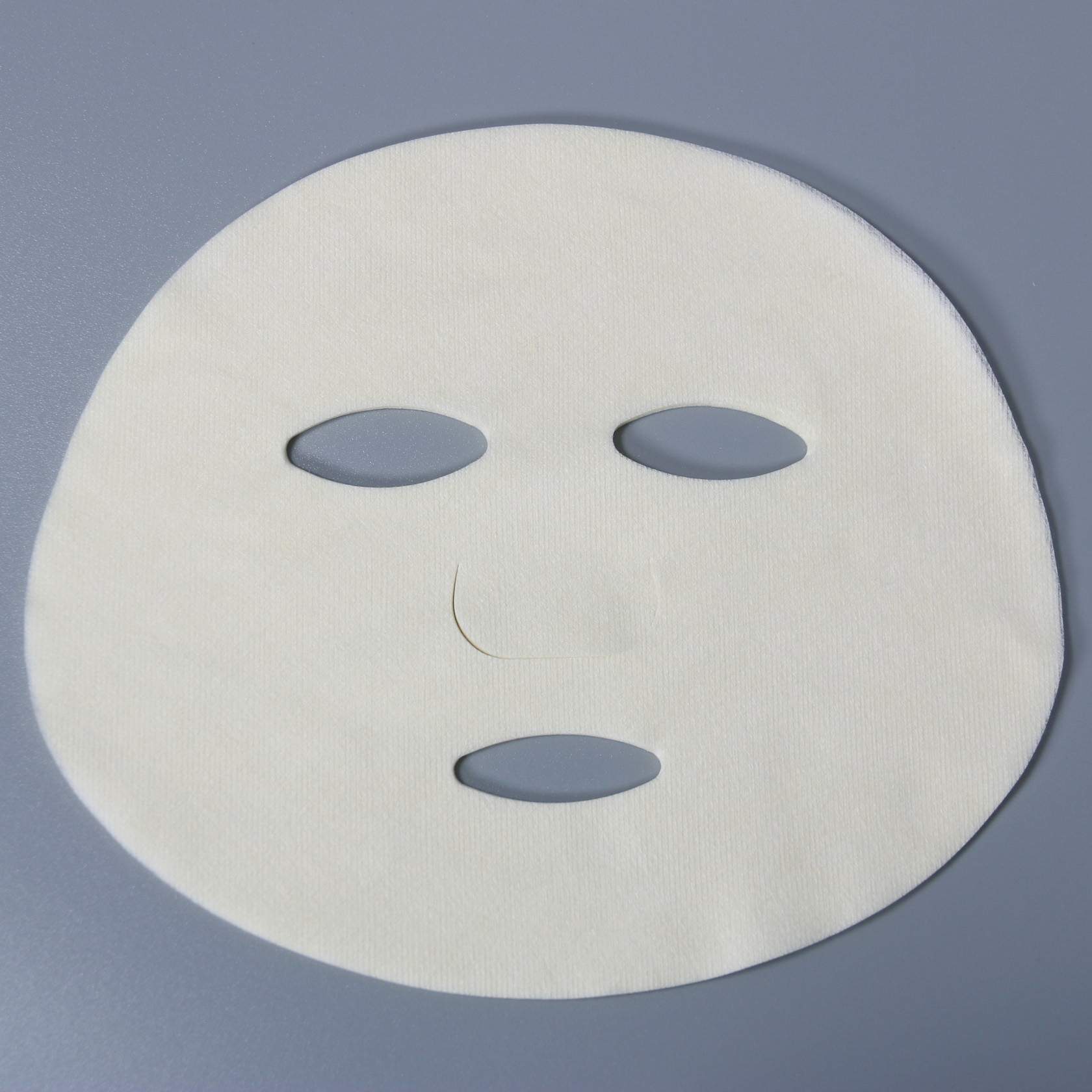
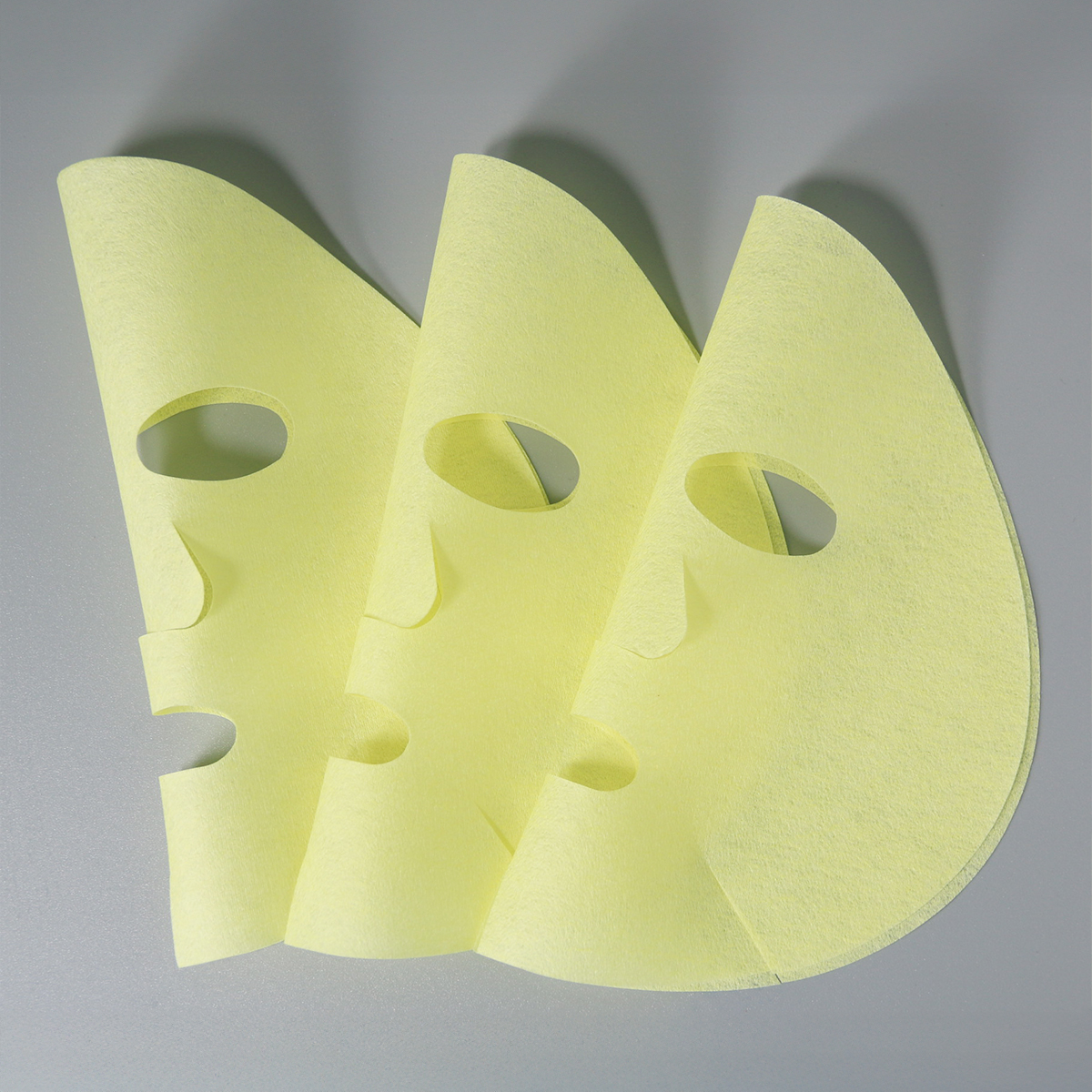
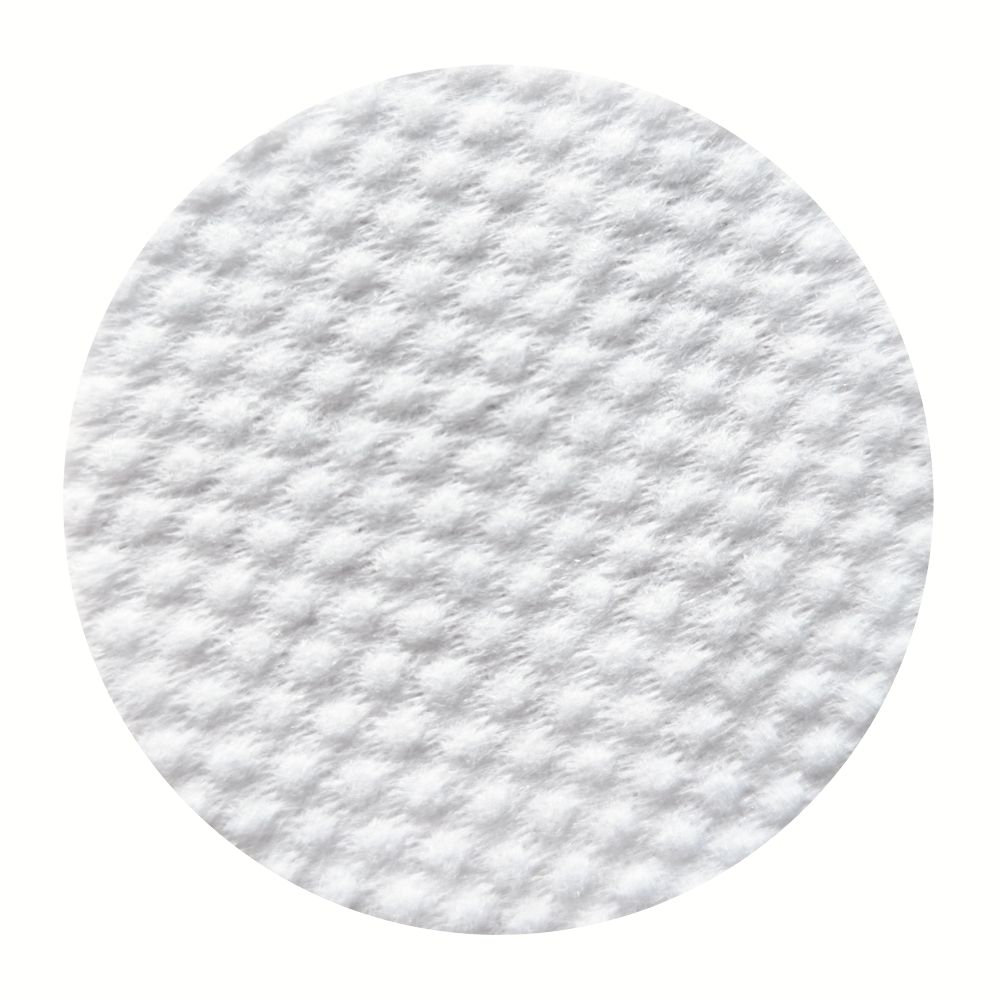
The non-woven facial mask sheet is one of the most widely used options in commercial skincare. This facial mask sheet type is manufactured from bonded synthetic or natural fibers, giving it consistent texture and high liquid retention. Non-woven facial mask sheet materials are cost-effective, easy to cut into custom shapes, and compatible with a broad range of serums and active ingredients.
The main limitation of a non-woven facial mask sheet is that it may feel slightly rough on sensitive skin. Some non-woven facial mask sheet products also contain synthetic components that may not appeal to consumers who prefer eco-friendly or biodegradable options. Still, for mass-market products requiring a reliable and affordable facial mask sheet, non-woven remains a strong choice.
Advanced Facial Mask Sheet Materials
Bio-Cellulose Facial Mask Sheet Performance
The bio-cellulose facial mask sheet is considered a premium option in the skincare industry. Derived from natural bacterial fermentation, this type of facial mask sheet forms an ultra-thin, skin-like membrane that adheres closely to every contour of the face. The bio-cellulose facial mask sheet offers exceptional serum retention and delivers ingredients deep into the skin more efficiently than most conventional alternatives.
The key advantage of a bio-cellulose facial mask sheet is its superior fit and breathability. Users experience less slipping and better overall contact, making the facial mask sheet more effective during the full treatment period. The downside is cost — a bio-cellulose facial mask sheet is significantly more expensive to produce, which makes it more common in luxury skincare lines rather than everyday consumer products.
Hydrogel Facial Mask Sheet Characteristics
The hydrogel facial mask sheet is another high-performance option that has grown in popularity. Unlike a fabric-based facial mask sheet, the hydrogel version is composed of a water-based gel structure that delivers intense hydration directly to the skin. A hydrogel facial mask sheet typically comes in two separate pieces designed to fit the upper and lower face, providing a cooling and soothing sensation upon application.
One clear advantage of the hydrogel facial mask sheet is its moisturizing intensity. The gel matrix holds a large volume of active ingredients and releases them slowly, making each facial mask sheet session highly effective. The trade-off is that a hydrogel facial mask sheet is generally heavier, less flexible, and more expensive than standard fabric options. It also has a shorter shelf life once opened, which brands must account for in packaging design.
Tencel and Microfiber Facial Mask Sheet Comparison
Tencel Facial Mask Sheet Benefits
The Tencel facial mask sheet has earned strong recognition as an eco-conscious premium material. Made from sustainably sourced wood pulp, this facial mask sheet type is soft, smooth, and biodegradable. A Tencel facial mask sheet fits the skin comfortably and offers excellent serum absorption. Its silky texture makes it a preferred facial mask sheet choice for consumers with dry or sensitive skin who want a gentle yet effective treatment experience.
From a sustainability standpoint, the Tencel facial mask sheet scores significantly higher than synthetic alternatives. Brands focused on green packaging and eco-friendly formulations often select this facial mask sheet material to align with their environmental values. The cost of a Tencel facial mask sheet is moderate — higher than standard non-woven but more accessible than bio-cellulose.
Microfiber Facial Mask Sheet Considerations
The microfiber facial mask sheet offers a fine, soft texture that feels pleasant against the skin. This type of facial mask sheet holds serum effectively and provides a smooth application experience. Microfiber facial mask sheet products are generally durable and maintain their shape well during wear, which helps ensure full facial coverage throughout the treatment.
The concern with a microfiber facial mask sheet is primarily environmental. Microfiber is a synthetic material, and its production and disposal raise sustainability questions. For brands targeting environmentally aware consumers, a microfiber facial mask sheet may not be the preferred option despite its functional benefits.
FAQ
Which facial mask sheet material is best for sensitive skin?
For sensitive skin, a bio-cellulose or Tencel facial mask sheet is typically the safest choice. Both types are soft, gentle, and free from harsh synthetic additives. A cotton facial mask sheet is also a reasonable option, though it may not adhere as closely to the skin as bio-cellulose.
How does the facial mask sheet material affect serum absorption?
The material of a facial mask sheet directly influences how well it retains and transfers serum. A hydrogel or bio-cellulose facial mask sheet delivers ingredients more deeply due to their superior skin adhesion and slow-release properties. Non-woven and cotton facial mask sheet types also perform well, but absorption efficiency may vary based on fiber density.
Is a more expensive facial mask sheet always better?
Not necessarily. A premium facial mask sheet like bio-cellulose or hydrogel offers advanced performance, but a high-quality non-woven or Tencel facial mask sheet can deliver excellent results at a lower price point. The best facial mask sheet choice depends on your skin type, budget, and the specific ingredients used in the formula.
 EN
EN
 Hot News