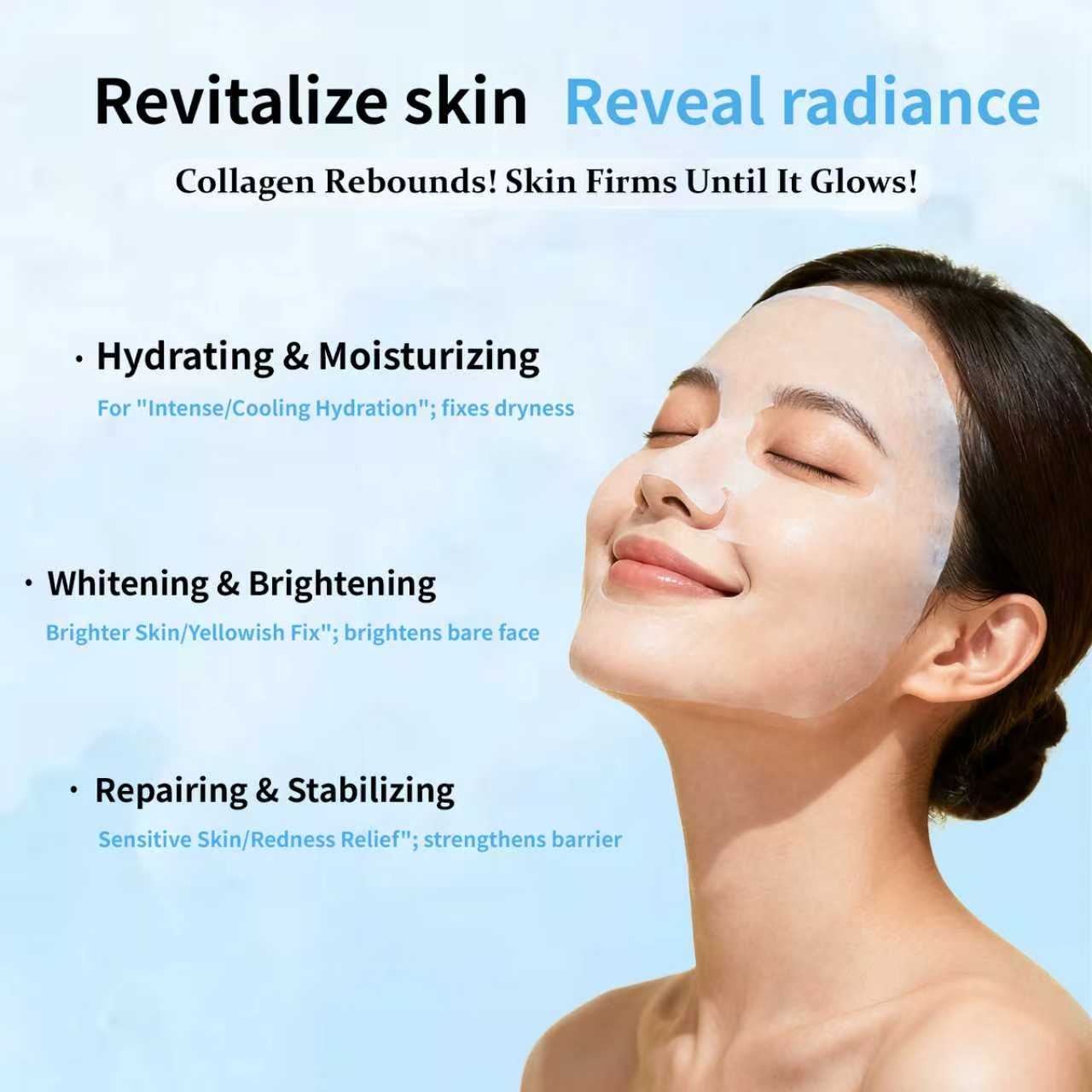
The Fit Gap: Why Standard Facial Masks Compromise Efficacy and Skin Benefits
Facial topography diversity vs. one-size-fits-all design: How poor fit breaks occlusive seal and reduces active ingredient delivery
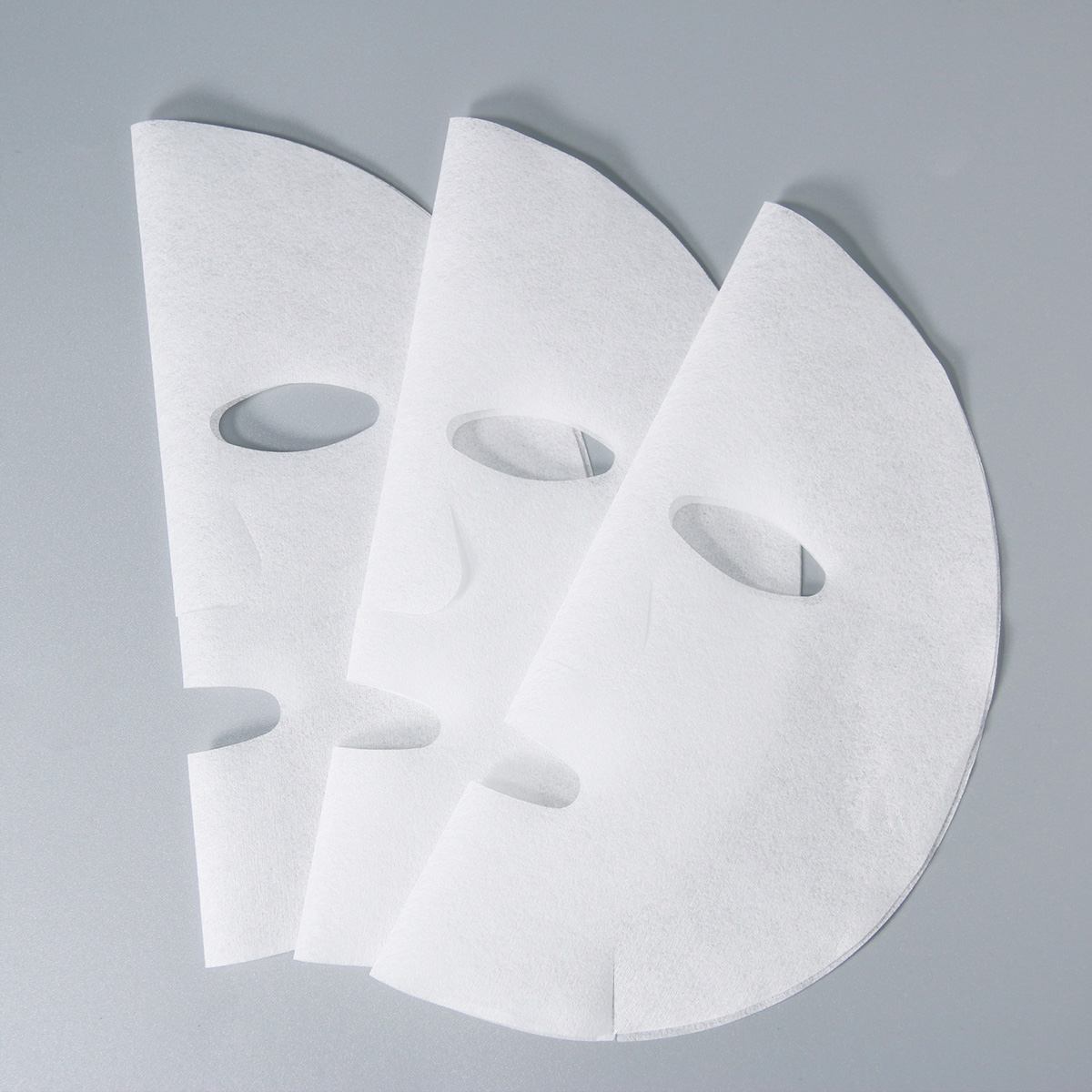
Human faces vary dramatically in width, nose bridge height, cheekbone projection, and jawline curvature—yet standard sheet masks are designed to a single, averaged silhouette. This mismatch inevitably creates gaps around the nose, chin, and jawline; wrinkles across the forehead; and curling edges that lift away from the skin. These compromises aren’t just cosmetic or comfort-related—they directly disrupt the occlusive seal essential for effective delivery. When the mask detaches from the epidermis, even briefly, serum contact is interrupted and stratum corneum absorption drops significantly. Peer-reviewed research confirms that uninterrupted, conformal contact can enhance active ingredient penetration by up to threefold. A custom-sized non woven facial sheet mask, engineered to match individual facial topography, eliminates these gaps—ensuring consistent, full-surface contact and maximizing bioavailability of micronutrient-rich serums throughout treatment.
Filtration logic applied to sheet masks: Lessons from N95 respirator science on contact surface integrity and barrier performance
Respirator science offers a powerful analogy: filtration efficacy collapses without an anatomically precise seal. N95 fit-testing standards show that a 1 mm gap reduces particle filtration efficiency by more than 50%. Sheet masks operate under the same physical principle—their occlusive function depends entirely on continuous, intimate contact between the wet non-woven layer and the skin. Only then can they create the closed microclimate needed to slow transepidermal water loss (TEWL) and facilitate deep dermal delivery. When lifting occurs—especially at high-movement zones like the jawline or under-eye area—the barrier fractures, moisture escapes, and actives evaporate before absorption. Dermatologists and biomedical engineers alike emphasize that sustained surface integrity is non-negotiable for clinical-grade performance. Precision sizing is the only scalable solution to replicate the contact fidelity proven effective in both respiratory protection and transdermal delivery systems.
How Custom-Sized Non Woven Facial Sheet Mask Technology Enables Precision Drape and Performance
Material innovation meets micro-adaptation: Hydrogel, biocellulose, and probiotic-infused non-wovens engineered for conformal fit
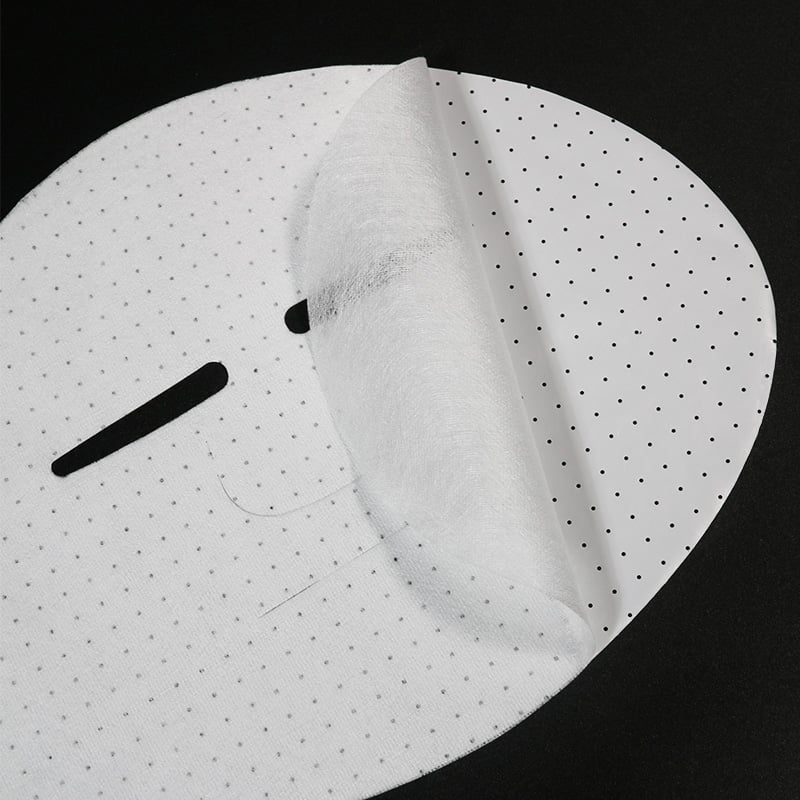
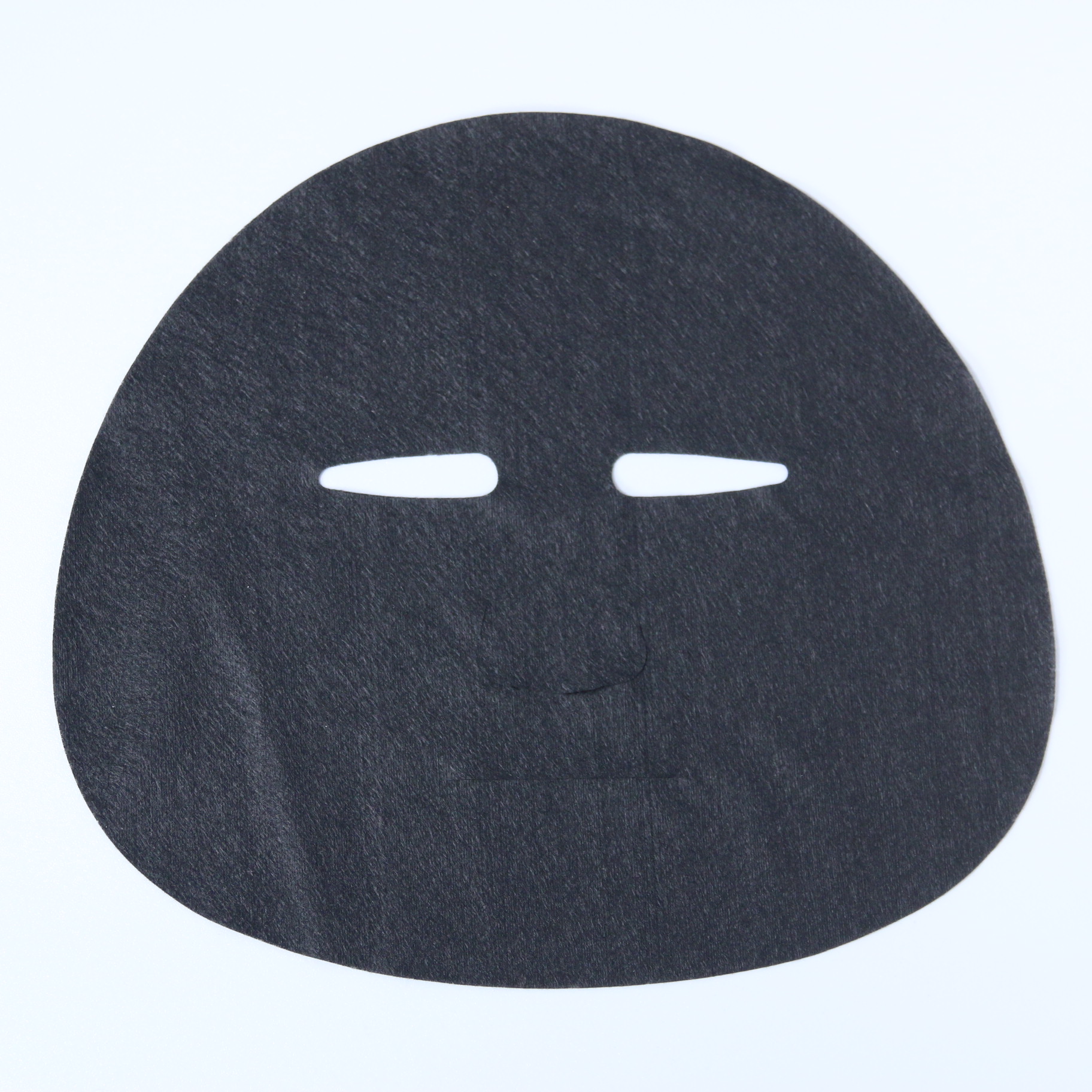
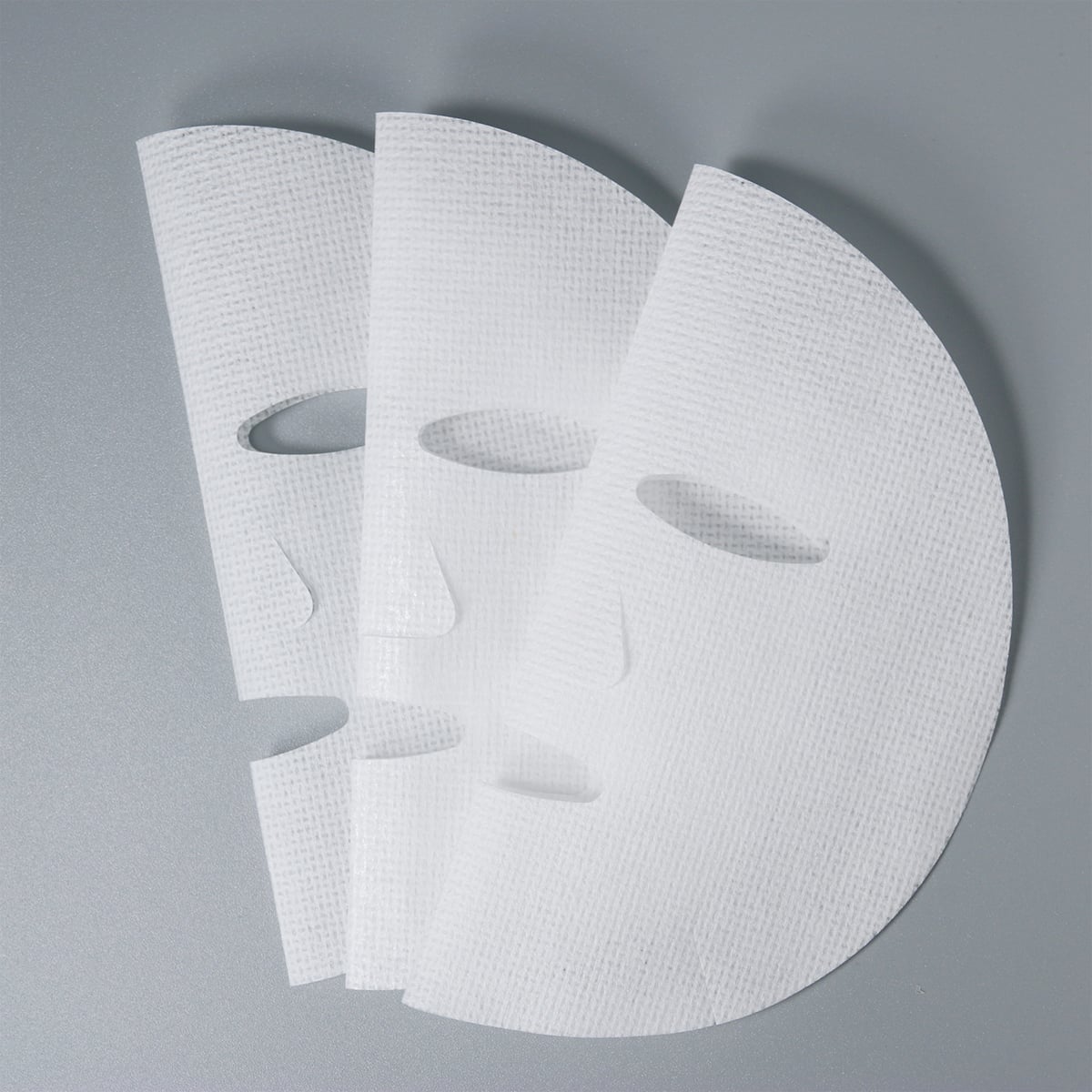
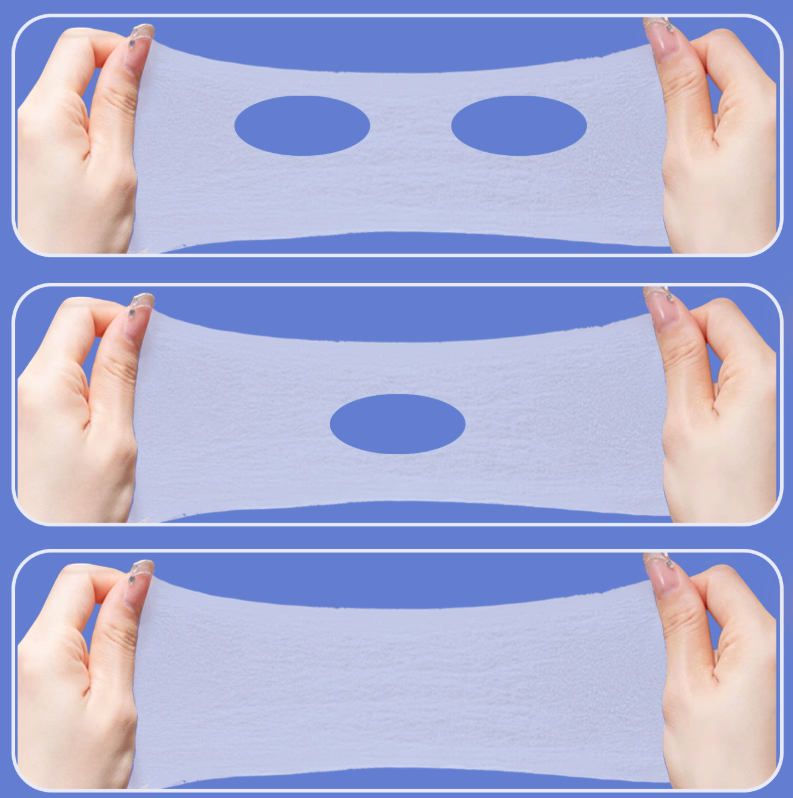
True precision drape requires more than accurate dimensions—it demands materials that respond dynamically to facial microtopography. Next-generation non-wovens combine hydrogel’s ultra-flexible, skin-molding properties with biocellulose’s high-wet-strength breathability and exceptional conformality. Probiotic-infused variants add targeted microbiome support precisely where needed—without compromising structural integrity. These advanced substrates maintain uniform serum saturation and mechanical stability across diverse facial contours, adapting microscopically to subtle variations in bone structure and tissue elasticity. Unlike conventional cotton or pulp-based masks, they resist stretching, sagging, or pooling—ensuring even pressure distribution, zero dead zones, and no localized irritation. This material intelligence transforms fit from passive conformity into active, functional adaptation.
AI-guided die-cutting and scalable precision cutting algorithms: Making custom-sized non woven facial sheet mask production commercially viable
Customization was once synonymous with artisanal cost and limited scale—until AI-driven manufacturing redefined the paradigm. Modern systems use anatomical datasets derived from over 100,000 3D facial scans to train adaptive cutting algorithms that optimize pattern generation in real time. These algorithms balance precision with material efficiency—minimizing waste while preserving millimeter-level accuracy across nose bridge height, orbital rim depth, and mandibular angle. Integrated with automated die-cutting and inline quality verification, the process enables high-volume production of truly bespoke masks at near-standard unit economics. As a result, personalization has shifted from niche premium offering to commercially scalable infrastructure—aligning with 2026 consumer expectations for clinically grounded, accessible skincare innovation.
Consumer Demand and Market Shift: Personalization as the 2026 Standard for Effective Skincare
Personalization is no longer a differentiator—it’s the new baseline for efficacy-driven skincare. Consumers now understand that generic formulations fail to account for individual anatomy, barrier function, and regional skin behavior. This awareness fuels rapid market evolution: Grand View Research projects the personalized skincare sector will reach $1.8 billion by 2025, driven by demand for solutions that deliver measurable, reproducible results. At the core of this shift is the recognition that fit isn’t secondary to formulation—it’s foundational. A custom-sized non woven facial sheet mask bridges the gap between advanced actives and actual delivery, transforming theoretical potency into tangible outcomes. By 2026, such precision-engineered formats won’t be positioned as “innovative”—they’ll be expected as standard protocol across prestige and mass-market tiers alike, reshaping R&D priorities, regulatory benchmarks, and consumer definitions of clinical validity.
Beyond Fit: Integrating Custom-Sized Non Woven Facial Sheet Masks into AI-Driven Skincare Rituals
The evolution of skincare is accelerating beyond physical customization into intelligent, adaptive ecosystems—where custom-sized non woven facial sheet masks serve as dynamic endpoints in data-informed regimens.
From skin diagnostics to dynamic mask prescription: Real-world adoption by premium e-commerce brands
Forward-thinking e-commerce platforms now deploy FDA-cleared AI imaging tools that convert user-submitted selfies into granular, zone-specific skin assessments—measuring hydration gradients, texture irregularities, erythema intensity, and pore behavior across 12 facial regions. These diagnostics feed into proprietary algorithms that prescribe not just which actives to deliver, but where, how much, and in what concentration. For instance, a single mask may deliver hyaluronic acid at 3% concentration across the malar region while applying salicylic acid + niacinamide at optimized ratios to T-zone follicles—all within a single, anatomically contoured non-woven substrate. Production systems then adjust die-cut patterns and infusion protocols in real time, enabling end-to-end personalization without manual intervention. Early adopters—including brands certified by the International Academy of Cosmetic Dermatology—report 42% higher 30-day retention and 3.8x greater perceived efficacy versus standard masks, validating that AI-powered fit and formulation synergy is rapidly becoming the gold standard for evidence-based skincare.
FAQs
Why is the fit of facial sheet masks important?
The fit is crucial as it ensures an occlusive seal which is necessary for active ingredients to penetrate the skin effectively. A poorly fitting mask disrupts this contact, reducing its benefits.
What materials are used in custom-sized non woven facial sheet masks?
Materials like hydrogel, biocellulose, and probiotic-infused non-wovens are utilized for their ability to adapt to facial contours while maintaining even serum distribution.
How does AI contribute to custom-sized facial mask production?
AI-driven algorithms use extensive anatomical datasets to optimize cutting patterns for precision fit, making the production of such masks commercially scalable.
What impact does customization have on skincare efficacy?
Customization ensures active ingredients are delivered more efficiently to specific facial zones, significantly improving skincare results.
What is the future of personalized skincare?
By 2026, personalized skincare is expected to be the standard, driven by consumer demand for solutions tailored to individual facial topography and skin needs.

 EN
EN

 Hot News