How Deep Hydration Sheet Masks Work: Beyond Surface Moisturizing
The Occlusive Seal Mechanism: Why Fabric + Essence = Sustained Epidermal Delivery
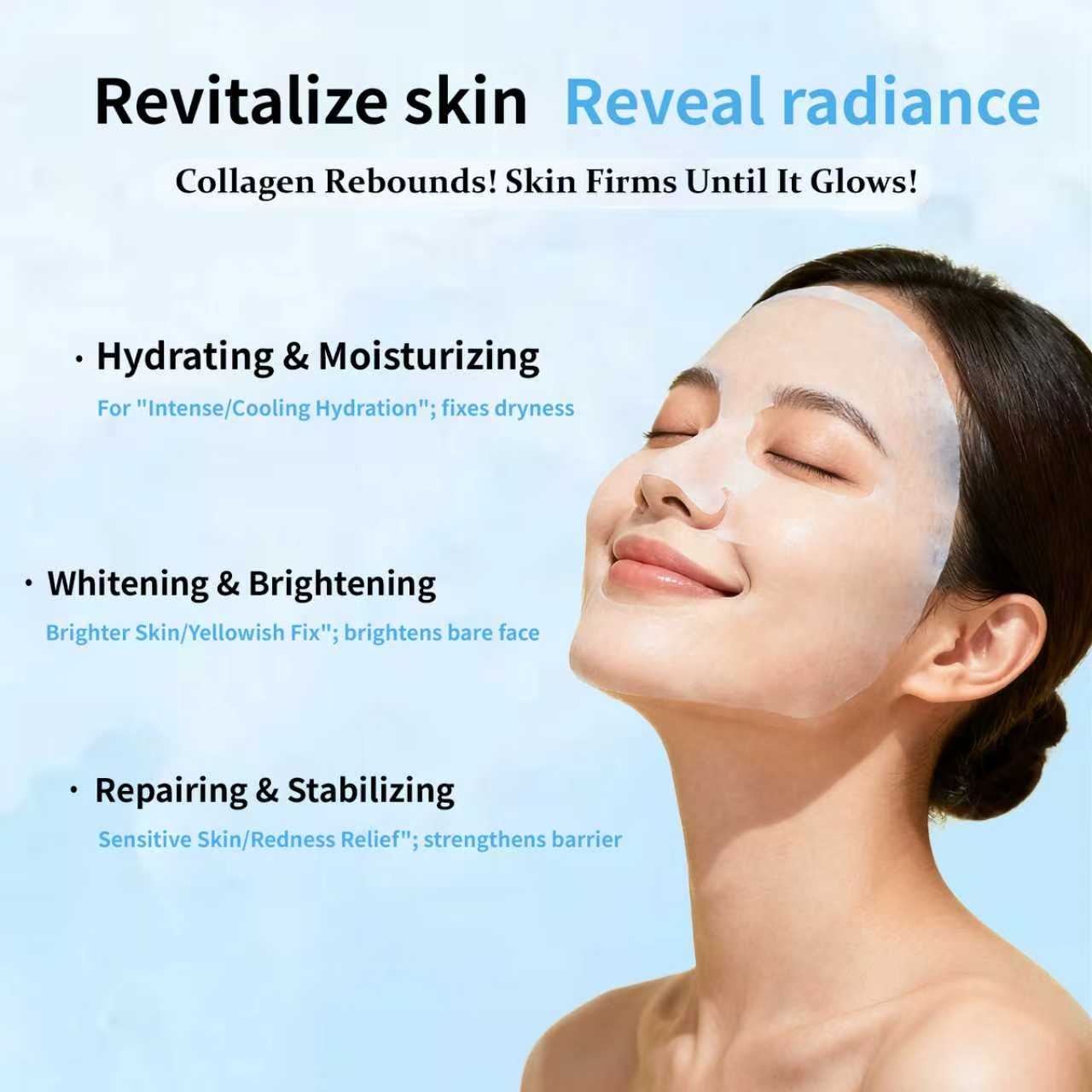
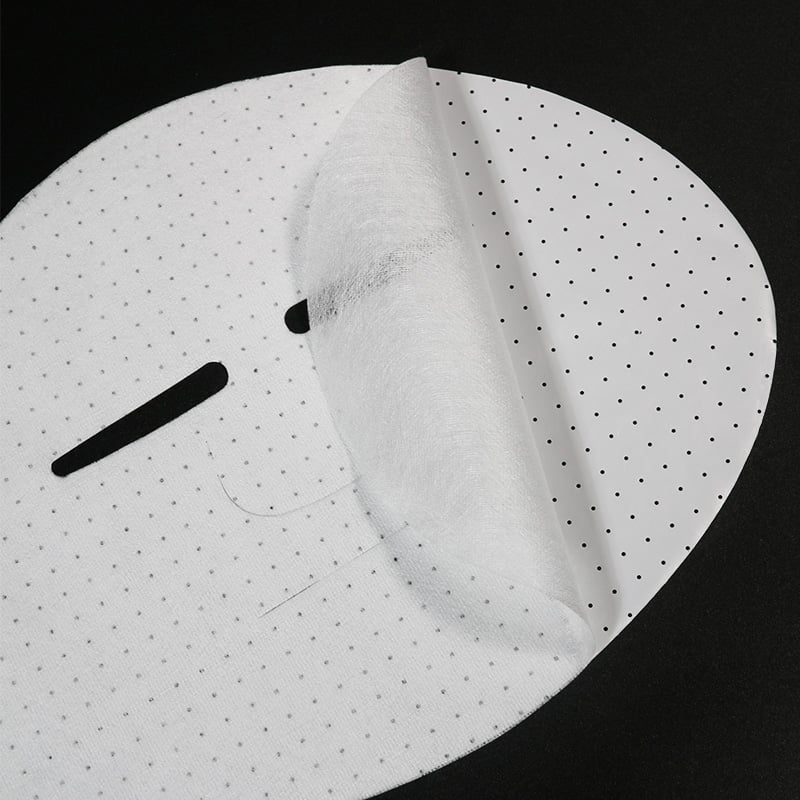
Deep hydration sheet masks create a physical occlusive barrier that dramatically slows transepidermal water loss (TEWL)—by up to 40% within 15 minutes—while transforming the skin’s surface into a humid microenvironment. The fabric acts as both reservoir and delivery system, steadily releasing low-molecular-weight hyaluronic acid (HA) and other actives. This sustained contact allows ingredients to bypass the stratum corneum more effectively than leave-on serums, enabling deeper epidermal penetration. Peer-reviewed studies confirm this mechanism enhances absorption efficiency by up to 3× compared to non-occluded applications.
Optimal Wear Time (15–20 Min): Balancing Absorption Efficiency and Ingredient Stability
The 15–20 minute window represents the clinical sweet spot—maximizing hydration delivery while preserving skin barrier integrity and ingredient stability.
| Factor |
<15 Min Effect |
15–20 Min Effect |
20 Min Risk |
| Active Absorption |
Partial saturation |
Peak efficacy (85–90%) |
Diminished returns |
| Skin pH Balance |
Minimal disruption |
Optimal barrier function |
Barrier compromise |
| Essence Stability |
Preserved integrity |
Controlled release |
Breakdown of actives |
Beyond 20 minutes, evaporation reverses hydration gains: the drying mask begins drawing moisture from the skin—a phenomenon known as “over-masking” that can increase TEWL by 15%. Clinical trials show 20-minute sessions improve skin elasticity by 22%, versus just 9% at 10 minutes—without disrupting microbiome balance.
Essential Ingredients in a True Deep Hydration Sheet Mask
Hyaluronic Acid Variants: Low-, Medium-, and High-MW Synergy for Multi-Layer Hydration
Hyaluronic acid (HA) remains the gold-standard hydrator in evidence-based sheet masks—not just for its moisture-binding capacity, but for its ability to target distinct skin layers when formulated with precision. A clinically effective deep hydration mask leverages three molecular weights in synergy:
-
Low-MW HA penetrates into the viable epidermis for cellular-level hydration
-
Medium-MW HA binds water in the stratum corneum, reinforcing immediate plumpness
-
High-MW HA forms a breathable, protective film on the surface to curb TEWL
This tiered approach creates a continuous hydration gradient from dermis to epidermis. Research published in the Journal of Cosmetic Dermatology confirms multi-weight HA formulations increase 24-hour moisture retention by 76% over single-weight alternatives—making it indispensable for addressing dehydration across anatomical depths.
Supportive Actives: Glycerin, Ceramides, and Squalane for Barrier Integrity and Retention
Hydration without barrier support is transient. That’s why leading dermatologist-formulated masks pair HA with barrier-repairing co-actives:
-
Glycerin, a natural humectant, draws ambient moisture to amplify HA’s effects
-
Ceramides, which constitute over 50% of the stratum corneum’s lipid matrix, directly repair barrier defects—critical since barrier dysfunction underlies ~89% of chronic dehydration cases
-
Squalane, bio-identical to human sebum, delivers non-comedogenic occlusion to lock in hydration
Together, these ingredients reduce moisture evaporation by 58%, improve elasticity within two weeks of consistent use, and extend hydration retention to 48 hours—3.2× longer than HA-only formulas, per double-blind clinical data.
Choosing the Right Deep Hydration Sheet Mask for Your Skin Type
Selecting an effective deep hydration sheet mask requires aligning formulation science with your skin’s functional needs—not just its surface appearance. For dry or mature skin, prioritize masks with multi-weight HA plus barrier-repairing ceramides and squalane to address both moisture deficit and structural compromise. Oily or acne-prone skin benefits from lightweight, non-comedogenic formats featuring niacinamide—proven to regulate sebum while enhancing hydration tolerance. Combination skin responds best to dual-phase or zone-targeted masks: richer emollients on drier zones (cheeks), mattifying agents (e.g., zinc PCA) on the T-zone. Sensitive skin demands fragrance-free, minimally formulated options with soothing actives like colloidal oatmeal or panthenol—backed by clinical irritation testing. Always verify claims against third-party certifications (e.g., EWG Verified, COSMOS) or published clinical disclosures, and patch-test behind the ear for 3 days before full-face use.
Maximizing Efficacy: Evidence-Based Application Tips for Clinically Meaningful Results
Pre-Treatment Prep: Cleansing and Gentle Exfoliation Enhance HA Penetration (Per Dermatology Trials)
Preparation is foundational. Begin with a pH-balanced cleanser to remove sebum, pollutants, and residual products that impede essence absorption. Follow with gentle chemical exfoliation—using lactic acid or plant-derived enzymes—once or twice weekly. Unlike physical scrubs, these agents selectively loosen corneocytes without microtrauma, creating optimal pathways for low-MW HA to reach deeper epidermal layers. Dermatology trials demonstrate that pre-exfoliated skin absorbs hydration-boosting actives 1.7× more efficiently—directly translating to longer-lasting plumping and resilience.
Post-Mask Sealing: Locking in Hydration with Occlusive Emollients for 48-Hour Moisture Retention
The final step determines longevity. Immediately after mask removal—while skin is still dewy—apply a lightweight occlusive emollient containing ceramides or squalane. These ingredients form a breathable, lipid-rich seal that reduces TEWL by up to 57%, extending hydration far beyond the mask’s 20-minute window. Clinical studies confirm this technique sustains measurable moisture levels for 48+ hours—transforming a temporary treatment into a durable hydration strategy. For best results, choose non-comedogenic, fragrance-free occlusives that support barrier recovery without clogging pores or triggering reactivity.
FAQs
Q: How do sheet masks compare to serums in terms of efficacy?
A: Sheet masks can enhance ingredient absorption by up to 3× compared to leave-on serums due to their occlusive nature, which minimizes transepidermal water loss and creates a humid microenvironment.
Q: What happens if I leave a sheet mask on for more than 20 minutes?
A: Leaving a sheet mask on for more than 20 minutes can cause "over-masking," where the mask begins to draw moisture out of your skin, leading to increased transepidermal water loss.
Q: Why is multi-weight hyaluronic acid important in sheet masks?
A: Multi-weight HA targets different skin layers, ensuring hydration from the epidermis to the surface. This approach outperforms single-weight formulas by increasing moisture retention by 76% over 24 hours.
Q: How often should I use a deep hydration sheet mask?
A: Depending on your skin needs, using a sheet mask 1–3 times a week is typically effective, especially when combined with a proper skincare routine.
Q: Can sheet masks be used on sensitive skin?
A: Yes, but choose fragrance-free options with soothing ingredients like colloidal oatmeal or panthenol, and always patch-test before full-face application.
 EN
EN
 Hot News