The Science Behind Hydrating Paper Face Masks and Skin Barrier Repair
How hydrating paper face masks reinforce the hydrolipidic film to reduce TEWL
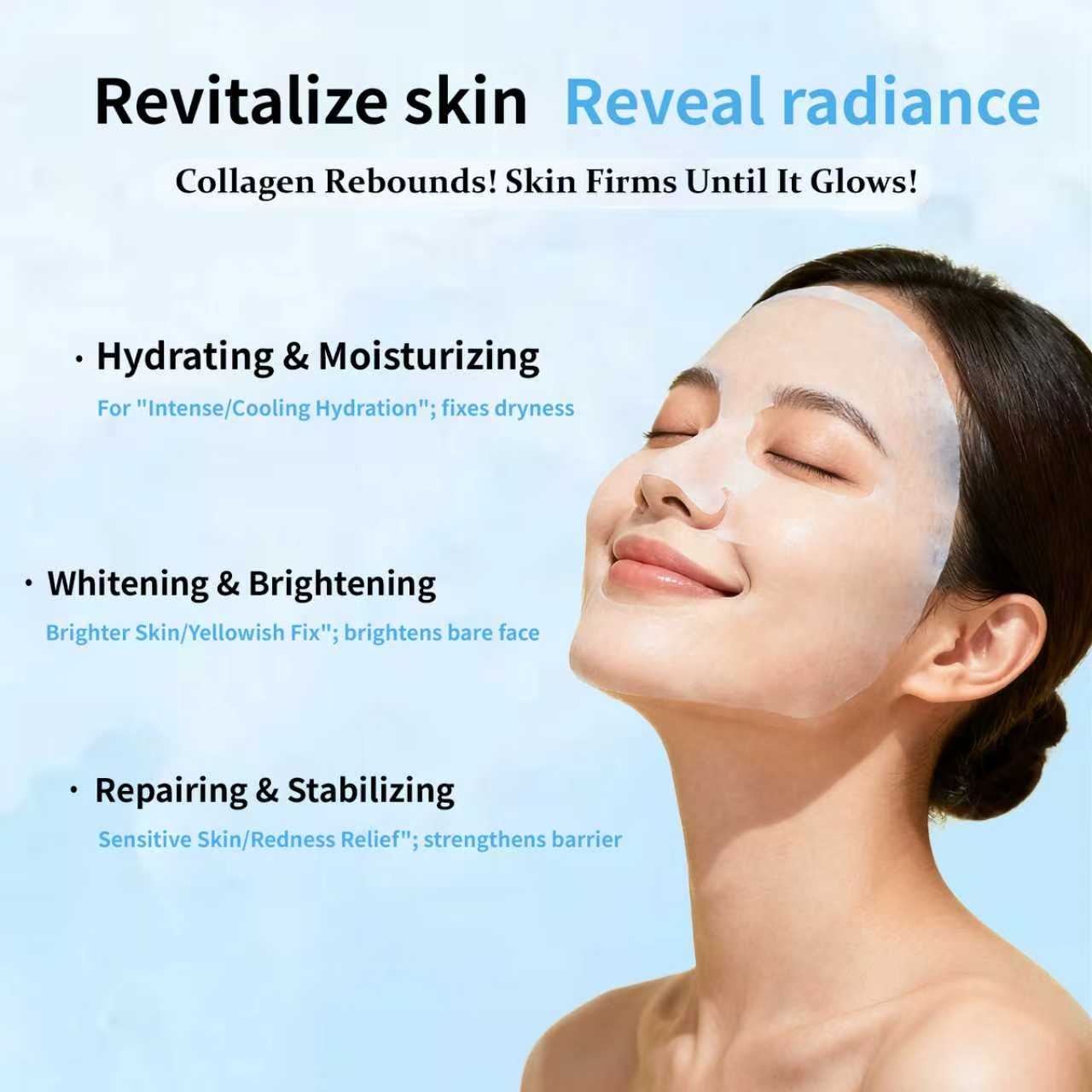
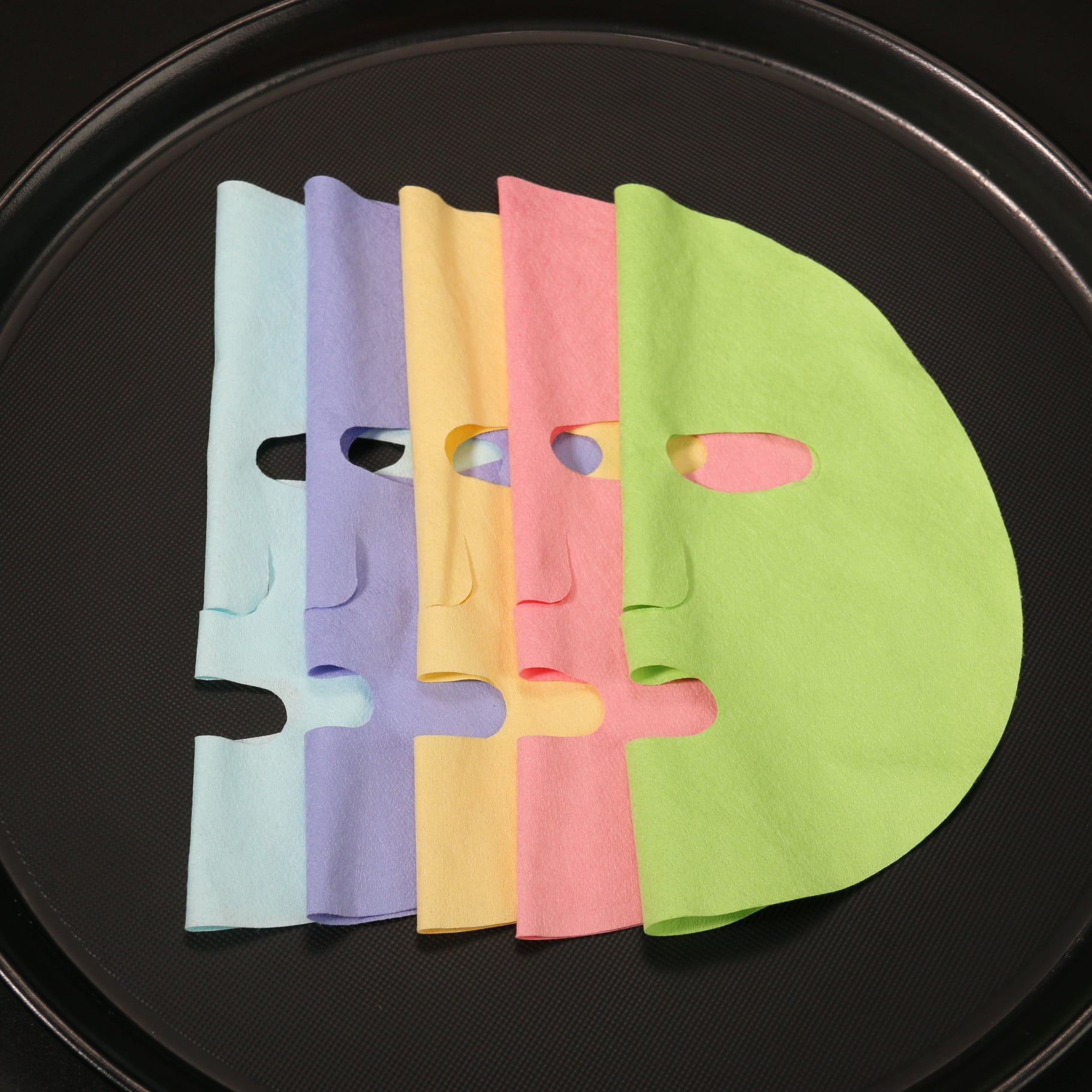
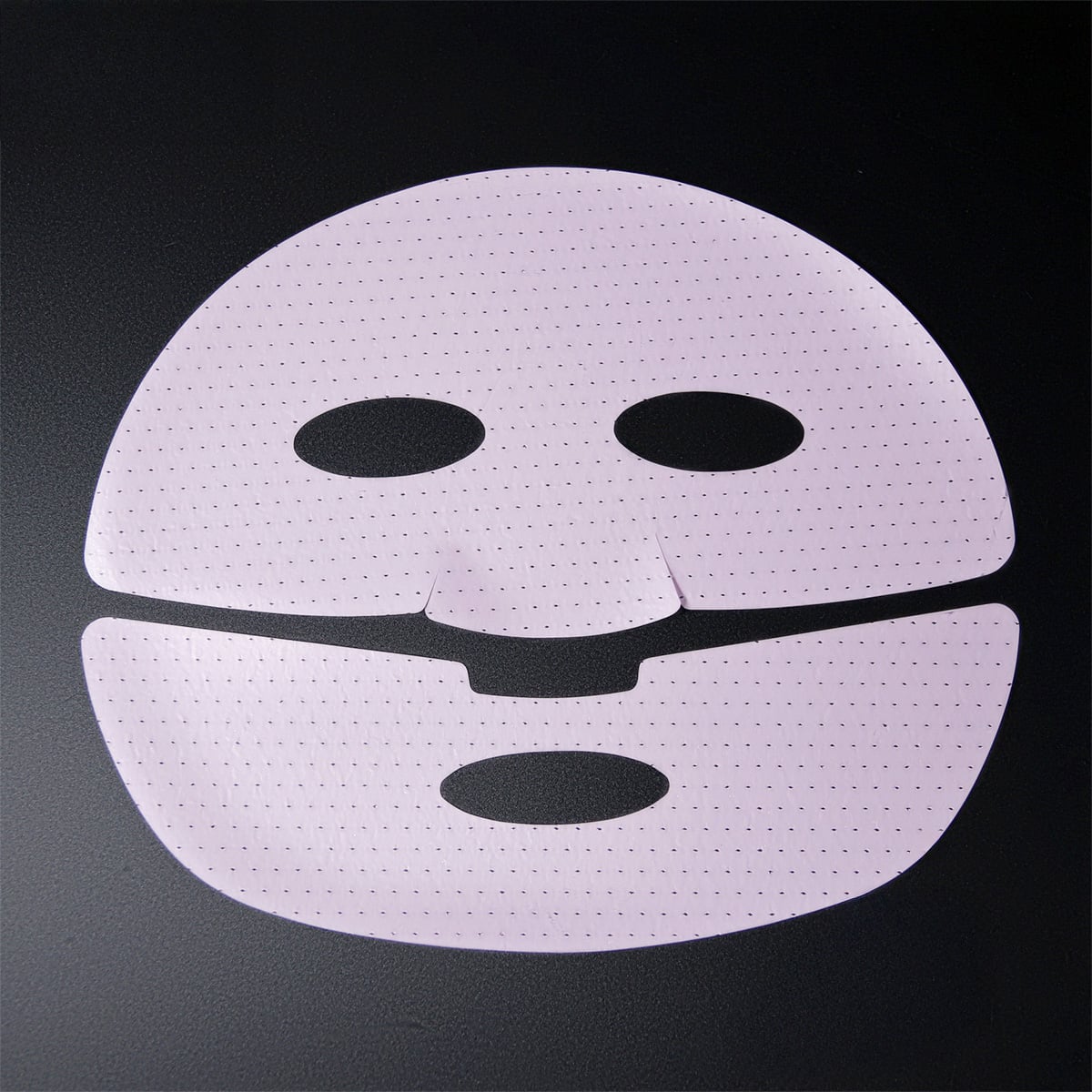
When applied, hydrating paper face masks form a temporary barrier over the skin's natural hydrolipidic film, which acts like a protective layer made from sweat, oils, and sebum. This creates a physical shield that cuts down on water loss through the skin by around 30%, according to various studies on how well these masks block moisture escape. The mask sticks snugly to the face, locking in hydration while letting beneficial ingredients penetrate gradually. Users often notice an immediate plumping effect as their skin gets hydrated, and continued use helps boost ceramide production over time. Regular application keeps the outermost layer of skin properly moisturized, speeding up the body's own repair processes. Clinical tests have found that most people report significantly less dryness after just four weeks of consistent use, with nearly 98% saying they felt noticeable improvements.
Occlusive mechanism of paper-based sheet masks: fabric porosity, aqueous phase retention, and enhanced ingredient penetration
Paper masks leverage three synergistic properties to optimize hydration delivery:
-
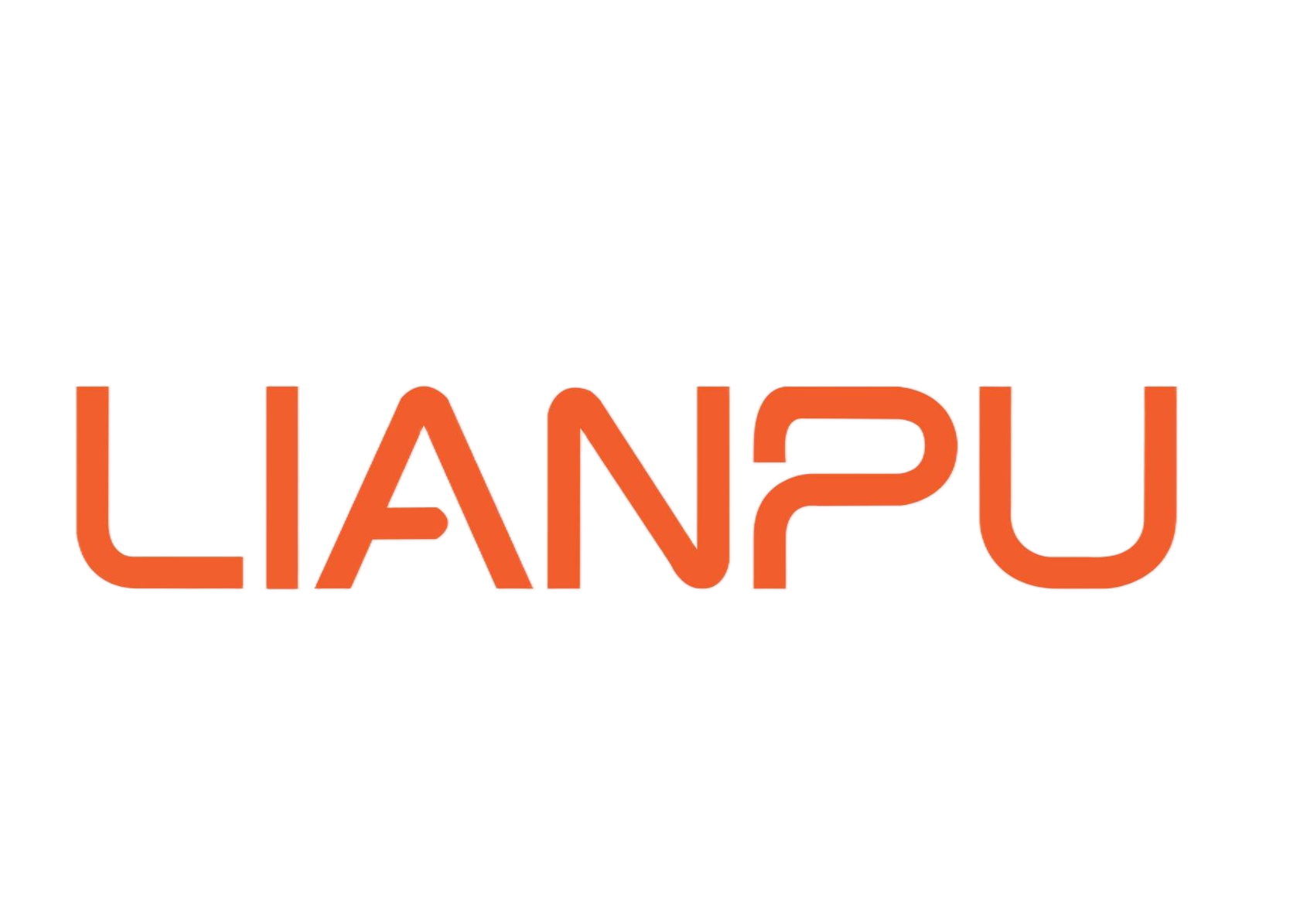
Fabric porosity: Plant-derived fibers (e.g., cotton, bamboo) form micro-channels that regulate serum release while preserving breathability.
-
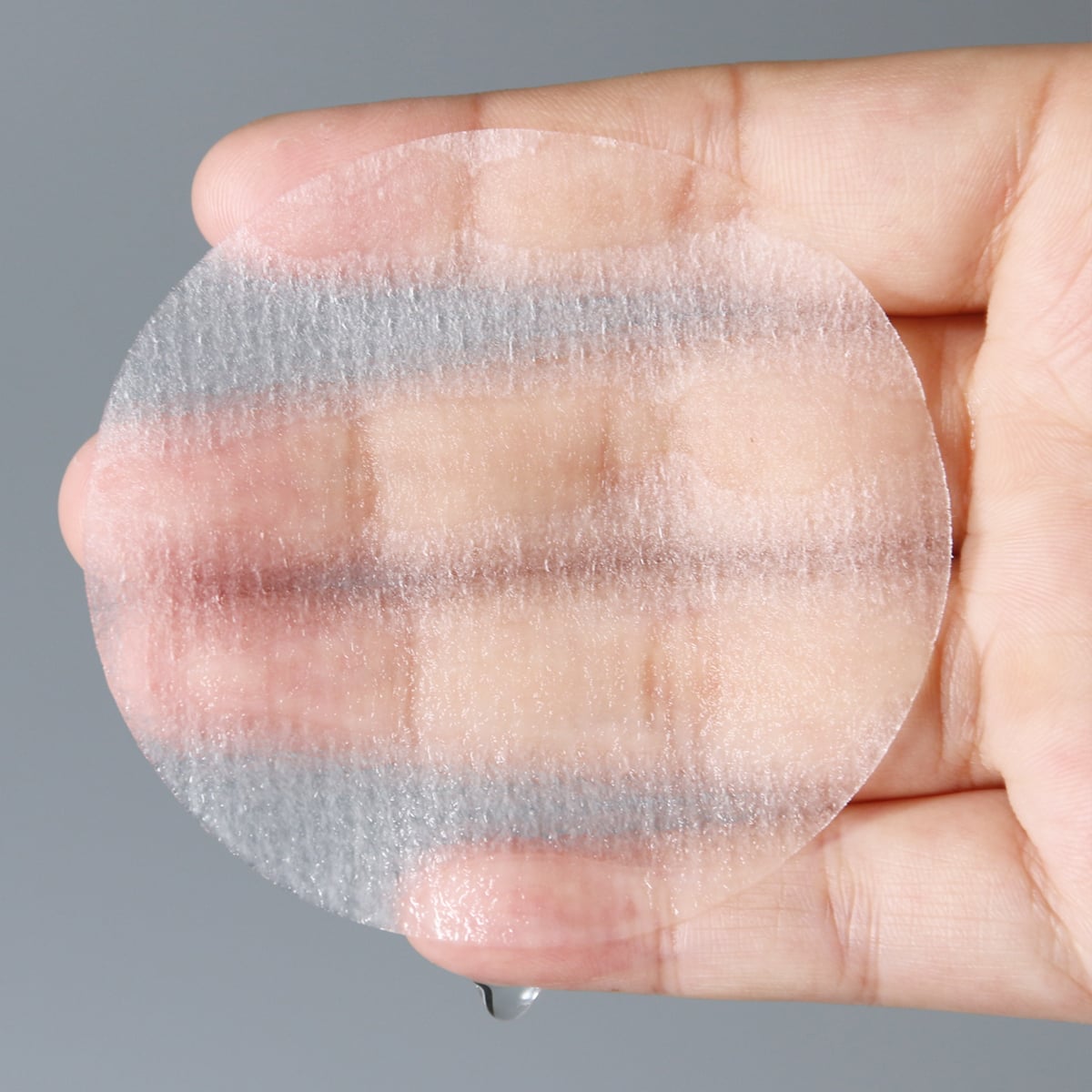
Aqueous retention: Hydrophilic paper holds up to 10x its weight in serum outperforming synthetic alternatives and extends ingredient contact time.
-
Penetration enhancement: Occlusion gently raises skin temperature by ~0.5°C, expanding pores and increasing active ingredient absorption by approximately 60%.
This triad makes paper an ideal delivery system for barrier-repairing actives like ceramides. Its biodegradability further reduces environmental impact compared to polymer-based masks.
Key Active Ingredients in Hydrating Paper Face Masks
The efficacy of hydrating paper face masks hinges on scientifically validated actives that penetrate skin layers to reinforce moisture barriers. These formulations strategically combine biomimetic compounds to address dehydration at multiple levels.
Hyaluronic acid: multi-molecular-weight hydration across epidermal layers
Hyaluronic acid comes in different sizes, each working in its own special way to hydrate the skin. The smaller molecules can actually get down into the deeper layers of the epidermis, providing long lasting moisture from within. Meanwhile, the larger molecules sit on top of the skin's surface, creating a protective barrier that helps prevent water loss through what scientists call TEWL (trans-epidermal water loss). What makes HA so effective is how these different sized molecules work together. Research indicates that when applied in face masks, hyaluronic acid can increase skin hydration levels by around 70% just 15 minutes after application according to findings published in the International Journal of Cosmetic Science back in 2022. Traditional products containing only one size of HA molecule don't compare to formulations that combine multiple molecular weights. These complex blends distribute moisture throughout all skin layers, starting at the outermost stratum corneum right down to the basal layer where new skin cells are formed.
Ceramides and niacinamide: synergistic barrier restoration and anti-inflammatory support
When used together, ceramides and niacinamide help repair damaged skin barriers and reduce redness and irritation. Ceramides act like glue between skin cells, keeping them stuck together and locking in moisture, while niacinamide actually boosts the body's own ceramide production by around 24%, according to research published in the Journal of Investigative Dermatology last year. What makes this combination so effective is how it stops those pesky inflammatory signals from getting out of hand and builds up that protective oily layer on the skin's surface. People who stick with products containing both ingredients typically notice their skin becomes about 45% stronger at holding moisture in and experiences roughly 30% fewer flare ups compared to when they only use one ingredient alone over time.
Measurable Skin Health Benefits of Consistent Hydrating Paper Face Mask Use
From plumping to glow: linking short-term hydration to long-term radiance and resilience
Regular use delivers clinically validated improvements across three key dimensions:
-
Immediate plumping: Hyaluronic acid infusion reduces visible fine lines by 27% within 20 minutes (International Journal of Cosmetic Science, 2022)
-
Cumulative radiance: Bi-weekly application over 4 weeks increases skin luminosity by 33% through optimized ceramide delivery
-
Barrier resilience: 12-week regimens reduce transepidermal water loss (TEWL) by 41%, fortifying against environmental stressors
This progression from transient hydration to lasting structural enhancement occurs via two complementary mechanisms:
-
Short-term water retention creates a reservoir in the stratum corneum, enabling rapid plumping
-
Sustained barrier reinforcement from ceramides and niacinamide builds epidermal cohesion, converting initial hydration into durable radiance
Clinical data confirms that consistent users exhibit 22% higher collagen density after 6 months compared to intermittent users demonstrating how strategic hydration translates to measurable anti-aging outcomes.
Why Paper-Based Delivery Excels for Hydrating Face Masks
Superior absorption efficiency and biodegradability of plant-derived paper vs. synthetic alternatives
When it comes to hydrating face masks, paper made from plants beats synthetic options hands down because of how well it absorbs moisture and is better for the planet. Cellulose fibers in these papers have tiny channels that soak up about 40 percent more serum compared to polyester mixes. This means our skin stays covered longer, cutting down on water loss by around 22% while we wear the mask. The extra absorption helps deliver those moisturizing ingredients right where they're needed most in dry patches of skin. Plus, after we toss them away, plant based papers will break down naturally in just 8 to 12 weeks. That's a world of difference from plastic synthetics which can take hundreds of years to disappear. With both better hydration results and a much smaller impact on the environment, paper remains the top choice for anyone looking to boost their skin's moisture levels without harming nature.
 EN
EN
 Hot News