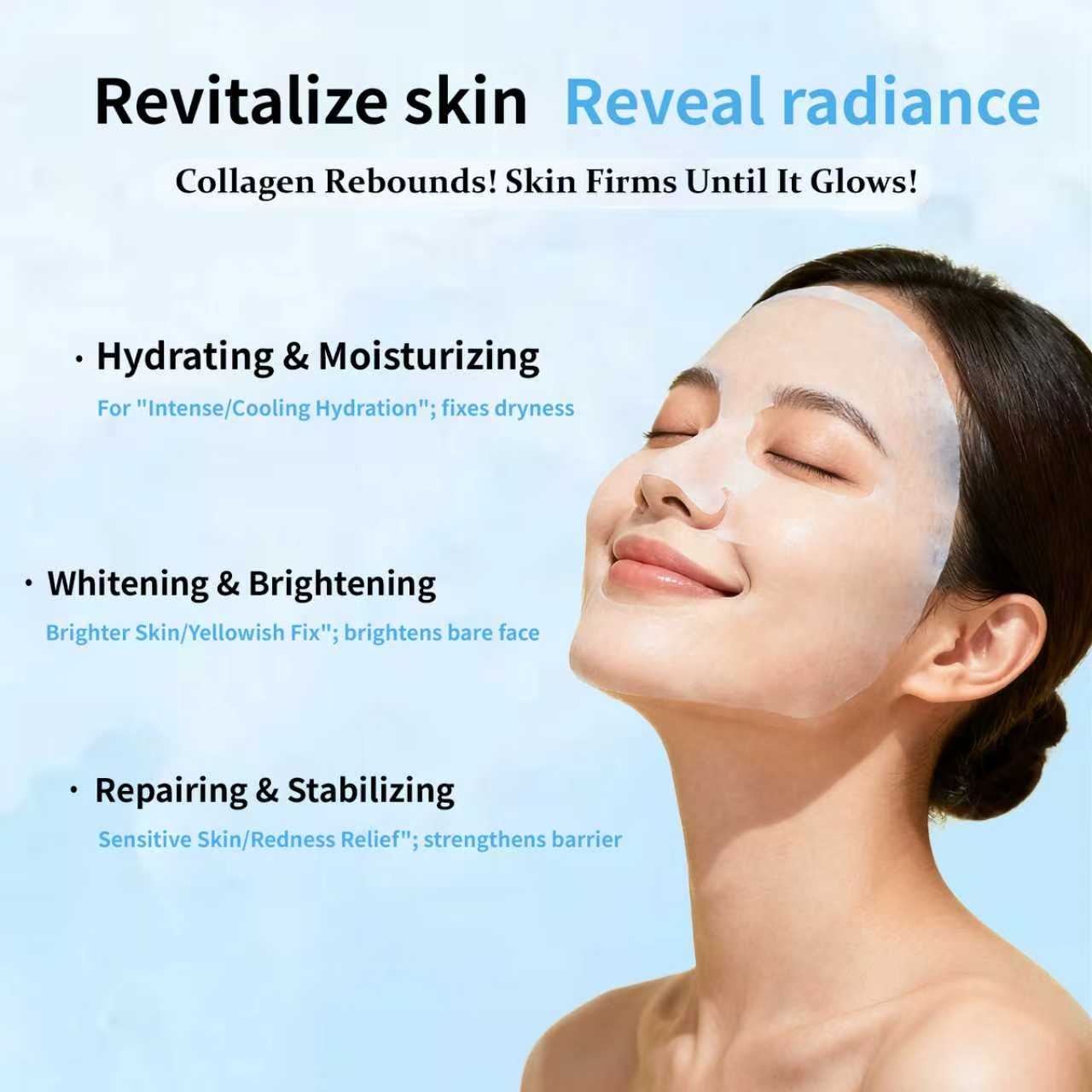
Market Demand and Consumer Behavior Driving Adoption of Salicylic Acid Toner Pads
Rising Preference for Convenience, Precision, and Compliance in Acne-Targeted Regimens
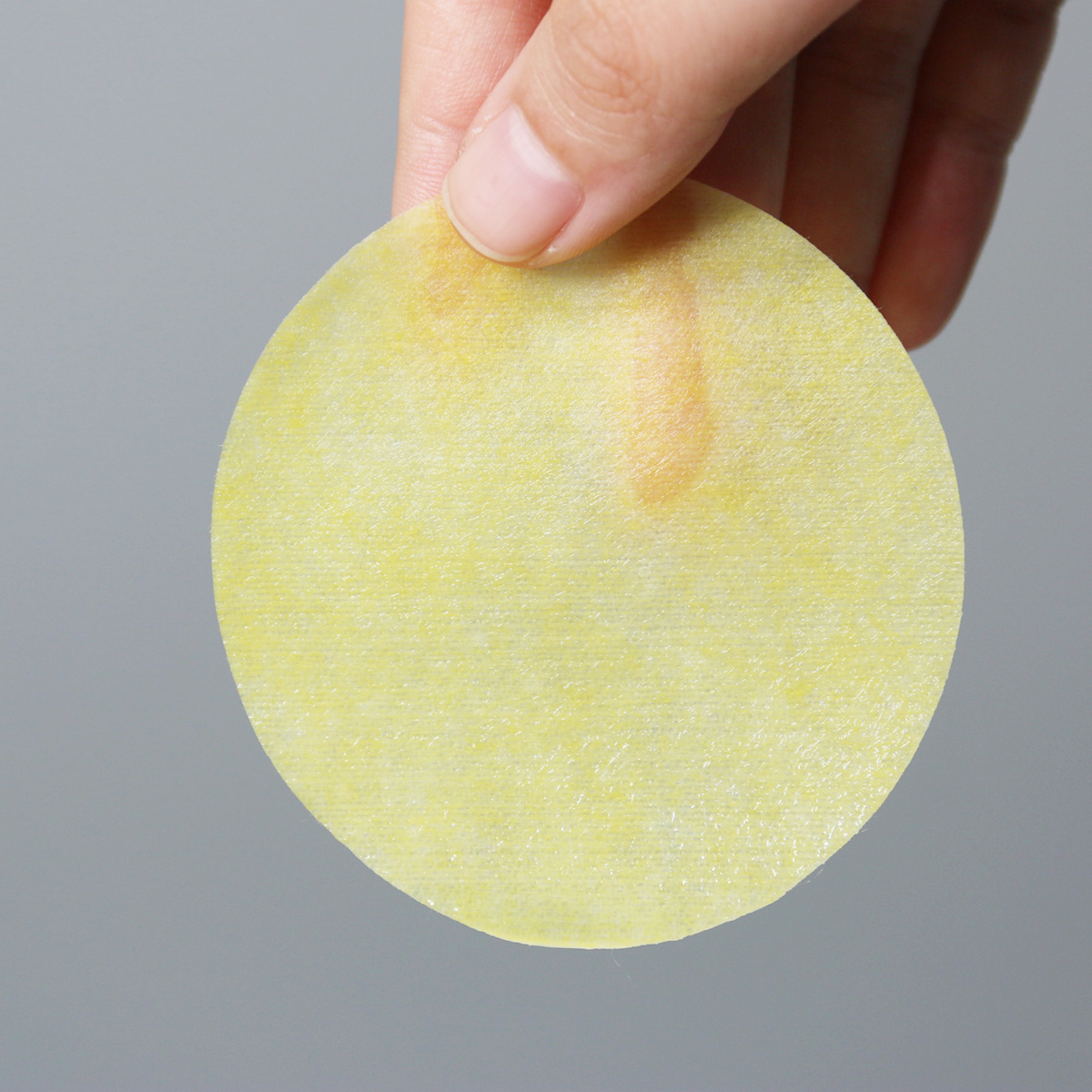
People who struggle with acne are starting to look for skincare products that make their routine easier without cutting corners on results. Salicylic acid toner pads check all these boxes since they apply exactly the right amount without making a mess. No more worrying about spills or uneven coverage from regular liquid toners. These pads come soaked with just the right strength (around 2%) of salicylic acid so skin gets what it needs without becoming too dry. Research into how people actually use these products shows something interesting: when everything comes ready to go in one step, folks stick with their routine about 40% better. That matters a lot at night when everyone's tired and just wants to get to bed. Plus, the gentle scrubbing action of the pads helps the acid work deeper into the skin, which makes those pesky pimples break down more consistently over time.
E-commerce and Social Commerce Trends Favoring Pre-Dosed, Travel-Ready Formats
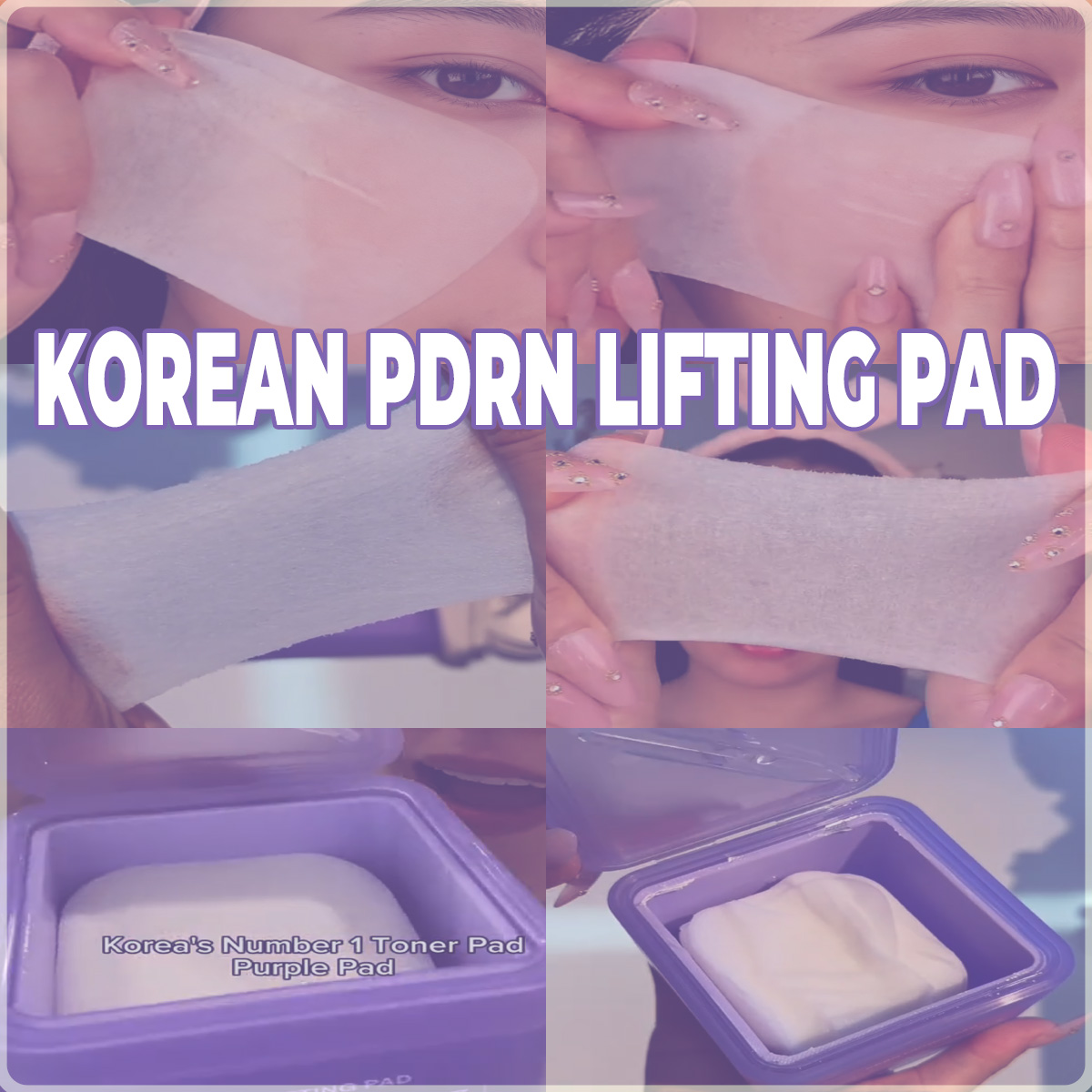
The rise of digital shopping has completely changed what people expect from beauty packaging these days. About two thirds of folks buying beauty products online really care about packages that won't leak and are easy to take on trips. Take salicylic acid toner pads for instance they're doing really well right now. These products come in sealed compartments that hold up during shipping and look great when someone opens them for the first time. The design works perfectly with social media visuals too, making those unboxing videos super appealing and allowing clear step-by-step tutorials on platforms like TikTok and Instagram where skincare routines often go viral. Plus, their small size meets TSA requirements so travelers aren't stuck with bulky items. And according to some logistics experts, the solid form of these pads cuts down returns by around 30% compared to liquid versions because there's no messy leakage during delivery that damages other packages.
Regulatory, Manufacturing, and Supply Chain Advantages of Salicylic Acid Toner Pads
Simplified Stability Protocols and Reduced Risk of Oxidation vs. Liquid Toners
Salicylic acid toner pads actually solve many of the stability problems that come with regular liquid formulas. These pads come already soaked in product, so they don't sit around exposed to air and sunlight which tends to break down the good stuff in bottles over time. For manufacturers this means no need for those expensive gas flushes or special UV protection packaging that adds to costs. Most people find that these pads last anywhere from 6 to maybe even 18 months before they start losing effectiveness because the sealed environment keeps them dry and free from bacteria growth. Plus, when companies automate how they fill these pads instead of manually pouring liquids, they get much better results between batches and their production lines run smoother overall.
Lower Regulatory Burden: Pre-Saturated Pads as Cosmetic Devices vs. OTC Drug Claims
Most pre-saturated salicylic acid toner pads fall under cosmetics regulations rather than being classified as over-the-counter medications by the FDA's monograph system. The key difference comes down to how these products are marketed - if they're sold for basic exfoliation or skin cleansing purposes rather than claiming to treat actual acne conditions. This means companies don't have to go through all those lengthy drug approval processes with their expensive clinical trials and comprehensive quality control checks. For skincare brands, this translates into getting products onto store shelves much quicker, cutting down paperwork requirements significantly, and having more freedom when crafting promotional messages. To keep things compliant though, marketers need to be super careful about what they say. No talking about curing skin issues or medical benefits. Instead, focus on making skin feel smoother, looking at pore size improvements, or simply describing better overall skin appearance after regular use.
Formulation Science: Optimizing Efficacy and User Experience in Salicylic Acid Toner Pads
Controlled Release Kinetics via Pad Material Selection (Cellulose vs. Nonwoven Blends)
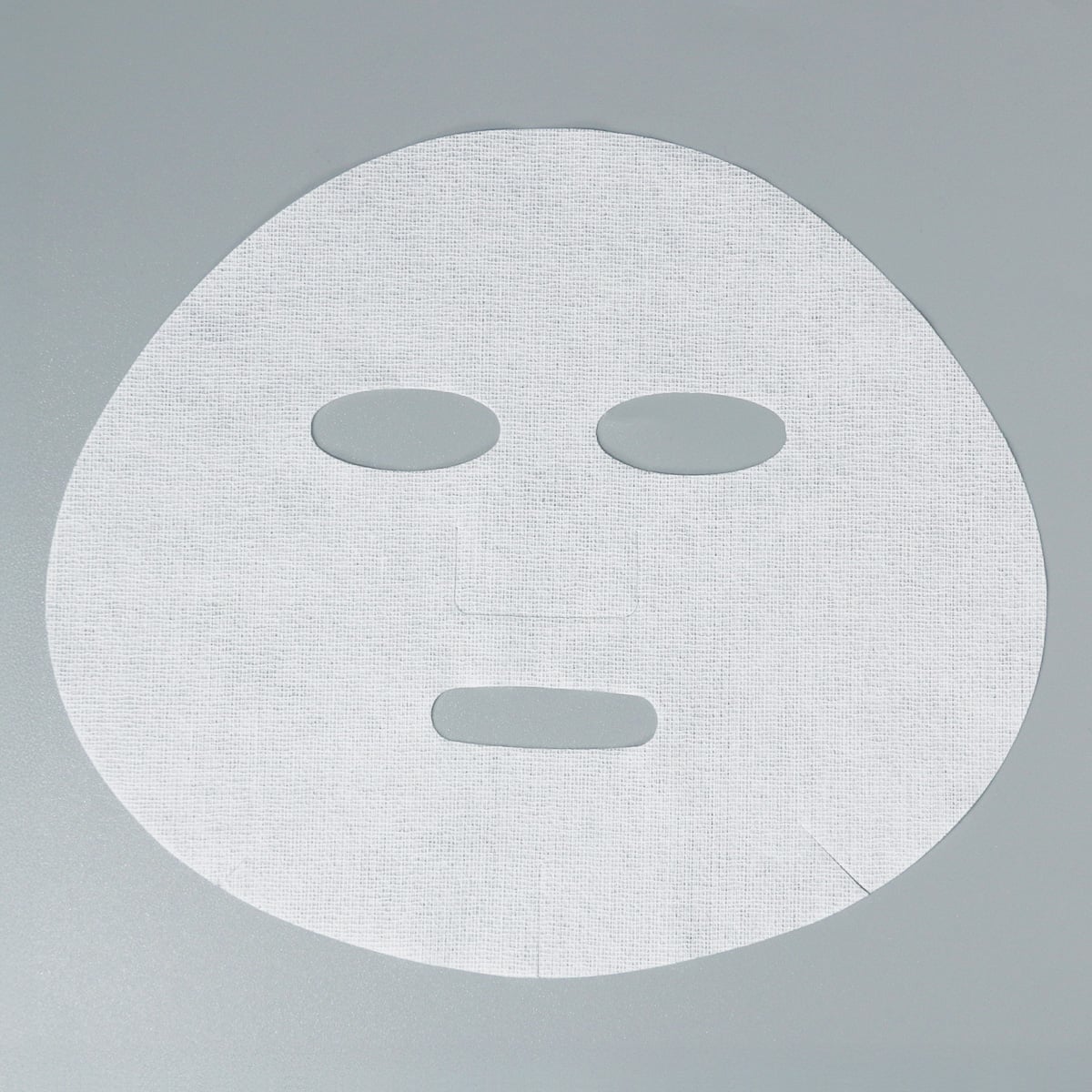
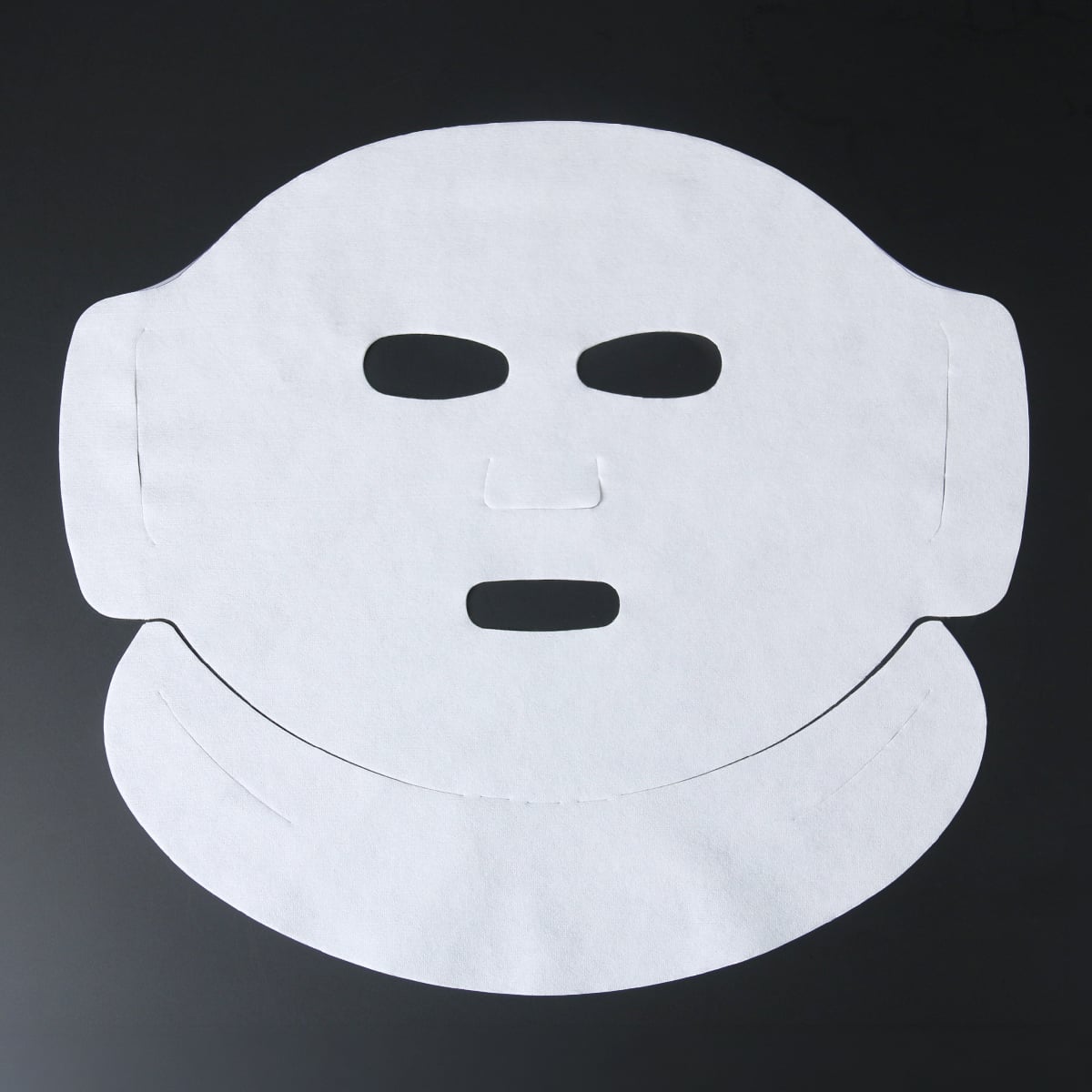
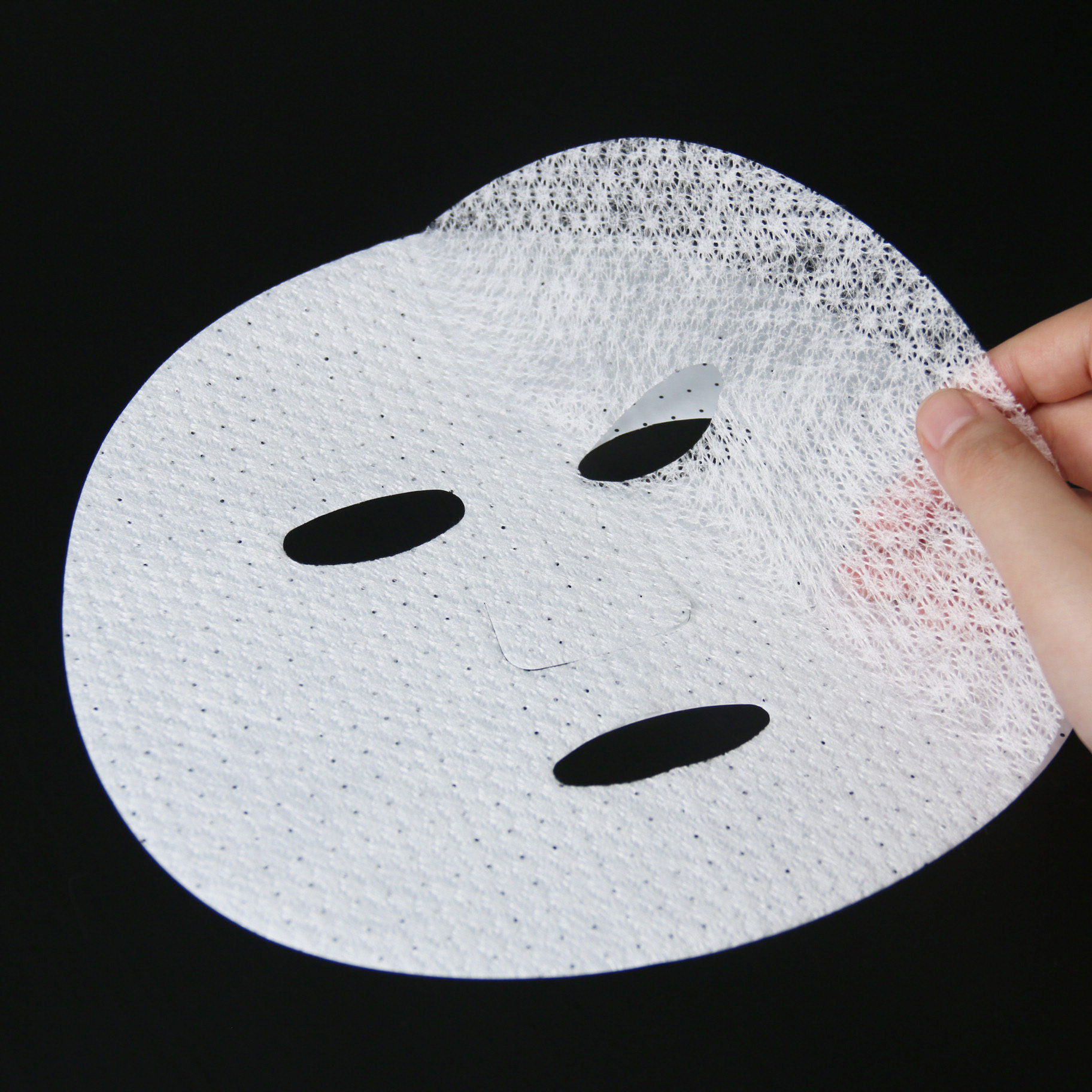
The type of pad material used makes all the difference in how salicylic acid works on the skin surface. When products use cellulose based materials, they tend to release the active ingredient more slowly over time. This prevents the skin from getting saturated too quickly and allows for longer lasting exfoliation benefits. Clinical studies have found these pads can cut down on irritation risks by around 30-35% when compared to regular liquid toners. For people dealing with oily skin and clogged pores, non woven synthetic blends work better because they deliver a quick burst of the acid right away. The porosity factor is another important consideration. Cellulose materials don't soak up as much moisture as those synthetic alternatives, which means there's less chance of bacteria growing in the product. This actually makes it easier for manufacturers to keep their products safe without needing harsh preservatives.
pH-Driven Keratolytic Potency: How Pad Delivery Enhances Epidermal Penetration
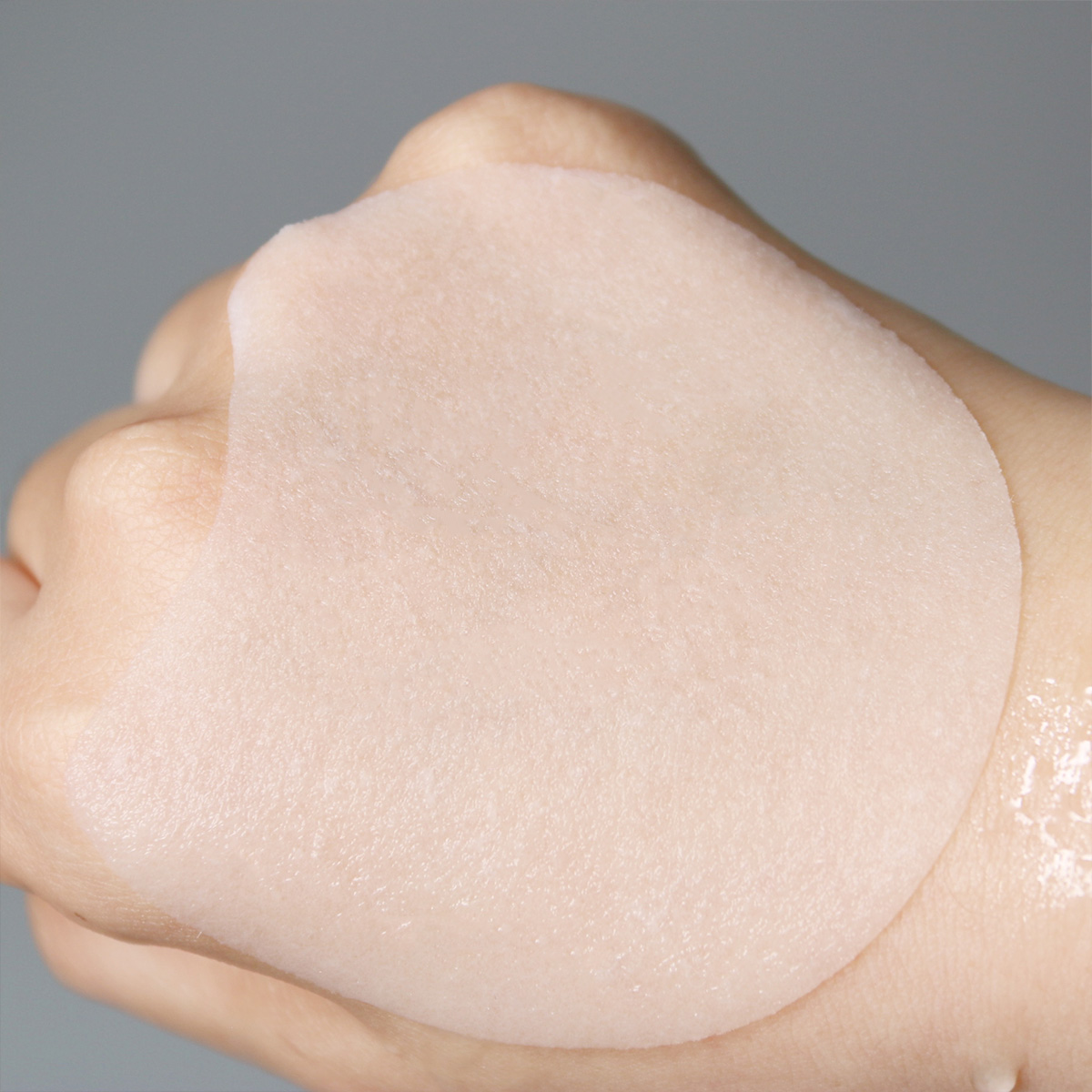
The pre-saturated pads keep salicylic acid right around its best working pH level, somewhere between 3.2 and 3.8. When the acid stays at this acidic level, most of it stays in a form that can actually get through the skin layers. Tests show this means about 40% better absorption compared to when the acid is mixed with neutral liquids. Dropper bottles tend to lose their effectiveness over time as the pH changes, but these pads lock everything in place without needing extra stabilizers or antioxidants. Plus, when someone applies the pad, the physical contact helps break down those tiny lipid connections between skin cells. All together, this makes each treatment session consistently effective something regular squeeze bottles just cant match up to.
Commercial Differentiation and Brand Strategy with Salicylic Acid Toner Pads
The skincare market is pretty crowded these days, but salicylic acid toner pads offer companies a way to stand out through three main areas. First off, those pre-measured pads actually help people stick with their routines better than regular liquid toners do. Who wants to measure out the right amount every time? Definitely not busy consumers looking for something quick and accurate. Second, there's the science behind these products that can become real intellectual property advantages. Some companies have developed special pad materials that control how fast the ingredients work or keep them at just the right pH level for maximum absorption. These kinds of innovations often lead to patents too. Third, eco-friendly designs really hit home with younger shoppers. We're talking minimal packaging and biodegradable materials here. According to Deloitte from last year, around two thirds of Gen Z buyers care a lot about environmental impact when picking out treatments for acne issues. When brands combine easy-to-use formats, proven effectiveness backed by research, and genuine commitment to sustainability, they don't just sell products anymore. They create premium skincare experiences that customers are willing to pay significantly more for compared to generic options on the shelf.

 EN
EN
 Hot News