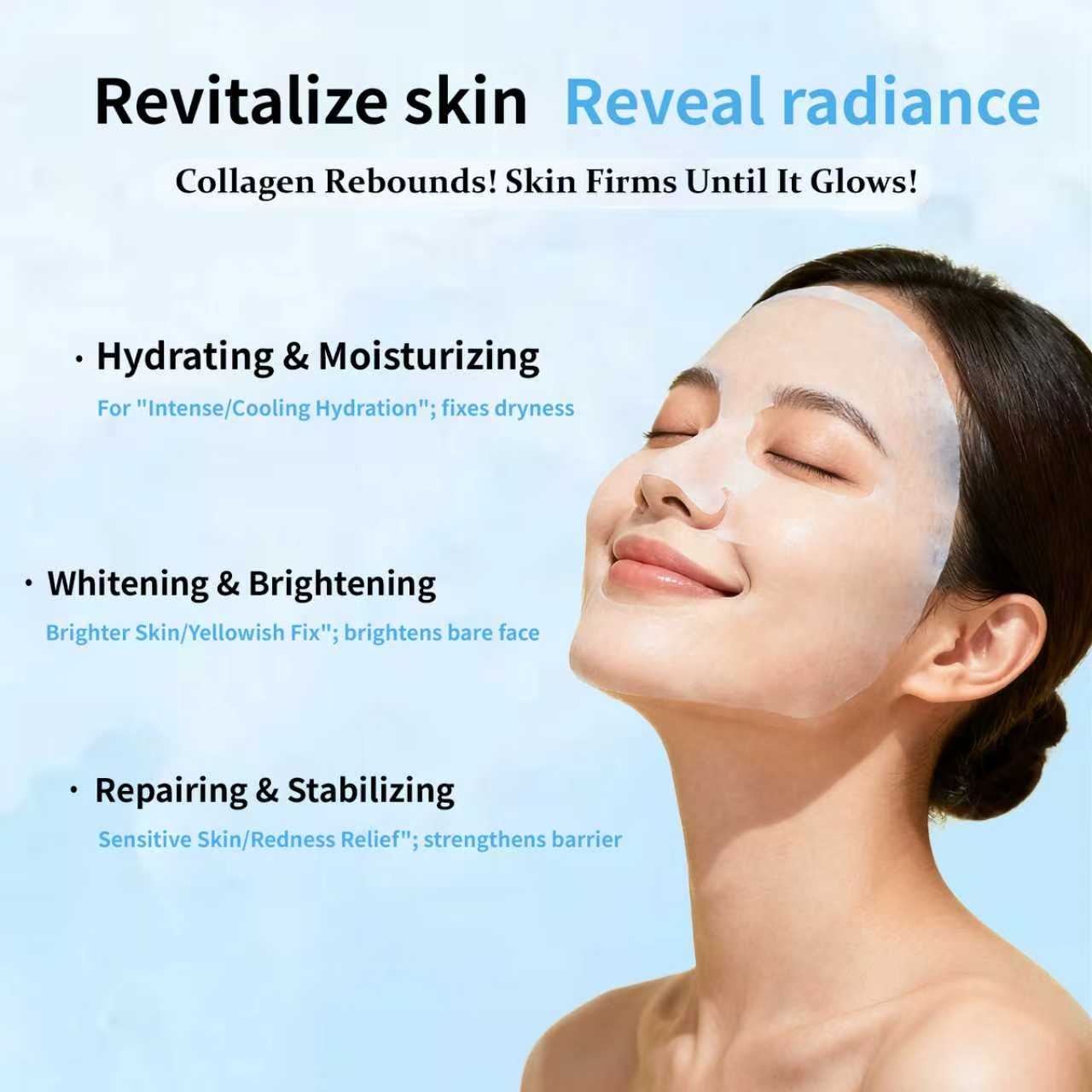
Understanding Maskne: How Facial Mask Cloth Triggers Irritation and Acne
The Occlusion-Friction-Microbiome Triad in Facial Mask Cloth–Induced Breakouts
Maskne, which is basically acne caused specifically by wearing face masks, comes down to three main things working together. When someone wears a mask for a while, the fabric tends to trap body heat and all that breath we exhale creates this damp spot on our faces. Studies have found this can actually make skin about 30 to 50 percent more hydrated than normal according to research published in the Journal of Investigative Dermatology last year. What happens next? Well, as people move around, the fabric rubs against their skin constantly, causing tiny tears in those little hair follicles that then get inflamed. At the same time, all that extra moisture changes the skin's natural balance, making it easier for bad bacteria like Cutibacterium acnes to take hold. These three problems feed off each other in a nasty cycle: the rubbing hurts the skin first, then the trapped moisture lets bacteria grow, and finally the bacteria makes everything worse. People who keep their masks on for longer than four hours tend to notice these issues most around the jaw area and right above the nose where the mask sits tightest.
Clinical Insights: Cotton vs. Polyester-Blend Facial Mask Cloth in Healthcare Workers
Healthcare workers wearing masks 8+ hours daily reveal critical material trade-offs. Cotton-based facial mask cloth demonstrates superior breathability, reducing humidity buildup by 40% compared to polyester blends (Occupational Medicine 2023). Its natural fibers also minimize friction-related irritation through smoother surface texture. However, polyester blends offer advantages in high-exposure settings:
| Property |
Cotton |
Polyester-Blend |
| Moisture Wicking |
High |
Moderate |
| Friction Coefficient |
Low (0.15) |
High (0.28) |
| Durability |
Moderate |
High |
Despite polyester’s durability, 68% of nurses in a 2023 cohort study reported higher acne incidence with synthetic blends due to residual moisture retention. For sensitive skin, cotton’s lower allergenic potential and breathability make it preferable for daily use, while polyester remains viable only when fluid resistance is paramount.
Optimizing Fit and Reducing Friction Damage from Facial Mask Cloth
Biomechanics of Ear Loop Tension and Contact Pressure Distribution
Too tight ear loops can cause uncomfortable pressure spots behind the ears and along the cheeks, leading to faster friction damage. Masks that are improperly fitted often exert over 0.5 Newtons per square millimeter of pressure, which means shear forces start breaking down the skin's protective barrier after just two hours of wearing them. This kind of mechanical stress causes the skin to lose moisture through its surface and develop tiny tears, especially in areas where the face naturally curves and creates pressure differences. Getting the right balance between loop flexibility and facial shape matters a lot here. Stiff loops tend to push all the pressure onto the cheekbones, whereas more elastic ones spread the weight around better. Research using pressure maps indicates that masks keeping contact pressure below 0.3 N/mm² cut down on irritation from friction by about two thirds when compared with regular mask designs.
Practical Adjustments: Nose Wire Integration and Layered Edge Design
Integrating malleable nose wires eliminates nasal gap leakage, enabling looser ear loops without compromising filtration. Bendable alloys contour seamlessly to nasal bridges, reducing required strap tension by 40% while maintaining N95-equivalent seal efficiency. For friction-prone areas, triple-layered edge designs prove critical:
- Inner wicking layer (moisture transport)
- Cushioned microfiber barrier (pressure dispersion)
- Outer binding (structural integrity)
This configuration lowers textile-skin friction coefficients by 0.12‰ compared to single-layer edges. Combined with adjustable toggle systems for personalized tensioning, these modifications cut pressure ulcer incidence by 52% during extended wear scenarios.
Selecting the Right Facial Mask Cloth Material for Sensitive Skin
Cotton, Bamboo, and Tencel: Comparative Breathability and Allergenic Potential
When picking fabrics for sensitive skin, it's all about finding the right mix between breathability and materials that won't cause allergic reactions. Most people find natural fibers work best here. Cotton has long been known for being gentle on skin and letting air circulate well, which helps prevent those uncomfortable irritations from happening when skin gets too warm or sweaty. Bamboo fabrics seem to be gaining popularity these days because studies suggest they wick away moisture about 18% better than regular cotton according to some research published last year. Plus, bamboo naturally contains substances that fight off microbes without needing extra treatments. Another good option is Tencel or lyocell fabric. What makes this material stand out is how smooth it feels against the skin, so there's less rubbing and irritation. The way it's made from wood pulp also means fewer harsh chemicals end up in the final product compared to many other synthetic options on the market today.
Consider these key comparisons:
| Material |
Breathability Index |
Allergenic Risk |
Moisture Control |
| Cotton |
High |
Very Low |
Moderate absorption |
| Bamboo |
Very High |
Low |
Rapid wicking |
| Tencel |
Excellent |
Negligible |
Active regulation |
Avoid synthetics like polyester blends, which retain seven times more bacterial load than natural fibers (Dermatology Reports 2022) and often contain formaldehyde-based finishes. For reactive complexions, prioritize certified organic versions of cotton, bamboo, or Tencel in facial mask cloth to ensure absence of pesticide residues and toxic dyes.
Maintaining Hygiene: Effective Cleaning Protocols for Reusable Facial Mask Cloth
Washing Temperature, Detergent Choice, and Drying Methods That Prevent Residue and Microbial Carryover
When it comes to keeping reusable face masks clean, there are a few key things people need to remember. First off, washing them at around 60 degrees Celsius (about 140 Fahrenheit) really helps kill germs on the fabric. Studies indicate that this hotter water can cut down bacteria survival rates by nearly all, much better than regular laundry temperatures. For detergent, go with something without added fragrances or harsh chemicals since those can leave behind stuff that clogs pores and causes breakouts. Fabric softener is definitely out of the question because it actually weakens the mask material over time and makes it worse at filtering particles. Whenever possible, let masks dry naturally in the sun since sunlight has those helpful UV rays that act like a natural cleaner. If using a dryer is unavoidable, stick to low heat settings to protect the fibers from getting damaged or shrinking too much. Just make sure everything is completely dry before putting masks away somewhere safe. Moisture left inside creates perfect conditions for microbes to grow. Stick with these basic guidelines and most masks will stay effective for about ten washes or so without developing acne issues or falling apart prematurely.

 EN
EN
 Hot News