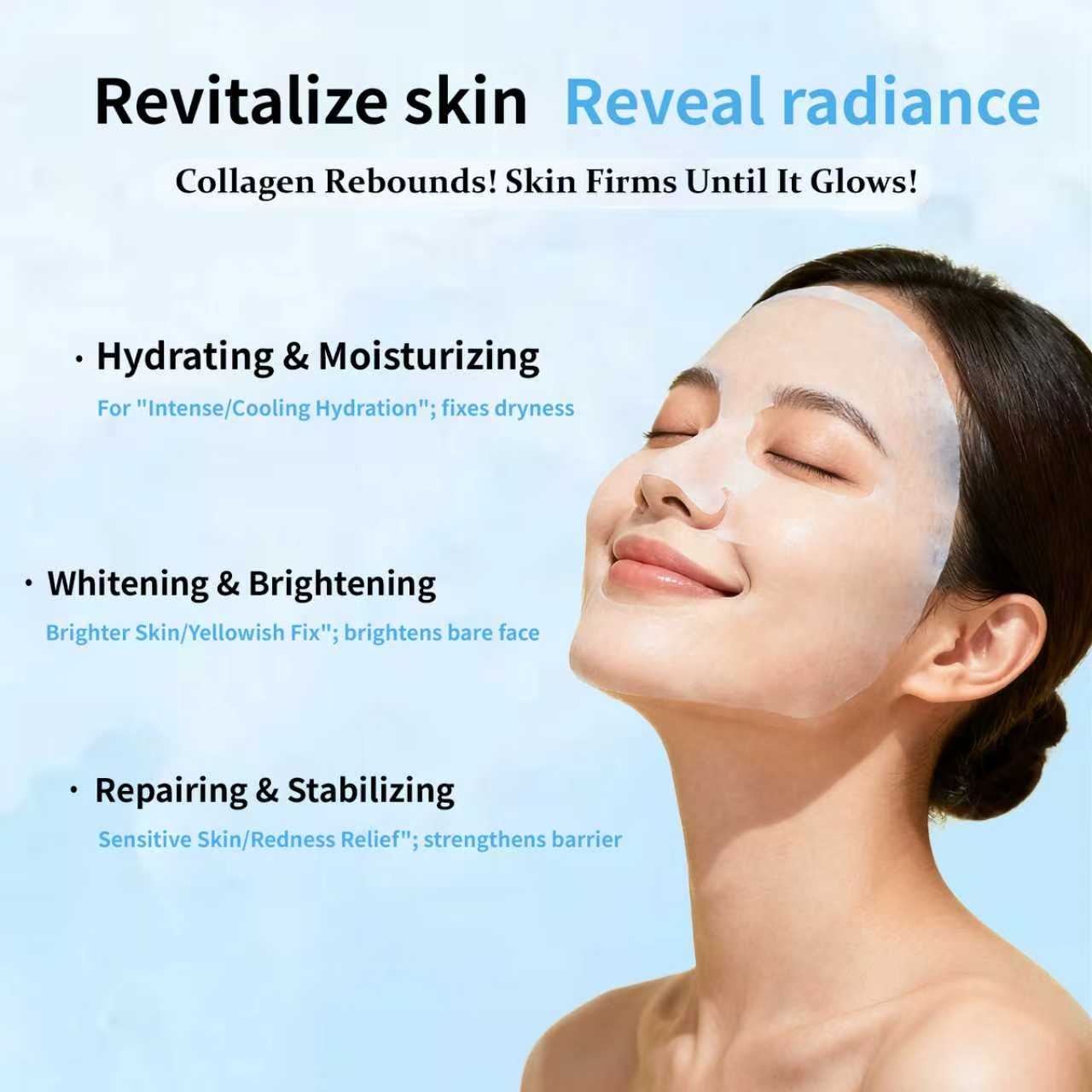
Choosing the right facial mask format is a critical decision for skin care brands, formulators, and procurement professionals alike. A collagen face mask has earned a strong reputation in the professional skin care industry for its ability to deliver deep hydration, support skin barrier function, and provide a premium treatment experience. Yet the market offers many competing formats, from clay masks and sheet masks to gel patches and peel-off formulas, each with distinct properties and use cases. Understanding how a collagen face mask stands apart from these alternatives is essential for making informed sourcing and product development decisions.
This comparative guide examines the collagen face mask alongside other popular mask categories. The goal is not to declare one format universally superior, but to clearly map where a collagen face mask excels, where alternatives may serve better, and how brands can match the right format to their target consumer and positioning strategy. Each mask type brings a different ingredient delivery mechanism, sensory profile, and manufacturing consideration. Knowing those differences helps you build a more competitive and well-reasoned product line.
What Makes a Collagen Face Mask Unique
Material Composition and Delivery Mechanism
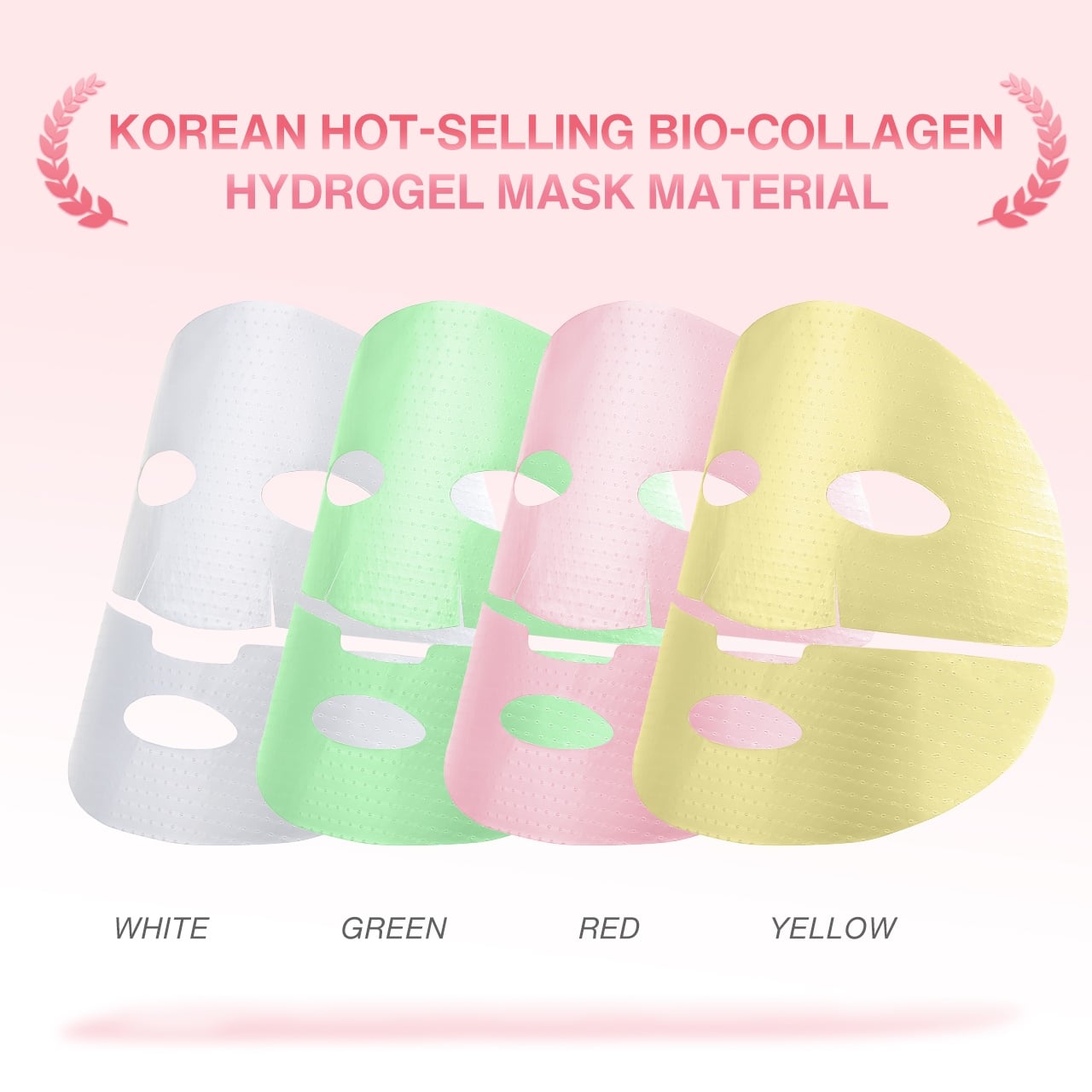
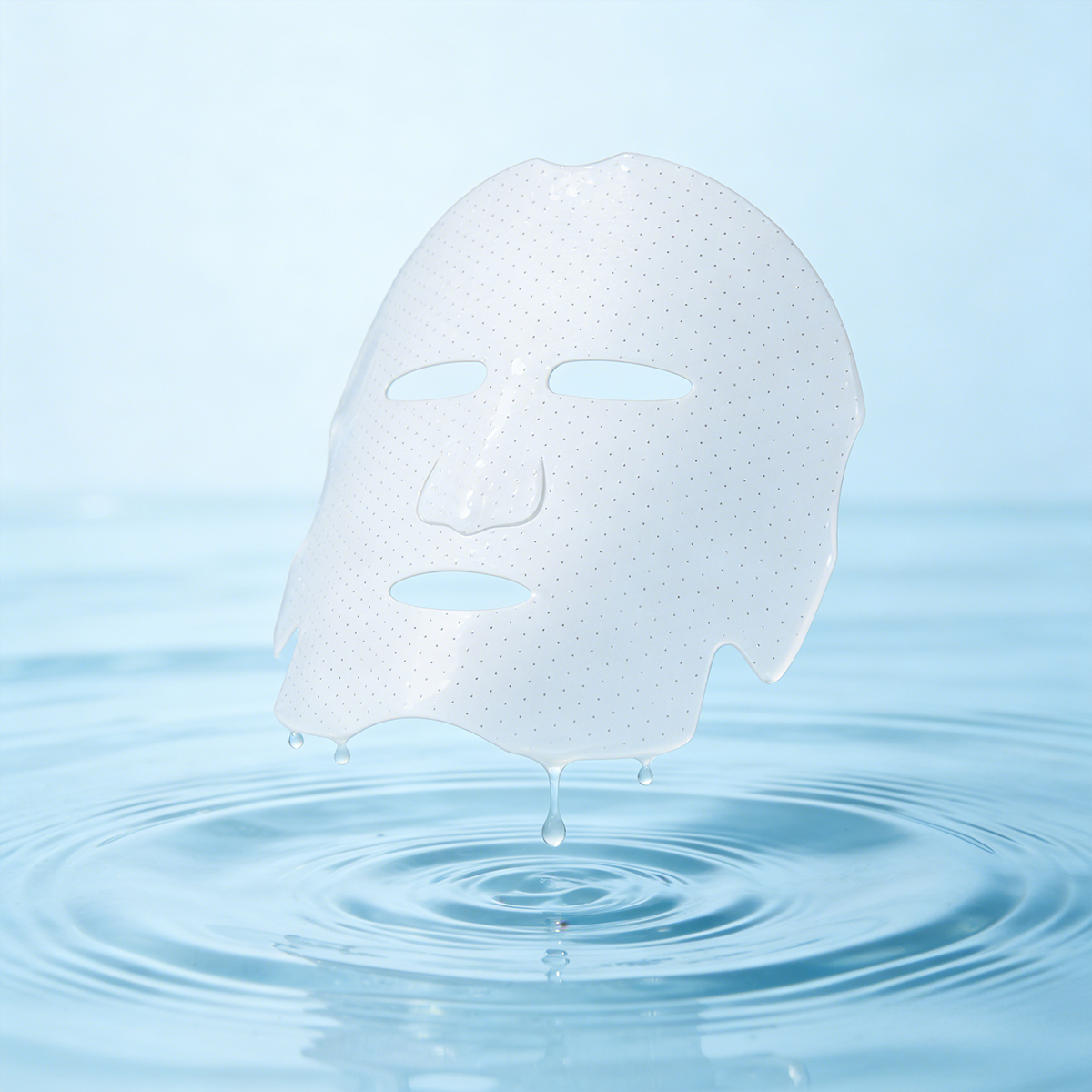
A collagen face mask is typically constructed from a bio-collagen hydrogel matrix that forms direct contact with the skin surface. Unlike a conventional fiber sheet mask soaked in serum, the collagen face mask material itself acts as the active delivery vehicle. The hydrogel structure holds a high concentration of moisture and active ingredients, releasing them gradually during wear. This sustained-release mechanism is a significant advantage over formats that rely solely on external serum saturation.
The collagen used in a collagen face mask is often derived from marine or bovine sources and processed into a film or gel layer. This structure creates an occlusive seal that reduces transepidermal water loss during the masking session. The result is a noticeably more intense hydration outcome compared to standard non-woven sheet masks. For brands targeting premium anti-aging or intensive care segments, the collagen face mask format provides a credible, ingredient-forward story that resonates with educated consumers.
Sensory and User Experience
A collagen face mask offers a cooling, smooth-textured application that many users describe as noticeably more luxurious than cloth or paper alternatives. The gel-like feel of the collagen face mask clings closely to facial contours, which improves both comfort and ingredient absorption. This tactile difference is not cosmetic — it reflects the genuine difference in how the collagen face mask interacts with skin compared to looser or rougher substrate types. For product developers, the premium feel of a collagen face mask translates directly into stronger perceived value and higher acceptable price points.
Comparing the Collagen Face Mask to Other Formats
Collagen Face Mask vs. Clay and Mud Masks
Clay and mud masks operate through a fundamentally different mechanism than a collagen face mask. Clay formats draw out impurities and excess sebum through absorption, making them well suited for oily or acne-prone skin types. However, clay masks can strip moisture from the skin if overused, and they do not deliver collagen, peptides, or hydrating actives in the same way a collagen face mask does. A collagen face mask is designed to replenish and strengthen rather than purify, making the two formats complementary rather than interchangeable. Brands offering both cover a much wider range of consumer skin concerns.
Collagen Face Mask vs. Standard Sheet Masks
Standard non-woven sheet masks are the most common format in the mass market. They are cost-effective, easy to manufacture, and widely recognized by consumers. However, a collagen face mask outperforms a standard sheet mask in several measurable ways. The collagen face mask substrate holds significantly more serum per unit area, maintains better facial contact, and delivers actives with greater consistency. The collagen face mask also tends to stay moist for longer, extending the effective treatment window. For brands competing above the entry-level price tier, the collagen face mask provides a clear differentiation point that justifies the higher unit cost.
Peel-off masks offer a satisfying removal experience but their occlusion period is shorter and their active ingredient capacity is limited. Gel patch formats, often used under the eyes, target specific zones but cannot replicate the full-face treatment that a collagen face mask delivers. Each format has its retail niche, but the collagen face mask remains the most complete single-use treatment option among hydration-focused alternatives.
When to Choose a Collagen Face Mask for Your Product Line
Target Consumer and Positioning Fit
A collagen face mask is most strategically appropriate for brands targeting consumers aged 28 and above who are actively concerned with hydration, firmness, and visible signs of aging. The collagen face mask aligns naturally with premium spa brands, professional treatment lines, and dermatology-adjacent skin care ranges. If your positioning relies on clinical credibility or ingredient efficacy, the collagen face mask format communicates that value more effectively than most alternatives. The material itself becomes part of the product story.
Brands entering the professional or medical-aesthetic channel should also consider the collagen face mask as a core SKU. In those environments, the collagen face mask is often used as a post-procedure treatment to soothe and accelerate recovery. Its occlusive, hydrating properties make the collagen face mask a natural fit for post-laser, post-peel, and post-microneedling protocols. This professional positioning also creates a powerful bridge to the retail consumer market, where the 'professional-grade' story drives purchase decisions.
Manufacturing and Sourcing Considerations
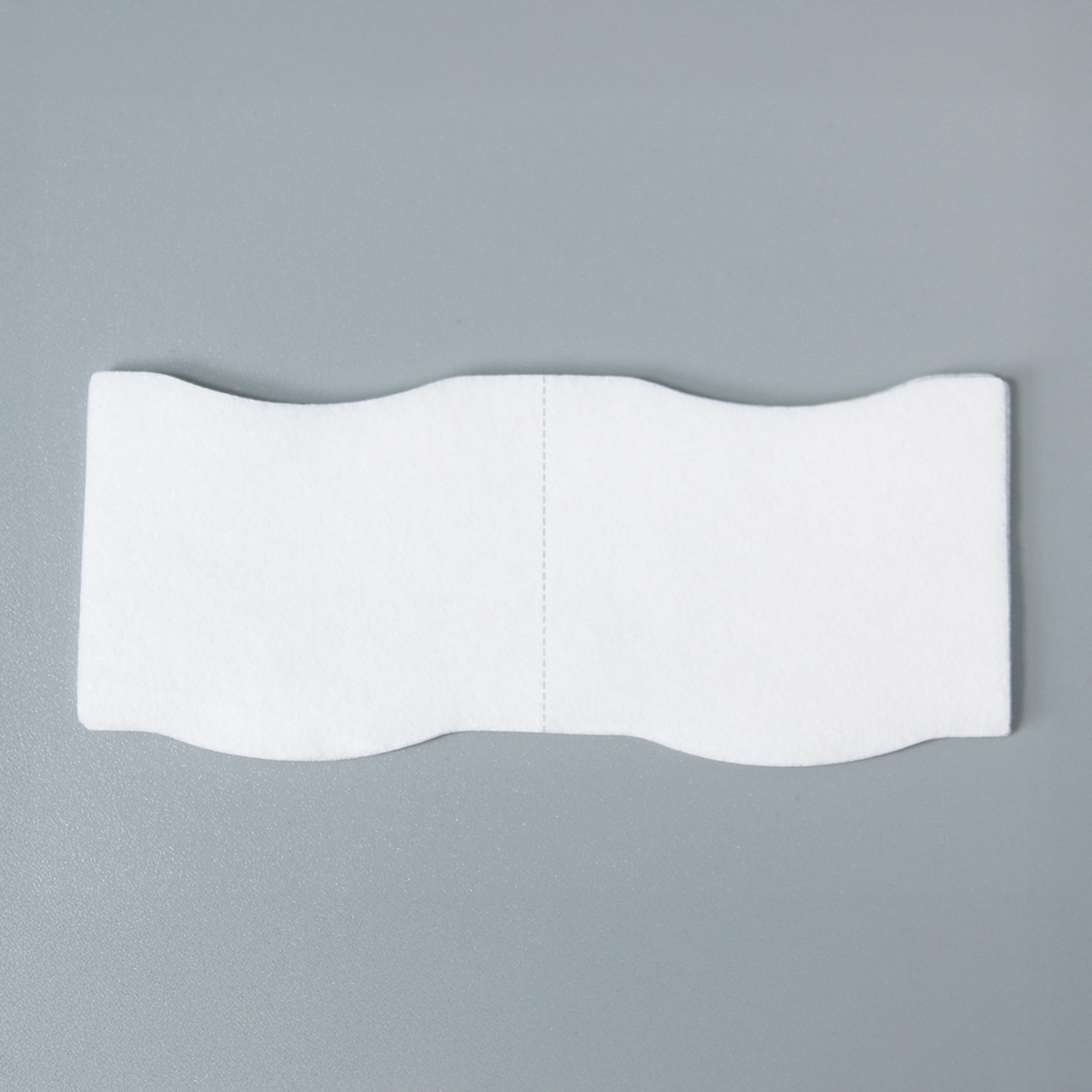
Sourcing a collagen face mask requires selecting a supplier who offers both the raw material substrate and compatible formula systems. The collagen face mask material typically arrives as a dry or semi-wet film that can be customized with additional serums, peptides, or botanical extracts. Quality standards for a collagen face mask substrate include collagen purity, hydration retention rate, film integrity, and shelf stability. Working with a reliable collagen face mask material supplier ensures consistent production quality and compliance with applicable cosmetic regulations in your target markets.
FAQ
What is the primary advantage of a collagen face mask over a regular sheet mask?
A collagen face mask uses a hydrogel collagen substrate as the delivery vehicle, which holds more active ingredients and maintains closer skin contact than a standard non-woven sheet mask. This results in deeper hydration, longer treatment time, and stronger perceived efficacy, making the collagen face mask a more premium option for both brands and consumers.
Can a collagen face mask be used for sensitive or post-procedure skin?
Yes. A collagen face mask is widely used in professional settings for post-procedure care because its soothing, occlusive nature helps reduce redness and restore the skin barrier. The collagen face mask format is generally well tolerated by sensitive skin, though formulation choices such as fragrance level and preservative system should still be reviewed carefully for clinical applications.
How does a collagen face mask compare to peel-off or clay masks for anti-aging purposes?
For anti-aging applications, a collagen face mask significantly outperforms clay and peel-off formats. Clay masks focus on cleansing rather than replenishment, while peel-off formats have limited active ingredient capacity. The collagen face mask delivers sustained moisture and collagen-supporting actives in direct contact with the skin, making it the most effective single-use anti-aging mask format available in the current market.

 EN
EN
 Hot News