In today's competitive skincare market, every procurement decision carries financial weight. reusable cotton pads have emerged as one of the most impactful product choices a brand or retailer can make, delivering measurable value across cost reduction, customer retention, and sustainability positioning. Understanding exactly how reusable cotton pads drive return on investment requires looking beyond the unit price and examining the full lifecycle of these products within a skincare business.
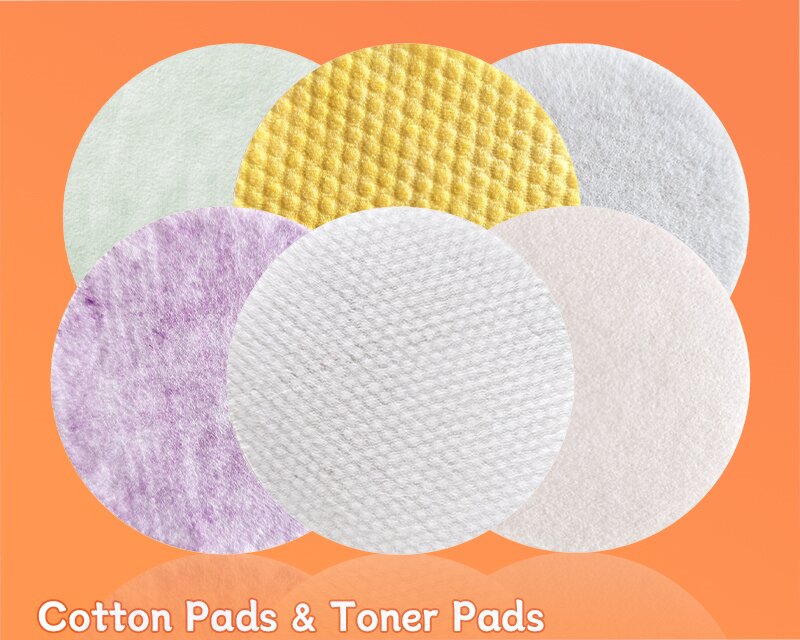
Reusable cotton pads represent a shift in how consumers and businesses approach daily skincare routines. Rather than discarding single-use alternatives after one application, reusable cotton pads are designed to withstand repeated washing and use, maintaining their softness and absorbency over time. For skincare brands, distributors, and private-label manufacturers, stocking reusable cotton pads is no longer just an ethical choice — it is a commercially strategic one that directly influences profit margins and long-term brand equity.
The Cost Efficiency of Reusable Cotton Pads
Lower Per-Use Cost Over Product Lifetime
One of the most direct ways reusable cotton pads enhance ROI is through dramatically reduced per-use cost. A standard set of reusable cotton pads can withstand over 100 wash cycles without significant degradation. When you calculate the total cost of reusable cotton pads against the number of applications they deliver, the per-use expense is a fraction of what disposable alternatives cost. For businesses selling skincare kits or subscription boxes, including reusable cotton pads increases perceived product value while keeping production costs manageable.
Retailers who stock reusable cotton pads also benefit from reduced inventory turnover pressure. Because consumers purchase reusable cotton pads less frequently than single-use options, each sale carries a higher average order value. Brands that bundle reusable cotton pads with toners, serums, or cleansers have consistently reported stronger basket sizes and improved gross margins. The durability of reusable cotton pads transforms them from a consumable into a considered purchase, which commands better pricing power in the retail environment.
Reduced Operational Waste and Overhead
From a supply chain perspective, reusable cotton pads also reduce the volume of stock required to meet the same consumer demand. Fewer units shipped, stored, and replaced means lower logistics costs and less warehouse space dedicated to replenishment cycles. Businesses that have transitioned part of their product line to reusable cotton pads frequently cite overhead savings in packaging materials, since reusable cotton pads are typically sold in smaller, more compact sets rather than large bulk disposable packs. These operational efficiencies compound over time, contributing meaningfully to overall ROI.
Brand Value and Customer Loyalty Through Reusable Cotton Pads
Sustainability Positioning That Drives Premium Pricing
Reusable cotton pads carry an inherent sustainability narrative that resonates strongly with modern skincare consumers. Brands that prominently feature reusable cotton pads in their product range signal environmental responsibility, which has become a powerful differentiator in crowded retail channels. This positioning allows businesses to command premium price points for reusable cotton pads, as eco-conscious buyers consistently demonstrate a willingness to pay more for products that align with their values. The ROI impact here extends beyond the product itself — reusable cotton pads become a brand-building asset.
When reusable cotton pads are incorporated into a brand's core identity, they contribute to the kind of authentic storytelling that fuels organic marketing. Skincare brands that showcase reusable cotton pads through educational content, influencer partnerships, and retail displays benefit from increased brand recall and consumer trust. These intangible outcomes translate into measurable ROI through higher conversion rates, stronger customer lifetime value, and reduced customer acquisition costs over successive product cycles.
Repeat Engagement and Product Ecosystem Building
Reusable cotton pads also serve as effective entry points into broader product ecosystems. A customer who purchases reusable cotton pads for the first time is often simultaneously introduced to complementary products such as micellar water, toners, and exfoliating treatments. Brands that structure their catalog around reusable cotton pads as a gateway product report stronger cross-sell performance and higher repeat purchase rates across the skincare range. Reusable cotton pads essentially function as a low-barrier, high-trust item that anchors ongoing consumer relationships.
Sourcing and Quality Factors That Protect Skincare ROI
Material Quality and Its Effect on Perceived Value
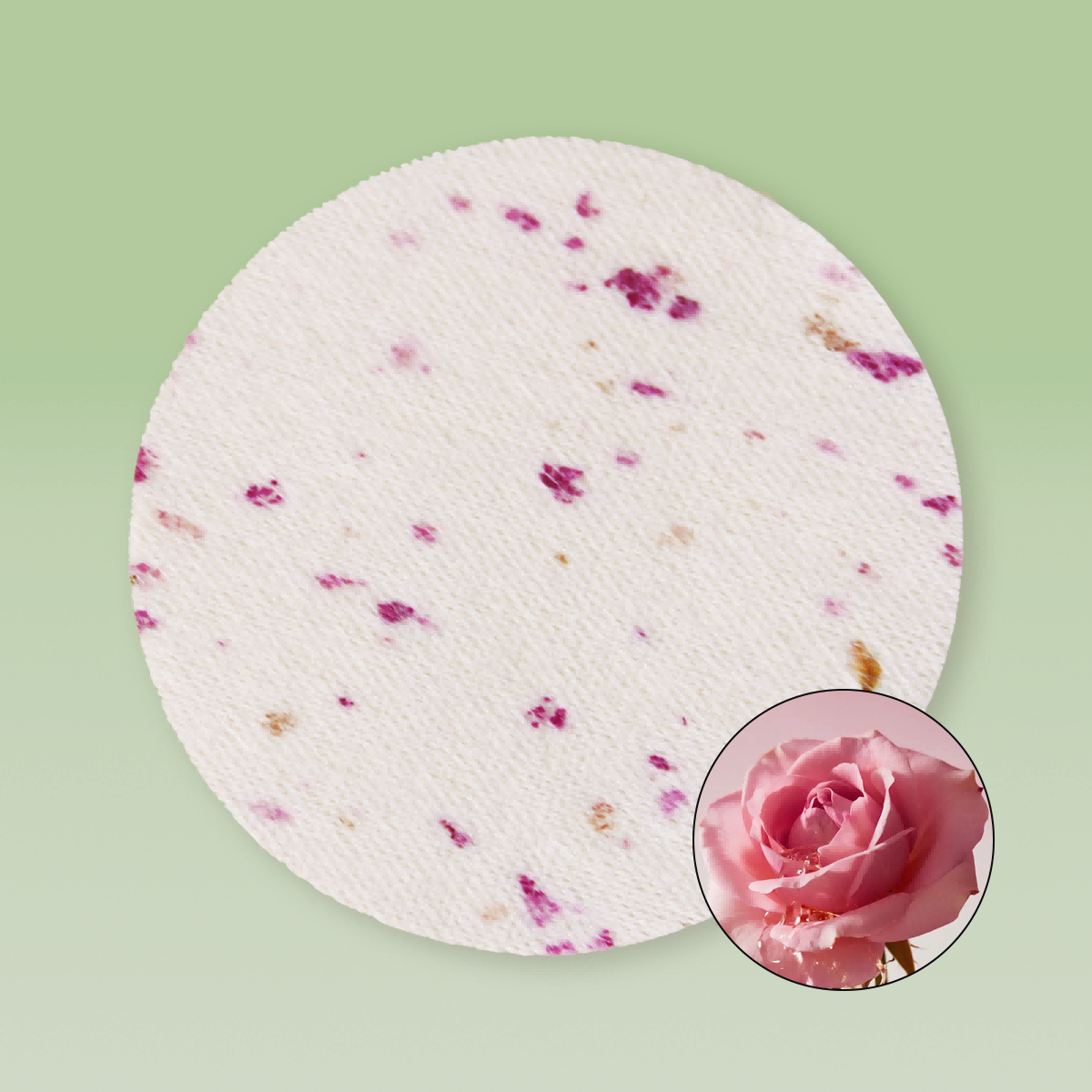
Not all reusable cotton pads deliver equal ROI, and material quality is the primary variable. Reusable cotton pads made from high-quality organic or bamboo-blend cotton retain their texture and absorption capacity across many more wash cycles than lower-grade alternatives. For B2B buyers, selecting reusable cotton pads with proven durability ensures that end consumers experience consistent product performance, reducing return rates and negative reviews. Investing in quality reusable cotton pads at the sourcing stage protects the brand's reputation and safeguards downstream ROI.
Reusable cotton pads with well-constructed edges — typically featuring stitched or bonded borders — resist fraying and fiber shedding, which directly affects user satisfaction. When consumers find that reusable cotton pads hold up exceptionally well over time, they are far more likely to repurchase, recommend the brand, and engage with related product launches. This satisfaction loop is one of the clearest mechanisms through which reusable cotton pads enhance long-term ROI for skincare businesses of all sizes.
Packaging and Presentation as ROI Multipliers
The way reusable cotton pads are presented to end consumers also influences perceived value and ROI. Reusable cotton pads packaged in reusable mesh laundry bags or elegant cotton pouches reinforce the sustainability promise and elevate the unboxing experience. Brands that invest in thoughtful packaging for their reusable cotton pads consistently see stronger gift-purchase performance and better reviews on retail platforms. When reusable cotton pads are positioned as a premium, giftable item, their contribution to average revenue per customer increases substantially, amplifying the overall return on the product line investment.
FAQ
How many times can reusable cotton pads typically be washed before they need replacing?
High-quality reusable cotton pads are generally designed to last through 100 or more wash cycles. The exact lifespan depends on material composition and care practices, but well-made reusable cotton pads maintain softness and absorbency for extended periods, making them a highly cost-effective choice for both consumers and skincare businesses.
Are reusable cotton pads suitable for all skin types and skincare routines?
Yes, reusable cotton pads are suitable for a wide range of skin types, including sensitive skin. Reusable cotton pads made from organic or hypoallergenic materials are especially gentle and reduce the risk of irritation. They work effectively with toners, micellar waters, serums, and cleansers, making reusable cotton pads a versatile addition to virtually any skincare routine.
What should B2B buyers look for when sourcing reusable cotton pads at scale?
B2B buyers should prioritize material quality, edge construction, wash durability, and packaging options when sourcing reusable cotton pads. Requesting sample sets of reusable cotton pads before committing to large orders allows buyers to verify softness, absorbency, and durability firsthand. Consistent quality across batches of reusable cotton pads is essential for protecting brand reputation and ensuring long-term customer satisfaction.

 EN
EN
 Hot News