Eco-skincare innovation is not simply a matter of replacing plastic with a natural-sounding material. Facial mask paper can help brands rethink the sheet mask, but its environmental value depends on fiber sourcing, processing, product performance, and disposal. Understanding those factors makes it easier to assess whether a material change is credible and practical.
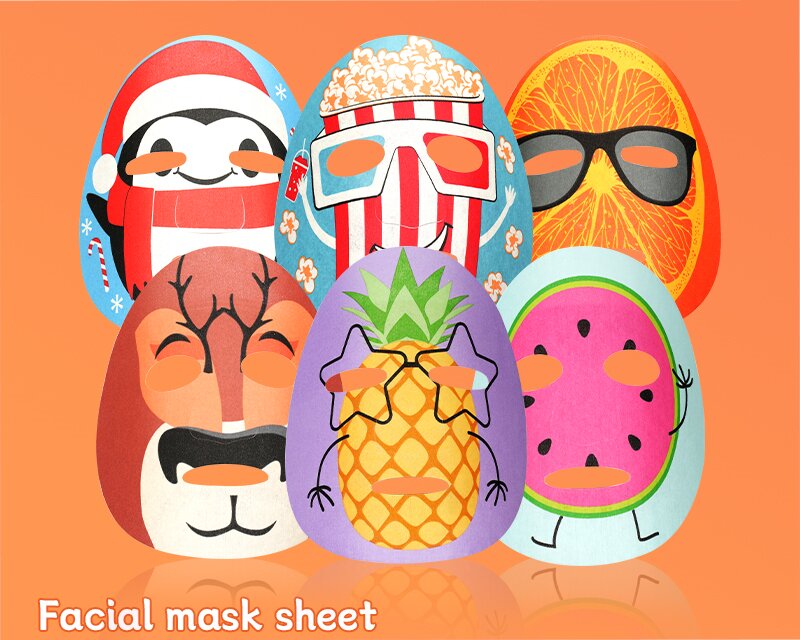
For skincare teams, facial mask paper is both a material choice and a product-design decision. The sheet must hold essence, fit different facial contours, and remain comfortable during use. At the same time, a more responsible option needs evidence behind its environmental claims. Looking at the material across its life cycle helps product developers balance user experience, manufacturing needs, and credible sustainability goals.
Why facial mask paper matters to eco-skincare
Material choices shape the environmental story
A sheet mask combines fibers, liquid formula, packaging, and a short use period, so no single component tells the whole environmental story. Facial mask paper can be made with different fiber sources and production methods, each with its own impacts. Teams should ask what the fibers are, how they are processed, and whether documentation supports any renewable, recycled, or compostability statements.
The word paper alone does not establish that a sheet is environmentally preferable. Some facial mask paper may include binders, coatings, or blended fibers that affect its properties and disposal route. A useful review therefore looks beyond the material name and examines composition, processing aids, and any treatment applied to improve softness or strength.
Consumer expectations require credible claims
Eco-conscious customers increasingly notice the difference between a specific material fact and a broad green claim. Brands can describe facial mask paper more responsibly by naming verified fiber content and explaining relevant limitations. Clear wording helps avoid implying that a product is biodegradable or compostable unless the finished sheet has been tested under conditions appropriate to that claim.
This clarity also matters to business buyers managing product portfolios. When facial mask paper specifications are traceable, procurement and marketing teams can use consistent information across product documents and packaging. The result is a more defensible sustainability story, without promising that one sheet alone solves the broader impact of single-use skincare.
How to assess facial mask paper performance
Balance absorption, strength, and fit
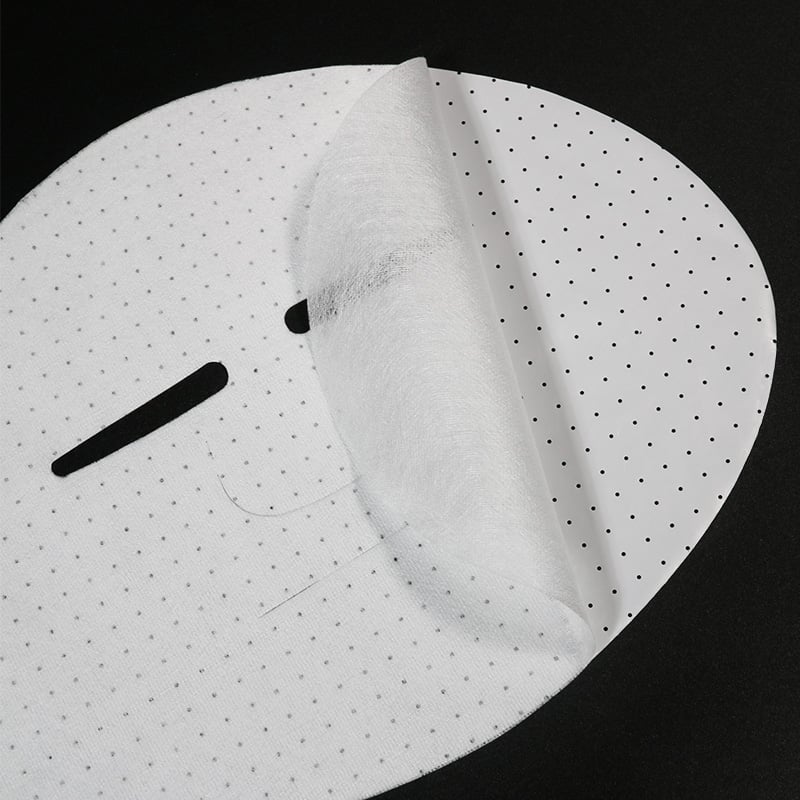
A material shift has to preserve the practical function of the mask. Facial mask paper needs to absorb and release the intended amount of essence while staying intact during filling, packing, and application. Developers should evaluate wet strength, drape, softness, and dimensional stability because a sheet that tears or dries unevenly can undermine both user satisfaction and production efficiency.
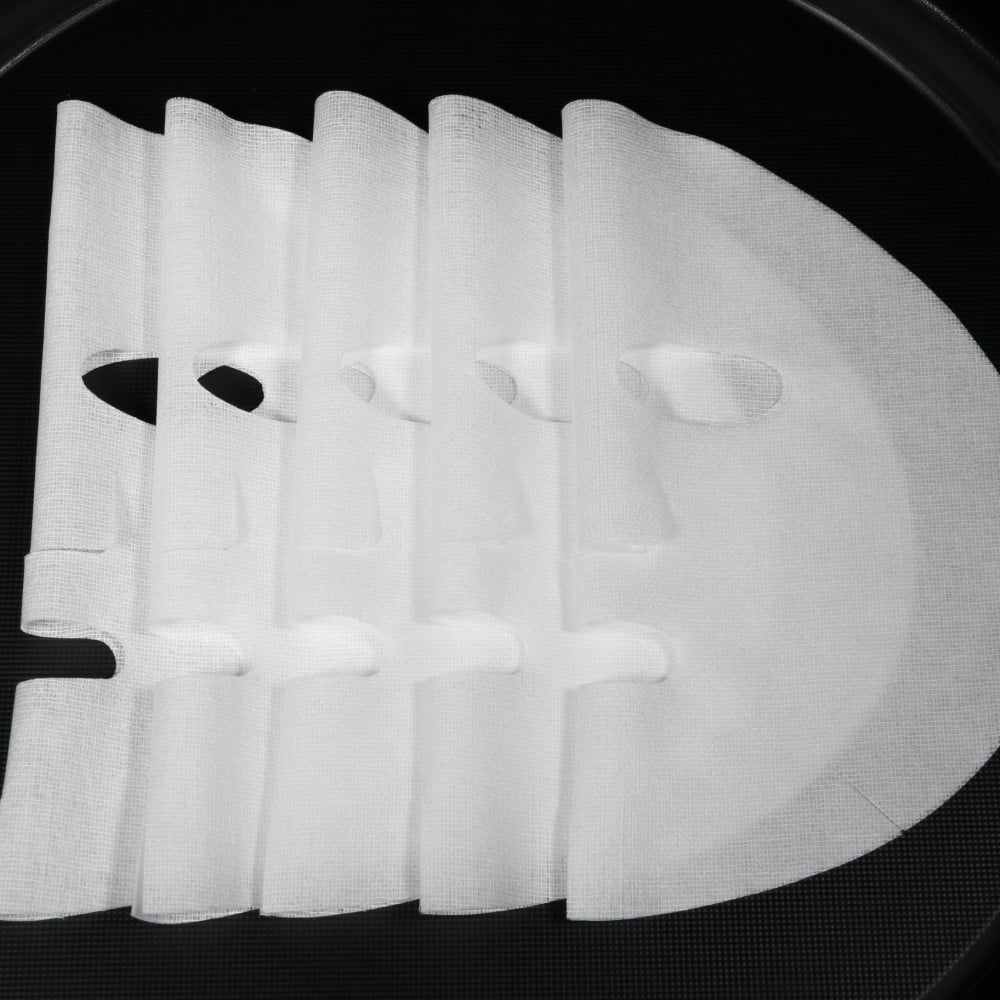
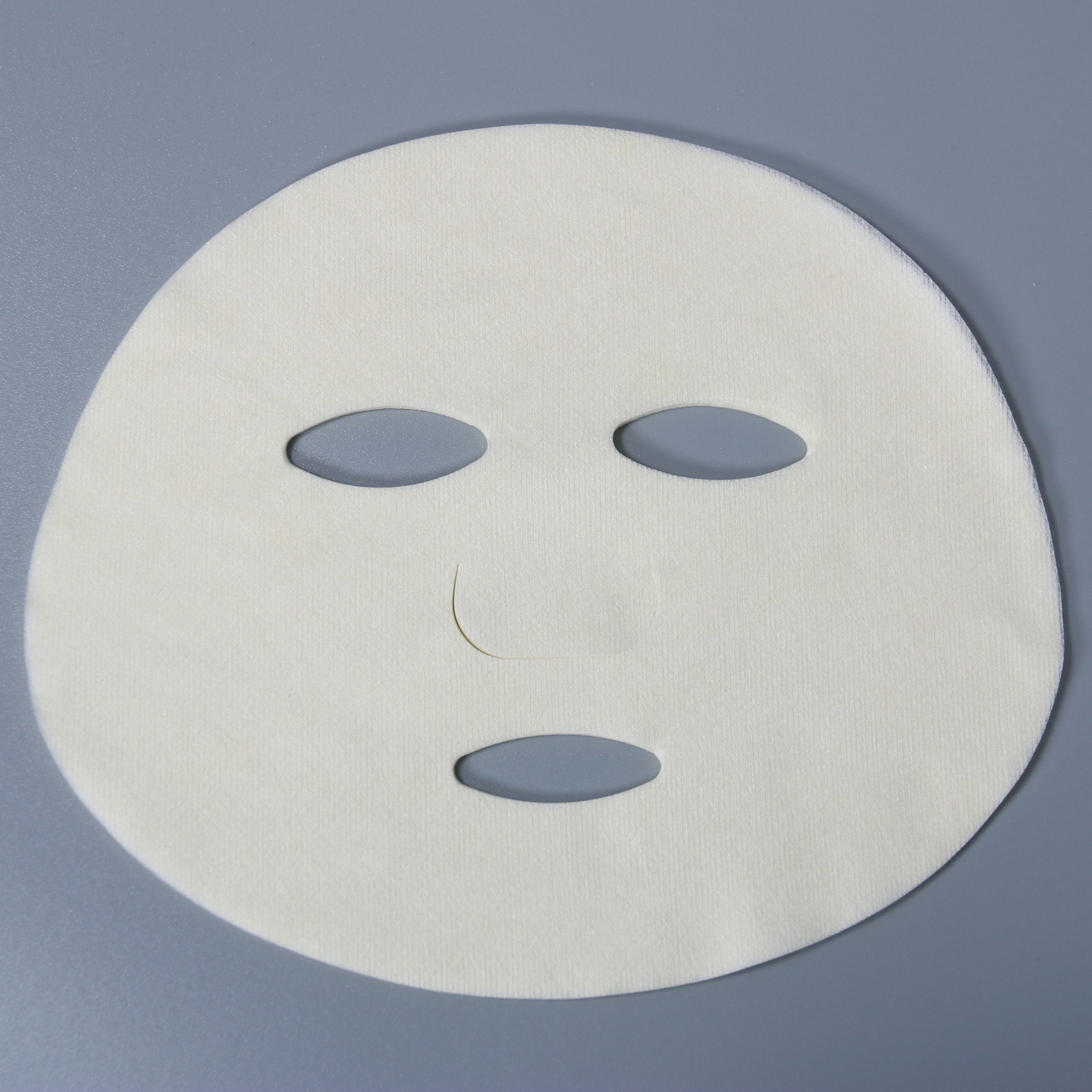
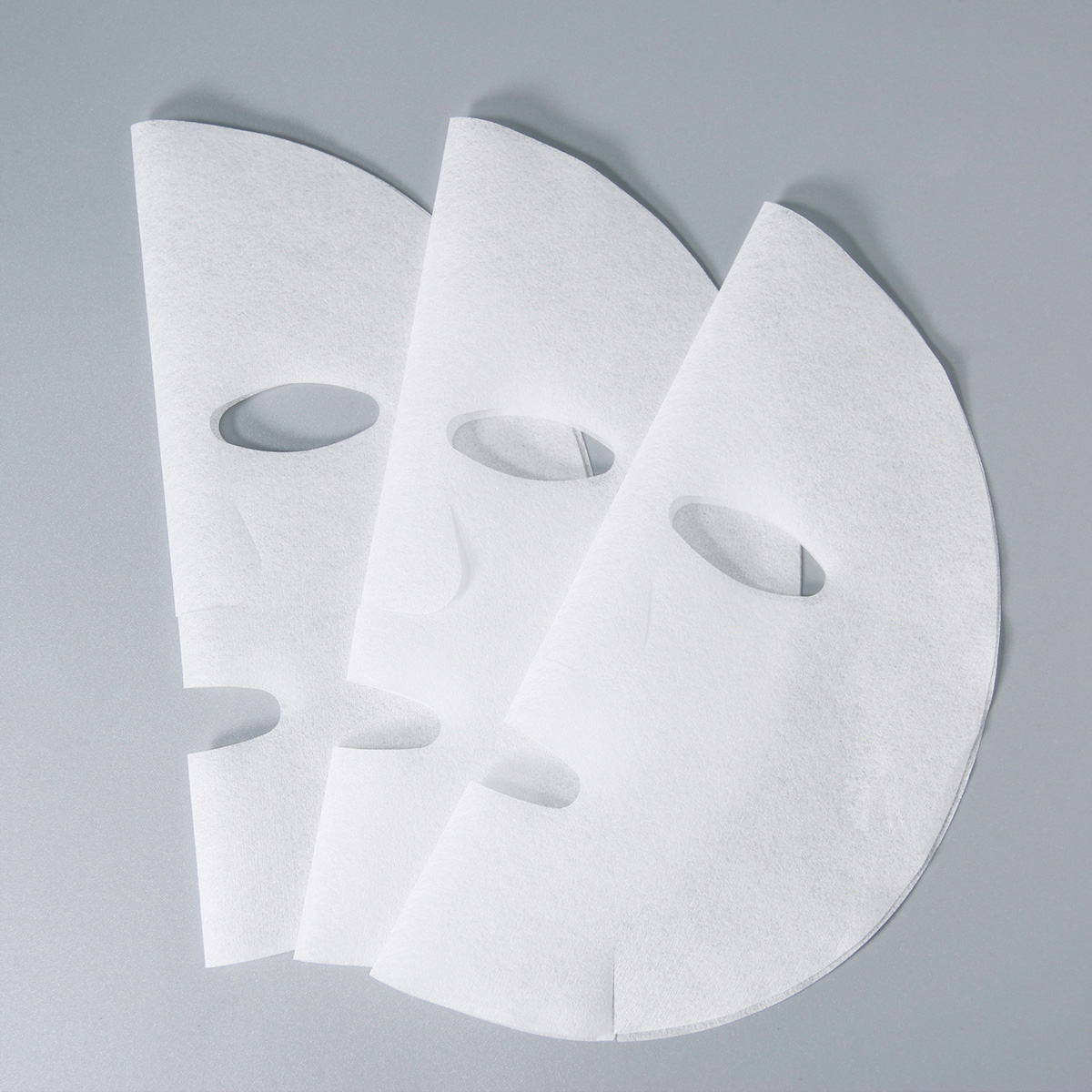
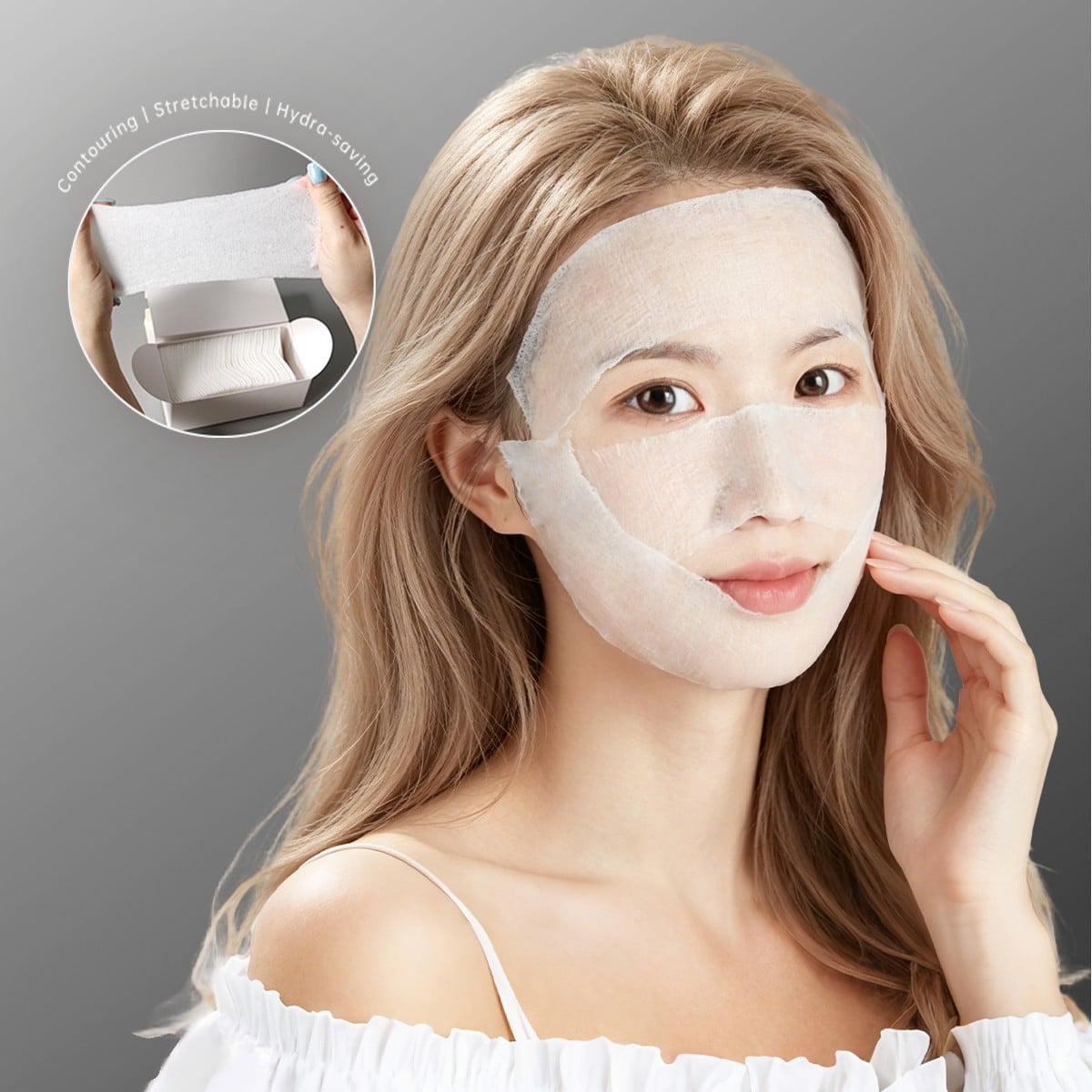
Fit deserves particular attention because faces vary and products are used in different settings. Facial mask paper should conform without excessive pulling, slipping, or uncomfortable stiffness. In trials, teams can review cut pattern, eye and mouth openings, edge finish, and how the sheet handles when saturated, then compare those observations with the product's intended use and audience.
Test the sheet with the complete formula
Dry-sheet results do not predict every interaction with a finished essence. Facial mask paper should be assessed alongside the actual formula, since viscosity, oils, humectants, and other ingredients can influence uptake and release. Stability checks can reveal changes in odor, color, texture, or sheet integrity during the planned storage period, helping teams catch issues before scale-up.
Manufacturing trials provide another decision point. Facial mask paper must work with converting, folding, dosing, and sealing processes, not just laboratory handling. Record how it behaves at realistic line settings, and review reject causes or handling adjustments. This practical evidence helps determine whether a material is ready for broader production or needs design refinement.
Bringing facial mask paper into product development
Verify sourcing and end-of-life information
Before choosing facial mask paper, request clear technical and sourcing information for the exact grade under consideration. Confirm fiber composition, relevant certifications where applicable, and details about coatings or binders. If a supplier makes environmental claims, ask what evidence and test conditions support them. Documentation should describe the finished material, not just an individual ingredient.
Disposal guidance needs equal care. Facial mask paper may not belong in household compost or paper recycling, particularly when it is wet, formula-soaked, laminated, or blended with other components. Check local waste-system requirements and the full product construction before giving consumers instructions. Responsible guidance acknowledges real-world limitations instead of assuming that fiber-based means harmless after use.
Plan a controlled transition
A measured transition starts with a defined product brief. Set requirements for facial mask paper covering feel, essence capacity, pack compatibility, target claims, and acceptable cost or process changes. Then evaluate samples against the current sheet using repeatable methods. A documented comparison helps teams identify meaningful improvements as well as trade-offs that may need further work.
Cross-functional review is useful before final approval. Product development, quality, operations, packaging, and marketing teams each assess facial mask paper from a different angle. A material may feel promising in a user test yet require equipment adjustments or revised claim language. Resolving those questions early supports a smoother launch and keeps sustainability objectives connected to product reality.
For teams exploring available sheet formats, facial mask paper can be considered in relation to the product's functional and sourcing requirements. Treat the sample review as part of a broader qualification process: confirm specifications, test it with the formula, and assess packaging and disposal implications. That approach turns a material trend into a grounded development decision.
FAQ
Is facial mask paper automatically biodegradable?
No. Facial mask paper describes a material category, not a verified end-of-life outcome. Fiber blends, binders, coatings, formula residue, and local waste conditions can all affect breakdown or disposal. Check evidence for the complete sheet and avoid a biodegradability claim unless appropriate testing supports it.
What should teams test before adopting a new sheet?
Assess facial mask paper for wet strength, softness, fit, essence uptake and release, and compatibility with the finished formula. Include storage checks and a production trial using realistic converting and packing conditions. These evaluations show whether the material meets both consumer expectations and operational requirements.
How can brands communicate the change responsibly?
Describe verified facts about facial mask paper, such as confirmed fiber composition, and explain any relevant disposal limitations. Keep claims specific to the evidence available for the finished product. Avoid implying that a paper-based sheet eliminates all environmental impacts or can enter recycling or composting without qualification.
 EN
 Hot News