 EN
Maximizing Skincare Value: Toner Pad Strategies
Not every toner pad delivers the same result. If you have spent money on a skincare routine and felt like something was not quite working, the toner pad itself might be the variable you overlooked. As someone who has spent time evaluating nonwoven substrate performance across different formulation types, I can say that the substrate underneath the formula matters more than most people realize. Getting the right toner pad strategy in place is one of the more reliable ways to extract genuine value out of every step in your routine.
This article maps specific toner pad features to the outcomes they actually produce, so you can make decisions based on what you actually need, rather than what looks good on a product label.
What Actually Defines Value in a Toner Pad
The value of a toner pad comes from two things working together: how well the substrate holds and releases the formula it is saturated with, and how the physical material interacts with your skin during application. A toner pad that scores well on both creates a noticeably different experience than one that only does one reasonably well.
The problem is that most consumers—and quite a few brand buyers—evaluate toner pads in the dry state. That tells you something about lint resistance, thickness, and edge quality. But it does not tell you much about how a toner pad performs when saturated with a toner of a specific viscosity, pH, or active ingredient concentration. The feel changes. The absorbency behavior changes. That gap between dry sample impression and saturated use experience is, in my experience, where most evaluation mistakes happen.
The Construction Strategies That Change Outcomes
Dual-Layer Substrates: Two Functions, One Toner Pad
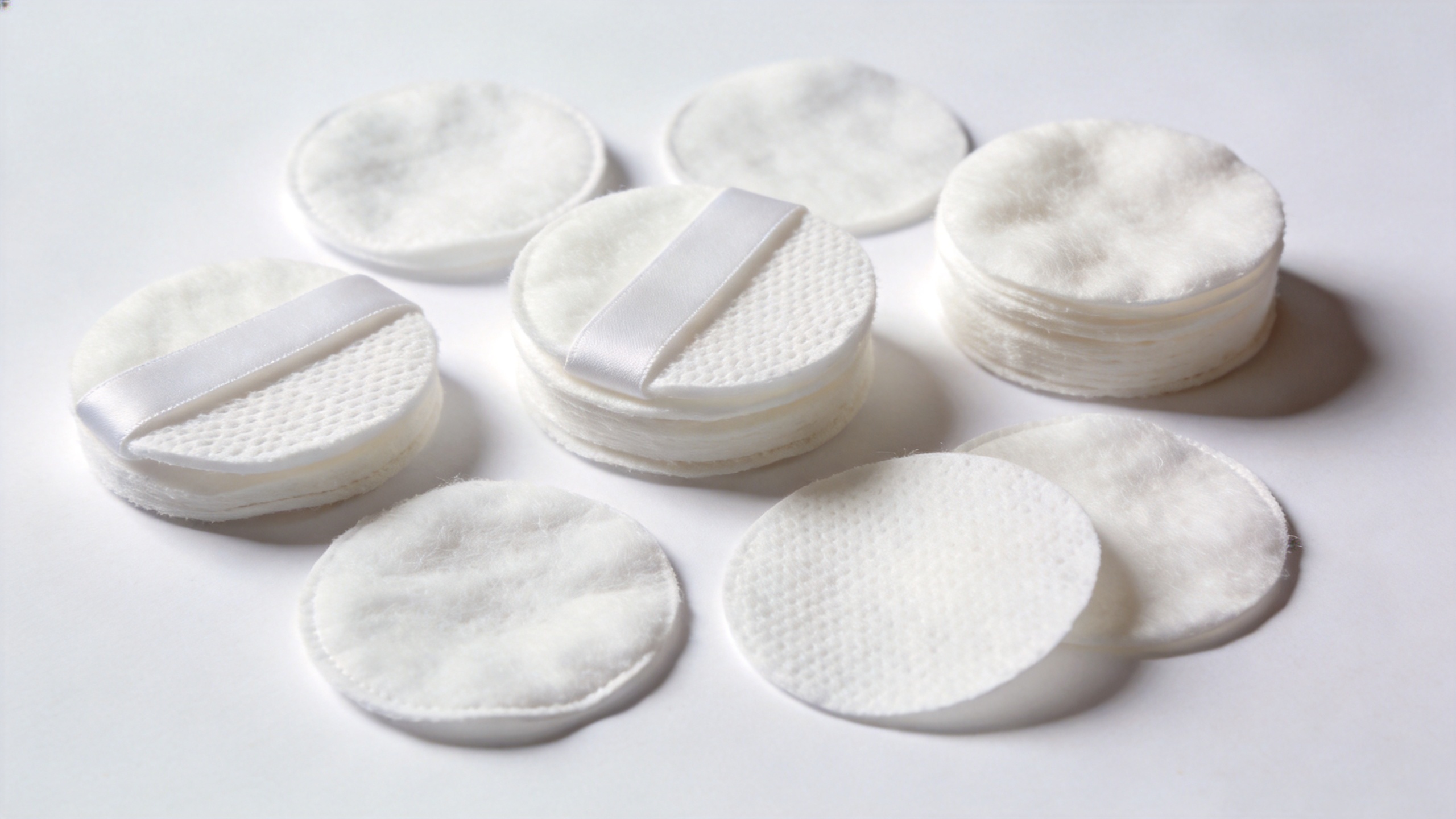
Dual-layer toner pads—smooth cotton on one face, textured on the other—are the most widely adopted format in the K-beauty market for good reason. They address two different skincare steps in a single product: the smooth side for gentle toner application and hydration delivery, the textured side for mild surface exfoliation and cell turnover support. For someone looking to streamline their routine without sacrificing either function, this toner pad format offers clear value per use.
The key thing to understand about dual-layer toner pad construction is that the bond between the two layers matters as much as the materials themselves. If the bonding is inconsistent, the layers delaminate during use, especially in high-humidity conditions or after extended shelf storage. When evaluating a toner pad intended for premium positioning or distribution in humid-climate markets, this is a detail worth testing specifically rather than assuming.
Material Density and Its Effect on Formula Delivery
A toner pad with higher fiber density holds more formula per unit area, which sounds straightforwardly positive. And it often is. Denser substrates typically deliver more active contact with the skin and maintain moisture for longer during application. However, if you are using a thin, water-based toner, a very dense toner pad can absorb so much product that you are saturating substrate rather than treating skin. The formula delivery economics shift in a way that matters for cost-per-use calculations.
The practical strategy: match substrate density to your formula's intended loading. Watery, high-volume toners work well with a moderately dense toner pad substrate that allows the formula to contact the skin efficiently rather than being fully absorbed into the pad. Richer, more concentrated serums and treatment formulas benefit from a denser substrate that holds the formula evenly and maintains prolonged skin contact during the application period.
Edge Finishing and the Experience Detail You Might Overlook
Edge quality on a toner pad is one of those factors that consumers rarely articulate but respond to immediately. A seam-free, precisely finished edge creates smooth, comfortable application across the face and around the eye contour. An inconsistent or rough edge generates friction, and friction during facial application is exactly the kind of thing that drives negative reviews, even when the formula itself is excellent.
This is particularly relevant for brands building a toner pad product that will rely on repeat purchase and word-of-mouth recommendation. A consumer who encounters rough edges may not name the material issue. They will simply say the toner pad felt uncomfortable, or that a different brand felt better. The substrate quality is what they are really responding to, even if the feedback gets attributed elsewhere.
Matching Toner Pad Format to Routine Goals
There is no single correct toner pad strategy because different routines have different goals. A morning routine focused on light hydration and skin prep before SPF has different requirements from an evening routine designed around active exfoliation and treatment delivery. Recognizing this distinction changes which toner pad format makes sense to reach for.
- Morning hydration: Prioritize a single-layer, smooth-surface toner pad with good absorption balance. You want to deliver hydration efficiently without over-exfoliating skin before sun and environmental exposure. A thick, textured toner pad in the morning can remove more surface cell layer than is helpful at this point in the routine.
- Evening treatment: This is where a dual-layer toner pad earns its keep. The textured surface supports gentle AHA or BHA delivery, and the smooth side can follow with a hydrating toner to rebalance skin before the rest of your evening routine. A dual-function toner pad offers a more efficient solution than maintaining two separate single-function products.
- Targeted spot treatment: Thicker toner pads with high formula retention work well for spot-patting concentrated treatments to specific areas. The increased contact time amplifies ingredient delivery. If your treatment toner contains exfoliating acids, use the smooth side to avoid compounding any potential irritation at the application site.
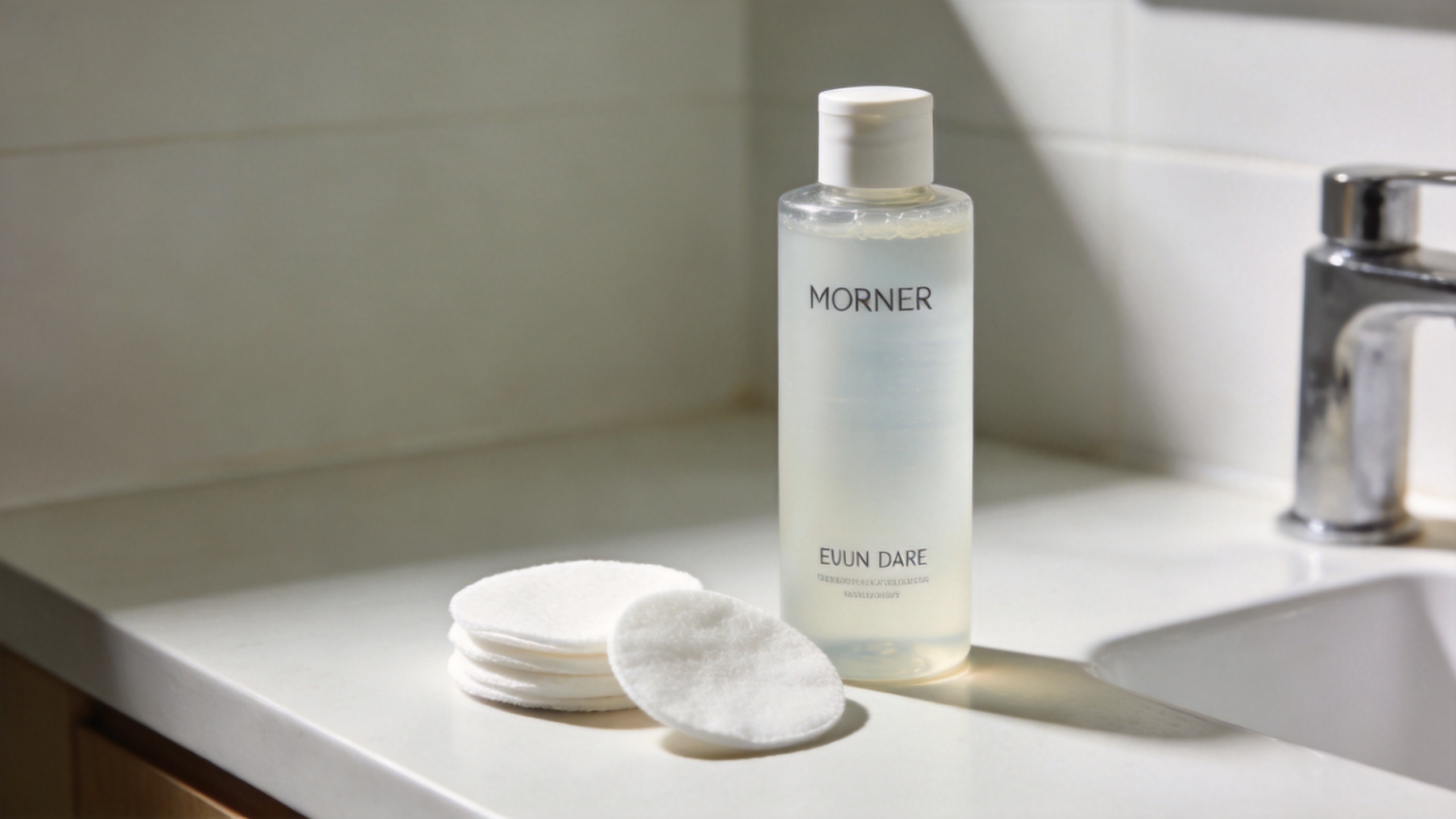
Evaluating Toner Pad Quality Before You Commit
Whether you are a brand buyer assessing substrates for a private-label product line or a skincare consumer deciding which toner pad product to use consistently, the evaluation logic is similar: do not judge performance from the dry state alone.
Test saturated samples that actually match your intended formula. Evaluate edge durability during active use—press, wipe, and fold—rather than only in a static inspection state. Check lint generation after saturation, not before. For dual-layer toner pads, verify that both layers remain bonded after extended product contact. The gap between dry and saturated performance is real, and discovering incompatibility after committing to a bulk order or finishing a full bottle is a more expensive lesson than a few targeted saturation tests upfront.
Brands sourcing toner pads from OEM manufacturers should request material technical data sheets documenting GSM, fiber composition, layer bonding method, and tensile strength. This documentation provides a specification baseline that makes batch-to-batch comparisons meaningful over time. A specialized nonwoven OEM manufacturer focused on toner pads and facial mask substrates can offer multi-layer construction options that combine different fiber types on each face, giving brands documented criteria to evaluate against rather than relying on sample impressions alone.
The Cost-Value Calculation Worth Running
Premium toner pads cost more per unit. The calculation most people run is simple: is the upgrade worth the price difference? But that framing misses something important. It assumes both products deliver the same quantity of formula to your skin per use.
A well-constructed toner pad with appropriate substrate density can deliver noticeably more active ingredient contact per pad compared to a lower-cost alternative that absorbs excess formula into the substrate itself rather than transferring it to your skin. If you are using a toner with an expensive active—hyaluronic acid, niacinamide, or a brightening compound—the cost per effective treatment dose matters more than the cost per toner pad. A higher-cost toner pad that delivers the intended formula dose twice as efficiently can be the more economical choice when you account for total product utilization across a full bottle cycle.
This is the calculation that tends to shift perspectives once people actually model it out. The premium toner pad does not typically cost more over a complete routine cycle. It often costs less per effective dose, because less formula is lost to substrate absorption rather than skin delivery.
Conclusion
Maximizing skincare value from your toner pad routine depends on matching construction to function, evaluating performance in the saturated state, and understanding the total cost equation across a product cycle. A toner pad that fits your formula type, your application technique, and your routine timing is a precision decision, not simply a convenience purchase. The substrate is the delivery system. Getting the toner pad strategy right changes what every other element of your routine can actually achieve.

 Hot News