 EN
EN
How to Implement Hydrogel Facial Mask for Optimal Results
From a formulation standpoint, a hydrogel facial mask has a direct impact on how well actives transfer to skin—something that's easy to overlook when comparing products based on packaging claims alone. After years of working with cosmetic brands and testing substrates at the ingredient level, I've seen one pattern repeat itself: brands and consumers focus on what the mask contains, not on how it's implemented. The result is underwhelming performance from what should be a high-efficacy product.
Are you getting everything a hydrogel facial mask promises, or are small implementation gaps reducing your results? This guide covers each part of the process—from choosing the right product to what you do after removing it—so your hydrogel facial mask actually delivers what it's capable of.
Understanding What Makes Hydrogel Different
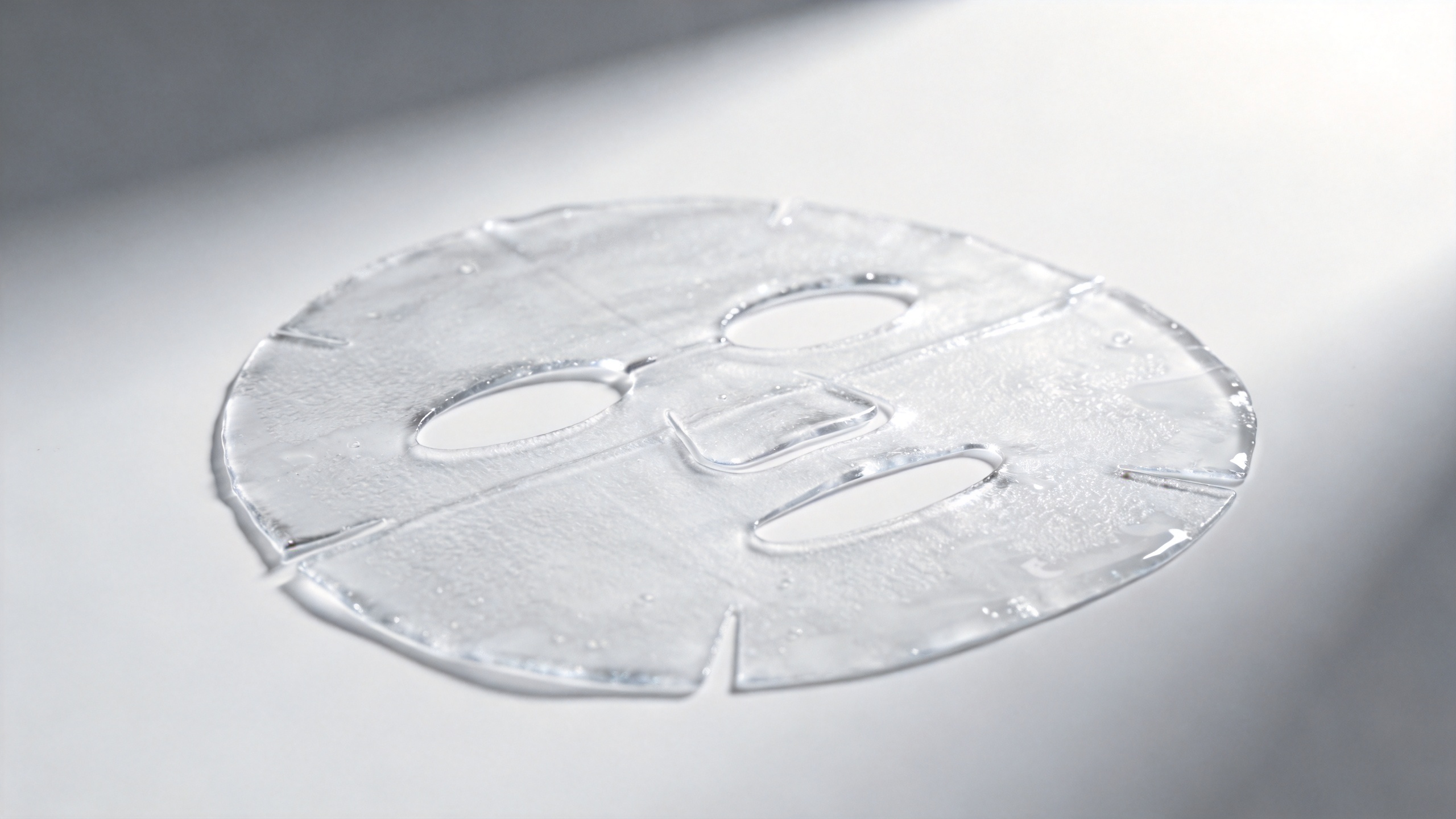
To use a hydrogel facial mask effectively, it helps to understand why a hydrogel facial mask performs differently from standard nonwoven fabric masks. The gel structure in a hydrogel facial mask typically contains 70–80% water by weight. This architecture keeps the mask in close, flexible contact with skin contours, reducing the air gaps that conventional woven or nonwoven fabrics create.
Clinical studies using corneometry have measured stratum corneum hydration increases of 40–60% immediately following hydrogel facial mask application—a range that reflects not just what's in the formula, but how efficiently the substrate delivers it. That delivery efficiency is the variable most often lost when implementation steps are skipped or rushed.
Step 1: Choose the Right Hydrogel Mask for Your Skin Goal
When I first started formulating, I thought the active ingredient list was the only thing that mattered when selecting a mask. I'd compare percentages and benchmark against clinical claims. Over time I realized it's the skin-to-substrate contact and the serum viscosity compatibility that actually determines whether those actives reach their target depth.
Before selecting a hydrogel facial mask, ask these questions:
- What is the primary target outcome? Intense hydration, brightening, firming, and sensitivity recovery each call for different active pairings—and different gel densities.
- Is the gel density appropriate for the serum formulation? A high-viscosity hydrogel paired with a light watery essence will create retention problems. The serum may pool rather than absorb evenly.
- Does the substrate contain any fragrance or colorant? These additions are common but can counteract benefit claims when used on sensitized or reactive skin.
For cosmetic brand developers sourcing hydrogel facial mask substrates, compatibility review between the substrate and formulation should happen before the production run, not after receiving the first batch. This compatibility check is the step most commonly missed—and the one that creates the most expensive corrections downstream.
Step 2: Prepare Your Skin Properly
A hydrogel facial mask applied to a congested or product-layered face is working against itself. The gel layer creates a seal; anything sitting on the skin surface when that seal forms will affect penetration dynamics.
Follow this preparation sequence:
- Double cleanse if wearing SPF or makeup. An oil-based cleanser removes lipid-soluble residue; a water-based cleanser removes sweat and water-soluble buildup.
- Use a gentle exfoliant no more than twice per week before masking. Removing surface keratin buildup improves serum contact—but over-exfoliating disrupts the barrier the hydrogel facial mask is designed to support.
- Apply a lightweight toner or mist before the mask if your skin is dry. A slightly damp skin surface helps the hydrogel adhere without pulling at fine areas around the eyes and lip contour.
Step 3: Apply the Mask Correctly
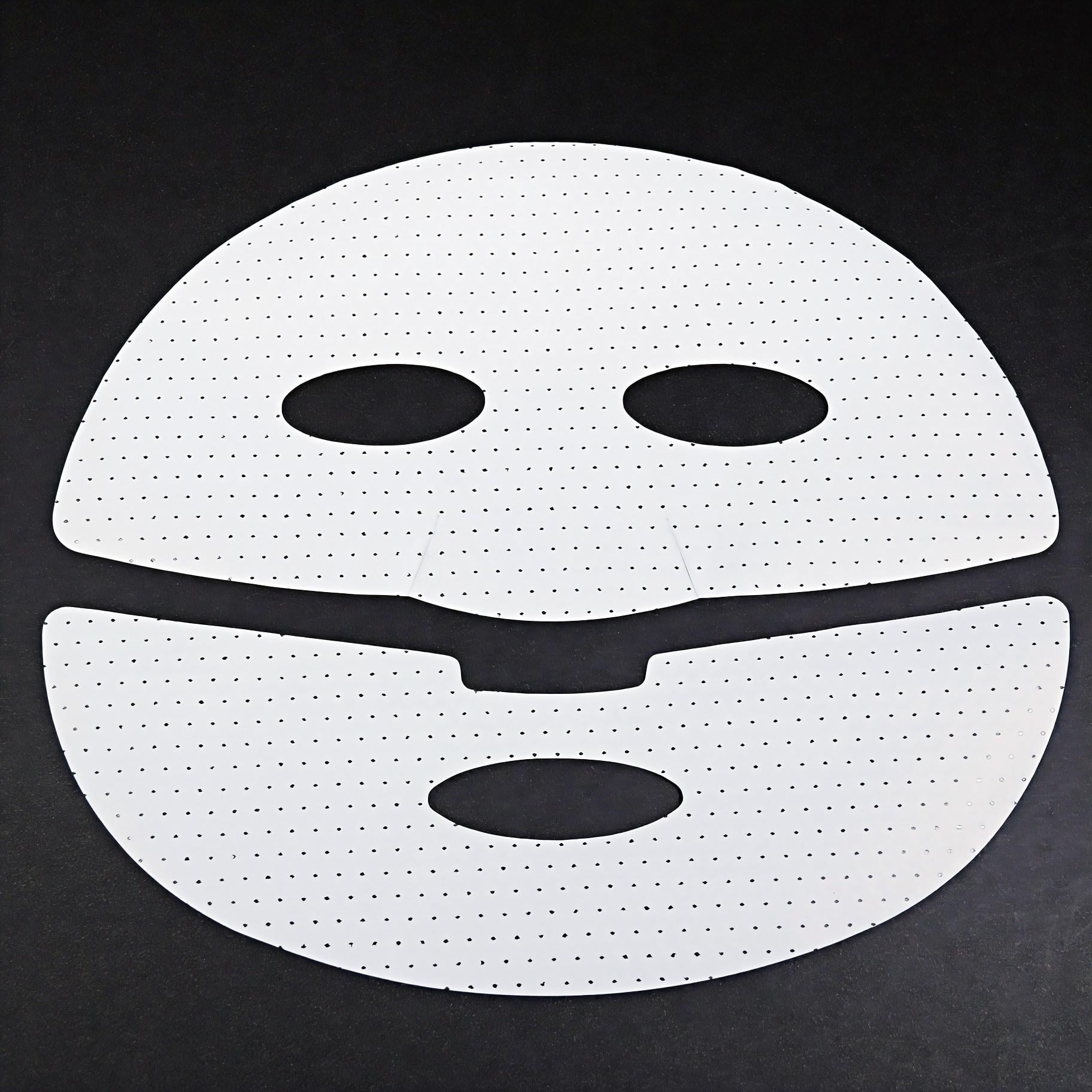
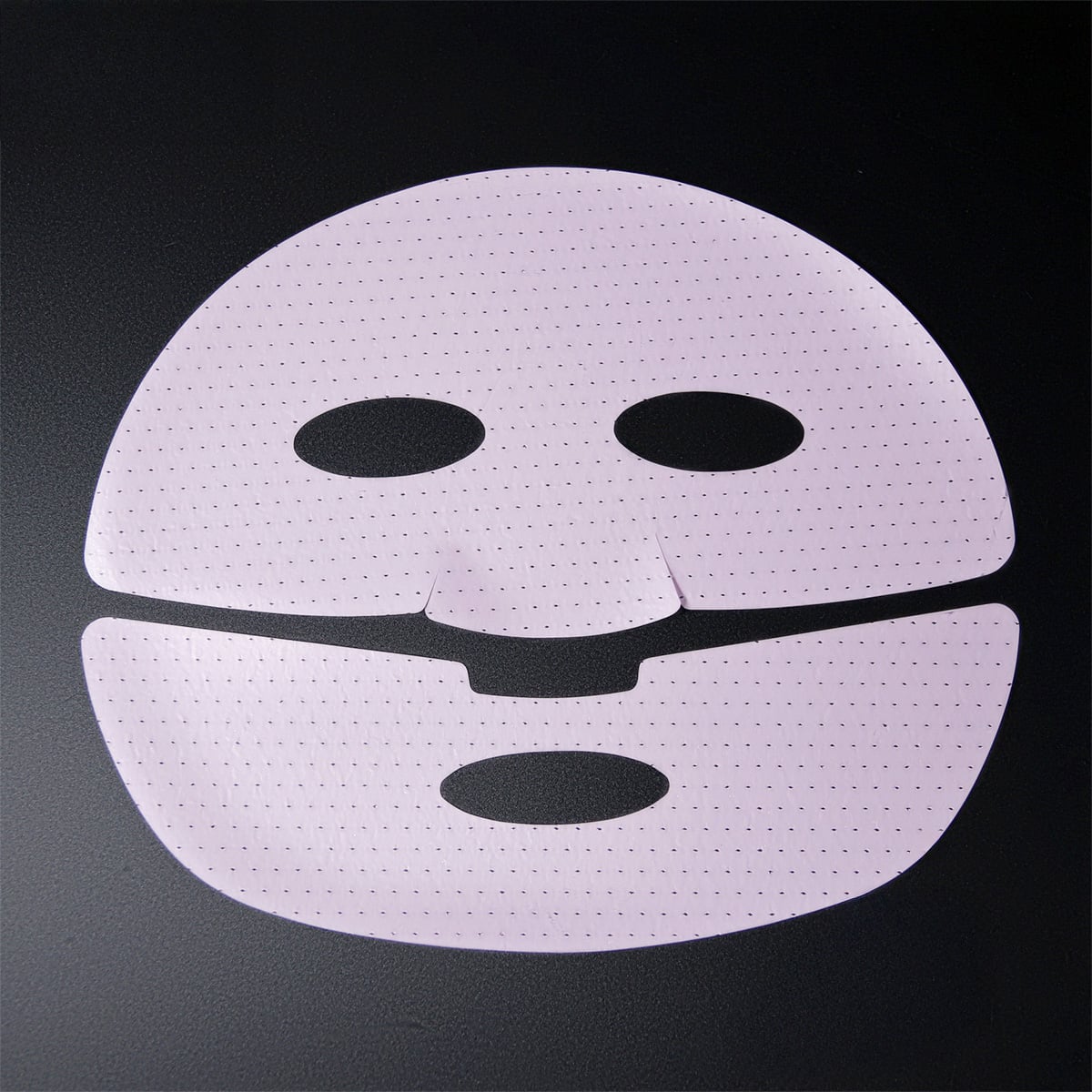
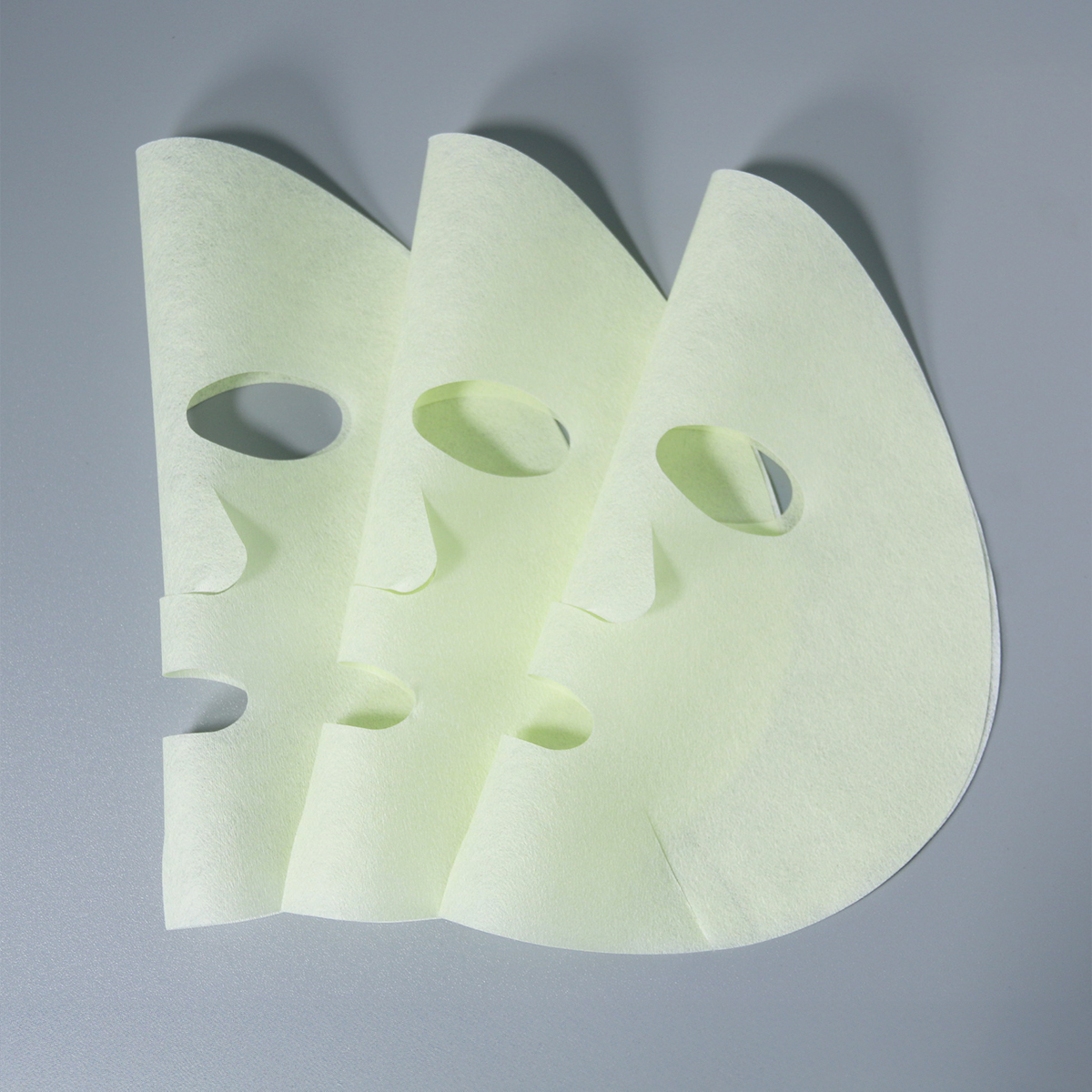
Hydrogel facial masks are usually offered in two-part formats—upper and lower panels—or as a full-face single piece. Improper placement is the most common application error, and it creates uneven serum distribution across the face.
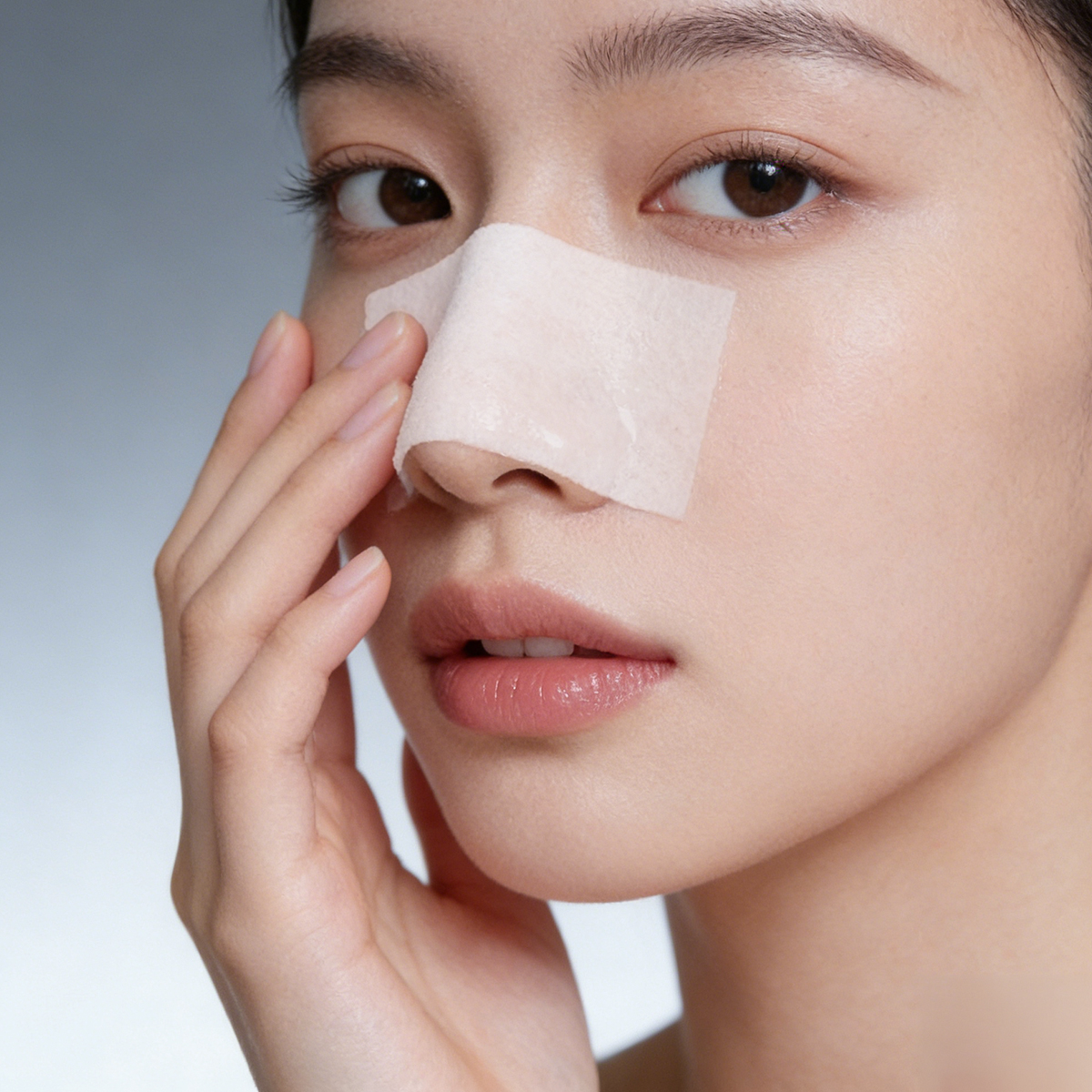
- Start from the nose bridge outward. Aligning the nose cutout first, then pressing outward to the cheeks, reduces the air pockets that form when you apply from the edge inward.
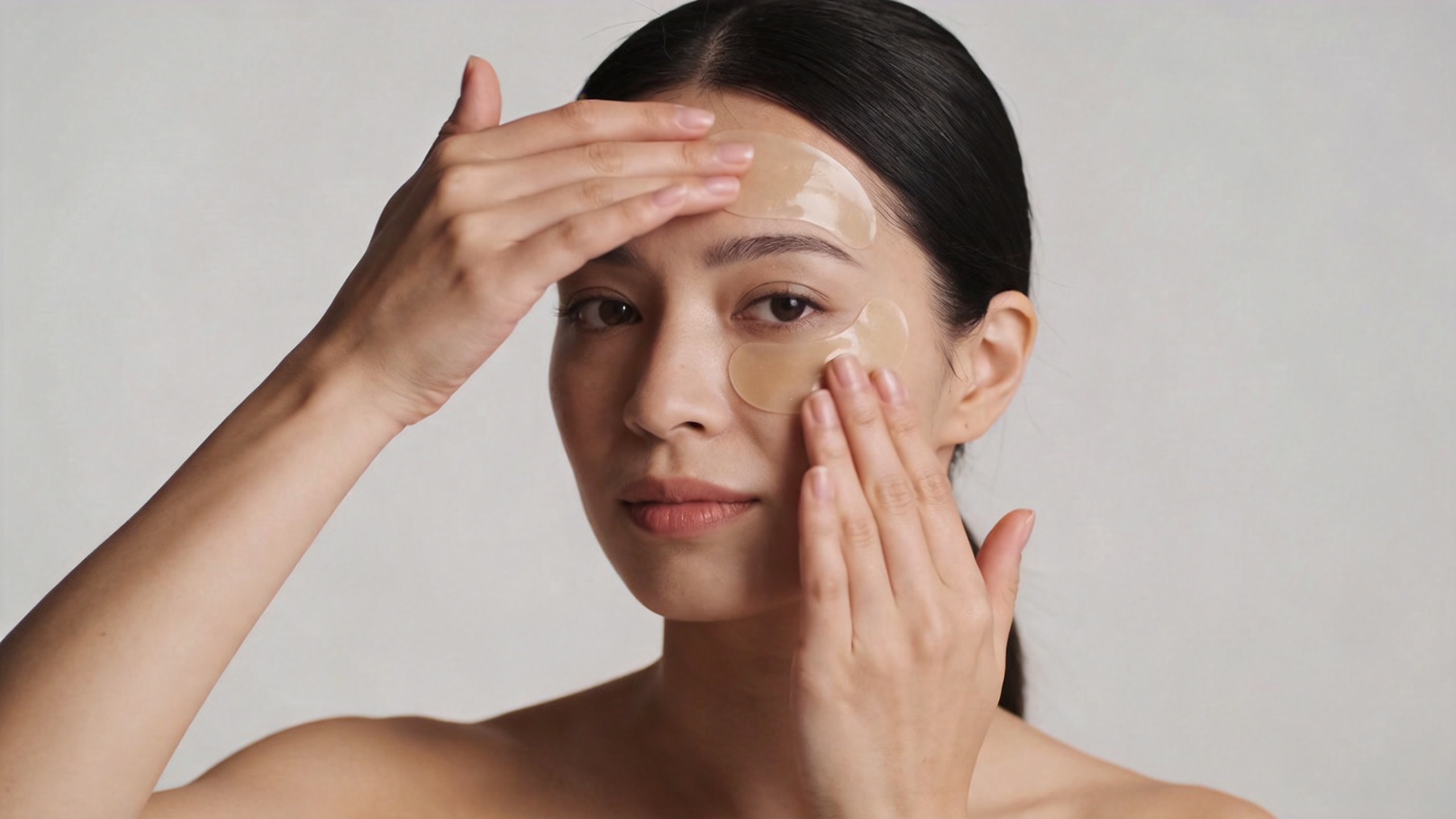
- Use clean fingertips to press the mask against contour areas. The under-eye zone, the jaw edge, and the sides of the nose benefit from light manual pressure to ensure complete contact.
- Avoid stretching the mask to fit. Stretching changes gel density and may reduce serum retention at pressure points. If the hydrogel facial mask consistently doesn't conform well to your face shape, the substrate cut may not match your geometry—worth evaluating when comparing products for ongoing use.
Step 4: Respect the Optimal Wear Time
The research on wear time runs counter to what most people assume. Short-term use—under 25 minutes—is where hydrogel facial masks produce measurable hydration improvement, reduced redness, and aquaporin-3 activation, which is a key pathway for transepidermal water transport. Wearing the mask significantly beyond this window reverses those gains as the gel begins drawing moisture back from the skin rather than delivering it.
The practical guideline: 15–20 minutes at room temperature, or 10–12 minutes in a cooler environment. Do not leave the hydrogel facial mask on until it dries completely—that stage is already well past the optimal benefit window.
Set a timer. This sounds trivial, but in real-use testing, it's the single implementation variable with the most consistent impact on outcome. What many people experience as a product quality issue—"the mask didn't do much"—is often a wear time issue.
Step 5: Lock In Results After Removal
The two to three minutes after removing the hydrogel facial mask matter more than the mask application itself, in most guides. The skin surface is temporarily primed for absorption—its permeability window is briefly open.
- Do not rinse off the residue immediately. The remaining serum on the skin surface is still absorbing. Gently press the residue in with clean fingertips for thirty seconds.
- Apply moisturizer while the skin is still slightly tacky. This seals the hydration layer that the mask has driven into the stratum corneum.
- Avoid applying sensitizing actives immediately post-mask. Retinol, high-concentration niacinamide, and AHA/BHA applied directly after a hydrogel facial mask can cause flushing or irritation. Wait 20–30 minutes if your routine includes these ingredients.
Step 6: Build Consistent Frequency Into Your Routine
The benefits from a single hydrogel facial mask application are measurable but compound with consistent use—not extended single-session wear. Results build with the right frequency over time, not by keeping the mask on longer.
For most skin types, two to three applications per week is the effective range. For dry or dehydrated skin preparing for a significant event or navigating seasonal transition, a short intensive period of daily use for five to seven days can reset the moisture baseline. Return to two to three times per week to maintain those gains.
Real-use testing adds a layer of context to these numbers: the 40–60% hydration improvement measured in clinical corneometry studies assumes controlled conditions—clean skin, stable temperature, correct application technique. Individual variation in skin temperature, ambient humidity, and barrier condition affects results in practice. Consistent application under the right conditions brings you closest to that clinical ceiling; implementation shortcuts compress the outcome.
Key Checkpoints for Optimal Results
Before each hydrogel facial mask session, run through this checklist:
- Skin is clean and free of SPF residue, makeup, and excess product buildup
- Mask is within its recommended expiry window and stored at the correct temperature
- Placement begins at the nose bridge and is pressed outward with fingertips at contour areas
- Wear time is set to 15–20 minutes and actively tracked
- Residue is massaged in post-removal before moisturizer application
- Sensitizing actives are not layered immediately after removal
A hydrogel facial mask with the right formulation and correct implementation protocol consistently outperforms the same product applied casually. The substrate science is well-established—the variable is the process. Getting the process right is what converts a good product into a reliable, repeatable result.
 Hot News