
 EN
Circular Cotton Pads: Essential for Gentle Cleansing
When evaluating substrate materials for a new skincare line, circular cotton pads often get treated as a commodity item—something added to the cart without much scrutiny. That assumption tends to catch brands off guard. A poorly specified cotton pad can leave lint on skin, irritate sensitive complexions, or deliver an inconsistent feel that quietly undermines the product experience consumers associate with your brand. Getting the specification right from the start matters more than most first-time buyers expect.
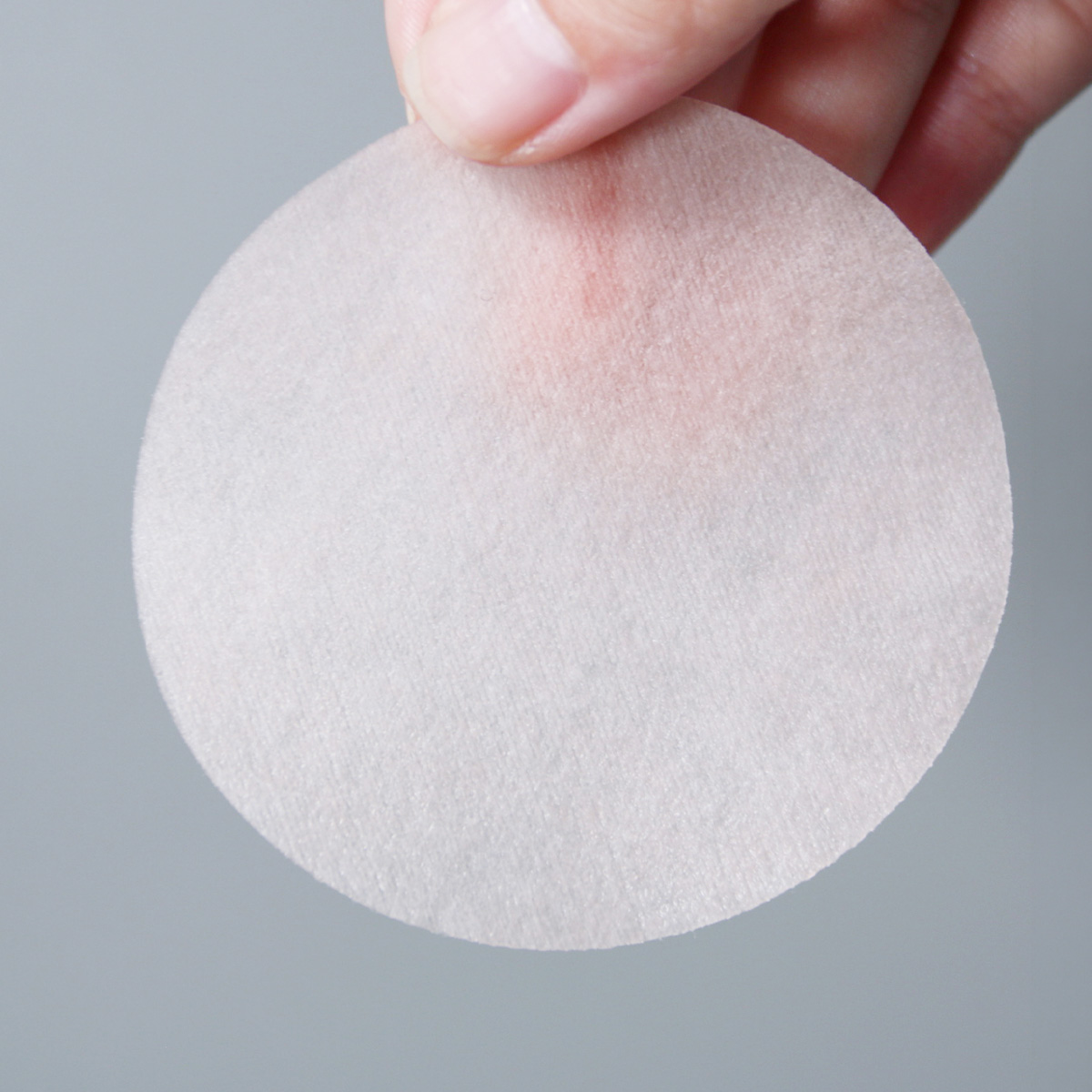
Circular cotton pads sit at the center of daily cleansing routines—used for removing makeup, applying toner, distributing serums, and gentle facial prep. Because they touch the skin directly, the material quality, construction method, and manufacturing precision all translate into tangible user experience. This article walks through the core performance attributes that define a high-quality circular cotton pad, and what procurement teams should prioritize when sourcing at scale.
What Makes a Circular Cotton Pad Suitable for Gentle Cleansing?
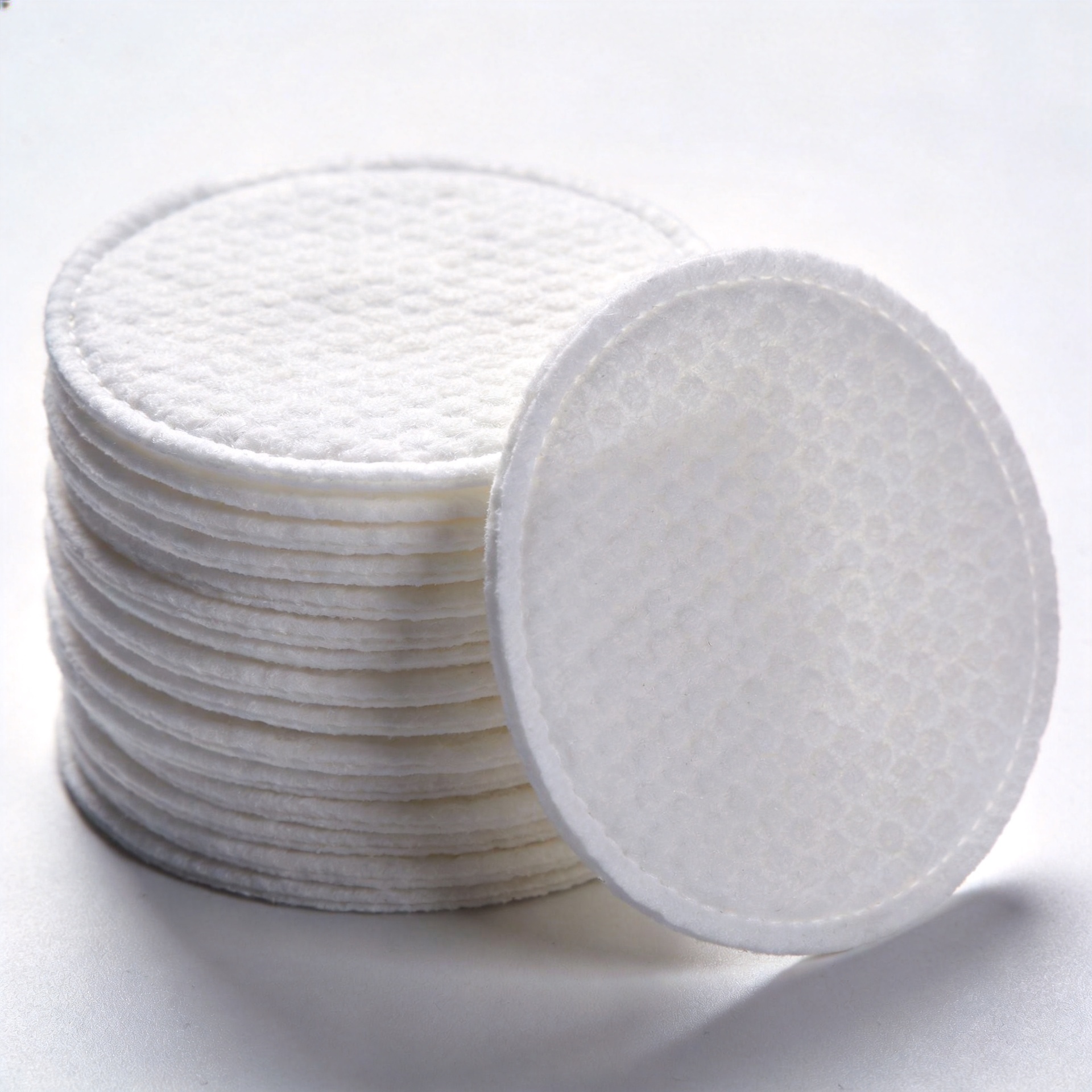
Not all circular cotton pads are made equal, even when they look similar in a product photograph. The performance characteristics that matter for gentle cleansing come down to fiber selection, construction method, and dimensional precision.
Material Composition and Fiber Quality
The most significant determinant of a cotton pad's softness and lint performance is the fiber it's made from. Pads made from longer staple cotton fibers—whether 100% cotton or a cotton-blend nonwoven—tend to shed significantly less lint during use. Shorter or lower-grade fibers are more prone to releasing individual strands onto the skin, which consumers notice and report as a quality failure even when the pad performs adequately in other respects.
For brands positioning in the mid-to-premium segment, specifying the fiber origin and grade in the purchase order is worth the additional sourcing effort. A supplier that can provide technical data sheets documenting fiber composition, tensile strength, and absorption rate gives you something you can actually evaluate—rather than relying on surface feel alone during sample review.
GSM Weight and Thickness
GSM (grams per square meter) is one of the more reliable proxies for evaluating cotton pad quality during sourcing. Premium-grade circular cotton pads commonly range from 200 to 400 GSM, delivering a noticeably thicker, more substantial feel that holds liquid well without collapsing during application. Standard consumer-grade options typically sit closer to 100 to 150 GSM—functional for basic use, but lighter in the hand and less absorbent under heavier product loads like cleansing oils or rich serums.
The right GSM for your product depends on its intended use. If the pad will be paired with a watery toner, a mid-range GSM performs adequately. If it's being positioned as a premium cleansing tool or will be used with richer formulations, specifying a higher GSM typically pays dividends in consumer perception and satisfaction.
Key Performance Features That Matter
Lint-Free Construction
Lint generation is the most common consumer complaint about circular cotton pads—and it's one that can be effectively controlled through manufacturing process choices. Pads produced from well-bonded nonwoven substrates or from combed cotton with a tight surface construction significantly reduce loose fiber release. The bonding method matters: thermally bonded or spunlace-finished substrates perform more consistently in this regard than loosely layered cotton structures.
When evaluating supplier samples, test the pad against a dark surface after simulating normal use. Visible white fibers left behind indicate a lint risk that will almost certainly appear in consumer reviews. If the supplier cannot explain how their bonding or finishing process controls lint, that's a gap worth addressing before committing to a production run.
Edge Finishing and Diameter Consistency
The edge of a circular cotton pad deserves more attention than it usually gets. Rough or unfinished edges can catch on skin during application, creating a slightly abrasive sensation that consumers describe as irritating—particularly around the eye area. Precision die-cutting with a sealed or compressed edge eliminates this friction point and delivers a more refined tactile experience for end users.
Diameter consistency is equally relevant for brands using automated packaging or dispensing equipment. A common standard diameter for cosmetic cotton rounds is approximately 57mm (2.25 inches), though tolerances can vary significantly between suppliers. If your packaging line or product insert references a specific pad size, verify that your supplier's dimensional tolerance specification matches your equipment requirements across full production batches—not just in initial samples.
OEKO-TEX Certification and Skin Safety
For brands distributing in EU or North American markets, OEKO-TEX Standard 100 certification for the cotton pad substrate provides a defensible skin-contact safety credential. This certification indicates that the material has been tested for harmful substances at every stage of production: from raw fiber through finished product,and meets defined thresholds for skin safety.
The practical value for a cosmetic brand is twofold. First, it reduces the documentation burden when entering regulated markets. Second, it supports marketing claims around product safety and ingredient transparency, which matter increasingly to consumers in the clean beauty and sensitive skin segments. Not every supplier can offer OEKO-TEX pathway products, so confirming certification availability early in supplier evaluation avoids timeline delays later in the development cycle.
Sourcing Circular Cotton Pads: What to Look for as a Brand Buyer
The practical challenge with sourcing circular cotton pads isn't finding a supplier—it's finding one whose quality is consistent across reorders, not just in initial samples. The gap between sample quality and mass-production output is one of the most frequently reported sourcing frustrations in this category, and it's worth building verification steps into your process before scaling volumes.
Consistent Batch Quality
Request lot numbers and production dates on samples when possible, and ask your supplier directly how they manage batch-to-batch variation in GSM, diameter, and lint performance. A manufacturer with documented incoming quality control (IQC) and outgoing quality inspection (OQC) processes, and who can share those records on request,is in a meaningfully different tier from one that provides only verbal quality assurances. If lint performance or edge finishing showed variation across your initial samples, expect the same variation in production batches.
Customization Options for Brand Differentiation
Circular cotton pads can be customized beyond standard specifications in ways that support brand positioning. Options commonly available from specialized nonwoven manufacturers include embossed surface textures, dual-layer constructions combining different fiber types for each face, multi-count retail-ready packaging configurations (50-count, 100-count, 150-count), and custom print or logo embossing on packaging. These pathways allow brands to offer a differentiated product without requiring entirely separate supplier relationships or significant tooling investment.
Cotton content percentage can also be specified and documented for brands that need to substantiate natural fiber claims in product labeling or marketing communications. This is a growing requirement in markets where consumers scrutinize ingredient transparency closely.
Setting the Right Specification from the Start
Circular cotton pads may be among the simpler items in a skincare brand's product portfolio, but the specification decisions that go into them have a direct effect on how consumers experience and talk about your brand. A pad that performs consistently—lint-free, with a comfortable edge feel, in the right weight for the accompanying product—signals attention to quality detail that consumers notice, even if they can't easily articulate exactly why one brand's circular cotton pads feel better than another's.
Whether you're specifying circular cotton pads for a private label cleansing range, building out a complete skincare accessories line, or evaluating supplier options for an existing product, the criteria outlined above give you a practical framework for comparing options on substance rather than surface appearance. Working with a manufacturer that can support technical data documentation, OEKO-TEX certification pathways, and consistent precision edge-finishing significantly narrows the sourcing risk on this often-underestimated product category.

 Hot News