Superior Skin Safety and Reduced Chemical Exposure
How GOTS and OEKO-TEX® 100 Certifications Ensure Non-Toxic Organic Cotton Face Mask Materials
Face masks made from organic cotton that carry GOTS and OEKO-TEX Standard 100 certifications go through thorough testing by independent labs to get rid of any harmful chemicals left behind. These standards actually prohibit more than a hundred dangerous stuff like formaldehyde, heavy metals, those bad aromatic amines we hear about sometimes, plus leftover pesticides. They also set really tight limits on what gets left in the fabric, way below 0.1 parts per million. Regular masks just don't compare because certified organic ones use plant-based dyes instead of synthetic ones and skip all those chemical treatments. Tests from 2024 show this cuts down on chemicals people come into contact with by almost 95% when compared to regular masks. Plus, the cotton itself is naturally gentle on skin, so it doesn't break out or irritate even after wearing them all day long. The whole process gets checked from when the cotton grows in fields right until the mask leaves the factory, making sure nothing sketchy slips through. This means no hormone messers-up or cancer-causing agents winding up in what touches our faces.
Clinical Evidence: Lower Allergy and Irritation Rates in Sensitive Skin and Pediatric Users
There's solid research backing up what many have suspected about organic cotton for skin health. A recent study from 2023 looked at kids wearing different face masks and found that those with GOTS certified organic cotton had almost 90% fewer irritation issues compared to polyester blends. Why? Because regular cotton doesn't contain those annoying microplastics or harsh chemicals that can bother delicate skin. What makes organic cotton so good? Well, it has a balanced pH level and allows air to circulate better through its weave. This combination helps calm inflamed skin areas and keeps bacteria from growing too much, which is why people with conditions like eczema or rosacea often find real comfort in it. Looking at various tests done over time, doctors noted allergy problems went down to less than 2 percent according to the Journal of Clinical Dermatology last year. That's one reason why so many dermatologists recommend organic cotton when someone needs something gentle yet effective for their sensitive skin.
Unmatched Breathability and Comfort for Daily Wear
Natural Fiber Structure of Organic Cotton Face Masks Enhances Airflow and Moisture Management
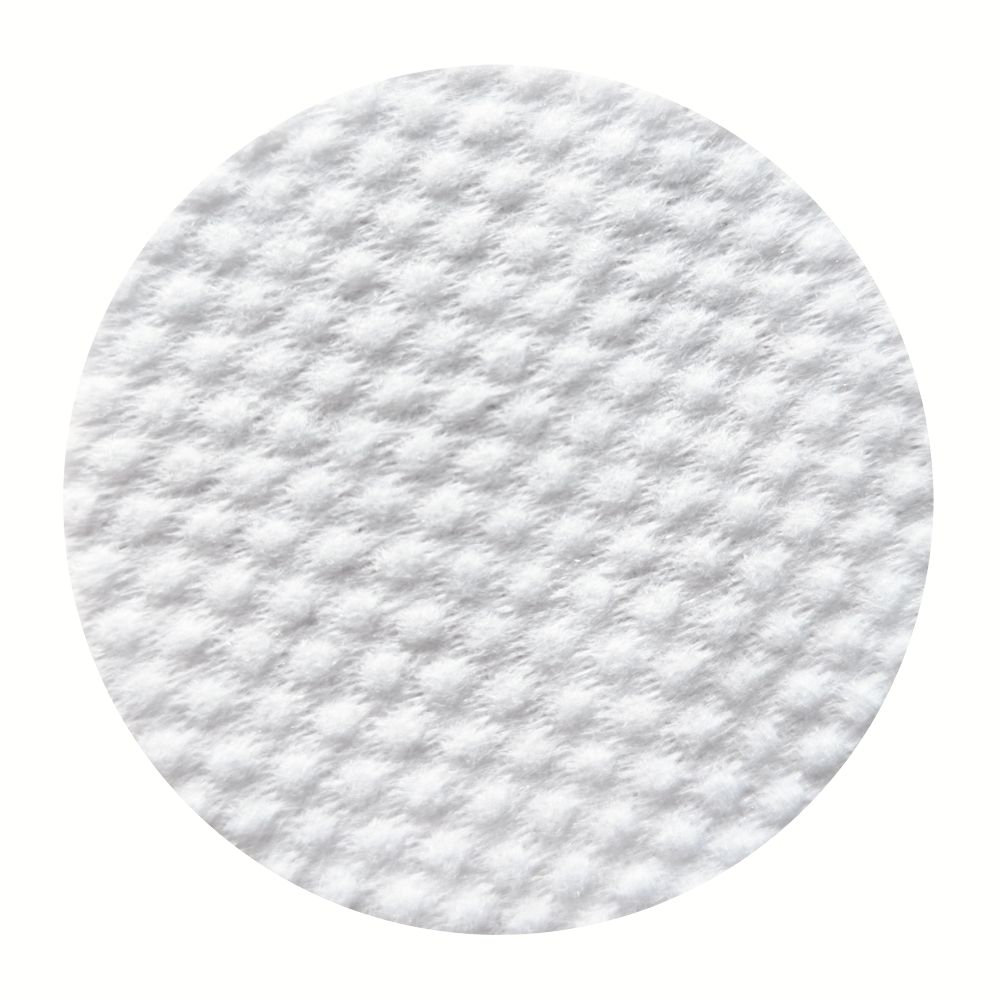
The unique thing about organic cotton is those tiny hollow cores inside each fiber. These little air pockets let fresh air flow through continuously while still keeping particles out. Synthetic materials tell a different story altogether. They tend to be really tight woven stuff that just traps all the heat and makes breathing harder. People who need to wear masks for hours on end, like nurses at hospitals or teachers in classrooms, find this difference makes a world of impact. No more that uncomfortable hot feeling building up inside the mask, so they can actually tolerate wearing them all day long without getting frustrated.
Managing moisture matters just as much. Research shows organic cotton pulls sweat away about 30 percent quicker than regular cotton, based on those textile performance studies everyone keeps citing. The way it works? The fabric actually moves dampness off the face area, which means less sticky feelings and people are more likely to keep wearing it without complaints. When paired with GOTS certification that bans those harsh chemical stiffeners and fake softening agents, all these natural qualities mean better long term comfort, good airflow, and skin friendly contact even after multiple washes and wears.
Proven Environmental and Lifecycle Advantages
From Farm to Face: Zero Synthetic Pesticides, 91% Less Water vs. Conventional Cotton, and Full Biodegradability
Studies looking at product lifecycles show that organic cotton face masks bring significant environmental advantages throughout their whole journey from farm to landfill. When grown organically, farmers skip synthetic pesticides and fertilizers which helps keep soils healthy, supports local wildlife, and improves working conditions for those growing the cotton. The water savings are impressive too – around 91 percent less compared to regular cotton farming according to Textile Exchange research from last year. Processing follows strict guidelines under GOTS certification, meaning fewer harmful chemicals end up in wastewater streams. What happens after we're done using them matters just as much. Organic cotton masks will break down naturally in compost bins within a few months, whereas most disposable masks made from plastic materials can stick around for hundreds of years and release tiny plastic particles into our environment. Looking at how these products move through our lives and then back into nature makes organic cotton stand out as probably the best choice for anyone wanting to wear something both protective and planet friendly.
Long-Term Value: Reusability, Cost Savings, and Consistent Protection
Organic cotton face masks that can be reused offer real value for money, help protect the planet, and just plain work better over time. Let's talk numbers first. Families who switch to reusable masks instead of buying disposables could save around $300 a year according to research published in BMJ Open back in 2020. The good stuff matters too. Quality GOTS certified organic cotton holds up after dozens of washes in the machine. We're talking about at least 50 cycles before there's noticeable wear on how well it fits, filters particles, or lets air pass through comfortably. That means these masks last way longer than their throwaway counterparts. From an environmental standpoint, every reusable mask keeps roughly 200 single-use masks out of landfills or away from being burned. Proper washing is key though. Masks made with multiple layers and proper certification maintain their filtering power even after many uses. They provide dependable protection against germs while still feeling gentle on sensitive skin and allowing enough airflow so people actually want to wear them day after day.

 EN
EN


 Hot News