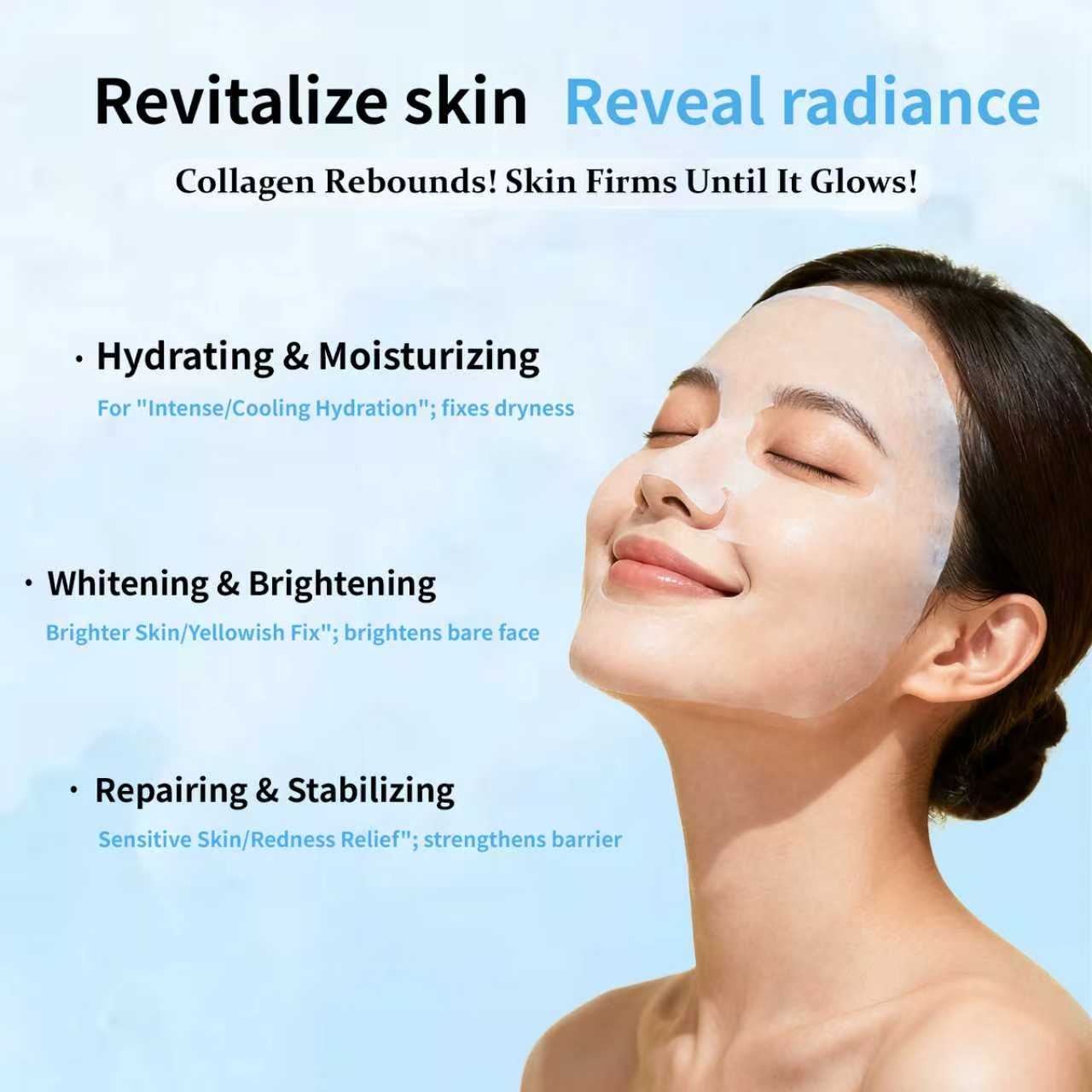
Performance Advantages of Organic Cotton Face Mask
Breathability and Filtration Balance: What Independent Lab Testing Shows
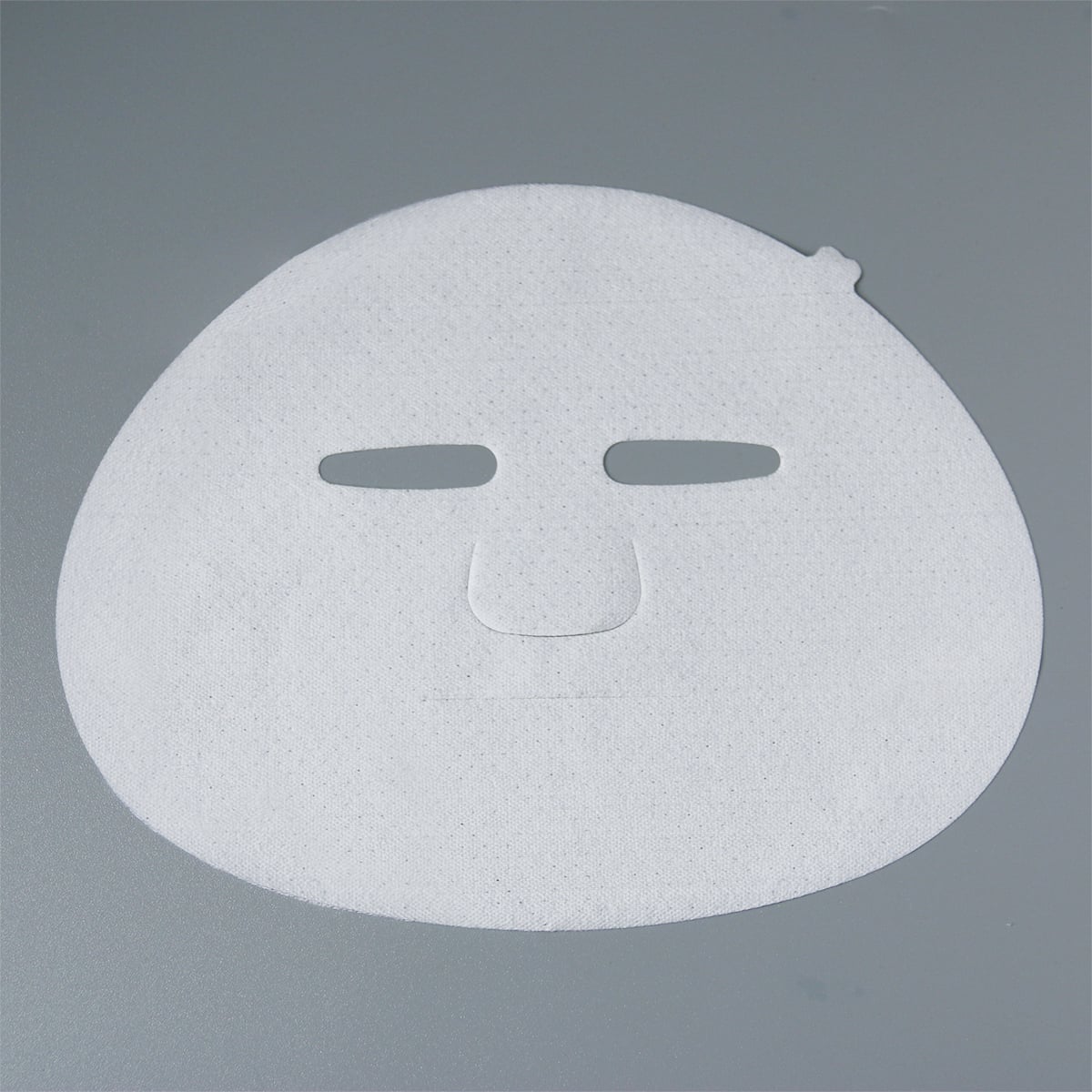
Lab tests have shown that organic cotton face masks strike a pretty good balance between protection and comfort, blocking around 85% of those pesky airborne particles while still letting air flow through easily. The way these natural fibers are structured creates tiny channels that keep air moving consistently without messing up the filtration effectiveness. Synthetic masks work differently by relying on static electricity to trap particles, but this effect wears off when they get wet or after multiple washes. Cotton masks just keep performing wash after wash, which makes them great for people who need to wear them all day long in places like schools, office buildings, or anywhere else where folks want to stay safe but also comfortable during their daily routines.
Hypoallergenic Benefits for Sensitive Skin: Evidence from Dermatological Studies
Research into dermatology indicates that switching to organic cotton makes a real difference for people with sensitive skin. According to a study published in Clinical Dermatology Review last year, folks who use organic cotton masks experience about two thirds fewer problems than those using regular ones. What makes this possible? Organic cotton is cultivated without those harsh synthetic pesticides and then processed without formaldehyde or those metal-based dyes that can really irritate skin. For anyone dealing with eczema flare-ups, redness from rosacea, or stubborn patches of psoriasis, this matters a lot. The fibers stay soft because they haven't been treated with chemicals, so there's less rubbing against the face that could cause tiny abrasions. This is especially important for individuals whose skin already reacts badly to everyday products.
Moisture Management in Humid Environments: Why Organic Cotton Outperforms Synthetics
When it comes to moisture management, organic cotton really stands out compared to polyester stuff. Cotton can soak up about 30% more water and actually dries around 25% quicker when humidity levels rise, which means sweat gets wicked away faster and evaporates better too. This works wonders for preventing those nasty bacteria from multiplying in areas where we tend to sweat the most, especially around our nose bridges and chins after wearing masks all day. Synthetic materials tell a different story though they tend to hold onto both heat and dampness right against our skin. That creates basically a perfect environment for acne causing germs to thrive, and studies have found this leads to roughly 34% more breakouts in hot climates or during intense workouts according to Clinical Dermatology Review back in 2023. What makes organic cotton so great is how its natural weave allows air to circulate while still keeping particles out, making it much kinder to our skin over long periods of wear without sacrificing protection.
Organic Cotton Face Mask vs. Common Alternatives
Polyester Masks: Filtration Strengths vs. Microfiber Shedding Risks
Polyester masks can filter out quite a bit initially, sometimes as much as 95% according to lab tests, but there are real problems when we look at what happens over time. Every time these masks get washed, they shed around 700 tiny plastic fibers that end up in our water systems, according to Textile Journal from last year. These particles find their way into ecosystems and eventually might even show up in our food supply. Another issue is that polyester tends to trap both heat and moisture against the face, which makes skin issues like irritation and breakouts worse, particularly where it's already hot and damp outside. Organic cotton just isn't like this at all. Cotton breaks down naturally while polyester depends heavily on oil-based chemicals throughout its life cycle. So even though polyester masks work well for filtering at first, they actually create bigger environmental problems down the road than they solve in the short term.
Silk Masks: Electrostatic Filtration vs. Rapid Durability Decline After Washing
Silk feels really soft against the skin and has these natural static electricity properties that help grab tiny particles down at the sub-micron level, which is great stuff for people with super sensitive skin issues. But there's a catch. The silk fibers are made from proteins and they start breaking down pretty fast. After only about five washes, the ability to filter out those small particles plummets by around 40% because of all the physical wear and chemical exposure during cleaning. Organic cotton tells a different story altogether. Even after 30 regular wash cycles in a washing machine, it still keeps almost 98% of its original filtering power intact. What makes organic cotton stand out? It handles normal laundry routines without falling apart or letting go of microplastics into the water supply. Plus, nobody needs to baby it with special care instructions. For daily wear and tear situations, cotton simply comes out ahead when looking at practicality, environmental impact, and long term reliability factors.
Environmental Impact: The Lifecycle Edge of Organic Cotton Face Mask
Water Use, Pesticide Avoidance, and Carbon Footprint vs. Conventional Cotton and Recycled PET
Face masks made from organic cotton actually do better for the environment at every stage from growing to disposal. When farmers grow organic cotton without extra water, they save around 90% of the fresh water needed for regular cotton that gets irrigated all the time. This helps protect those underground water sources and river systems that are already under strain. No synthetic pesticides means healthier soil life, less poison getting into our waterways through runoff, and safer working conditions for people who grow the cotton. Organic farming cuts down on carbon emissions by about half compared to traditional methods because there's no need for chemical fertilizers, plus the soil itself stores more carbon when it stays healthy and rich.
While recycled PET or rPET masks do help reduce plastic waste from consumers, there are some real downsides worth considering. The process of recycling these materials actually requires quite a bit of energy, which can negate many of the carbon savings we hoped for. Plus, every time someone washes an rPET mask, tiny bits of plastic called microplastics get released into the environment. That's not something we see with organic cotton masks though. These natural fabric options break down much faster, usually within just a few months. Studies looking at the entire life cycle of different materials keep finding that organic cotton performs better when it comes to avoiding toxic chemicals, managing water resources responsibly, and what happens at the end of the product's life. For anyone serious about sustainability, this makes organic cotton the clear winner among textile choices for making face masks.

 EN
EN
 Hot News